
Last updated October 16, 2026
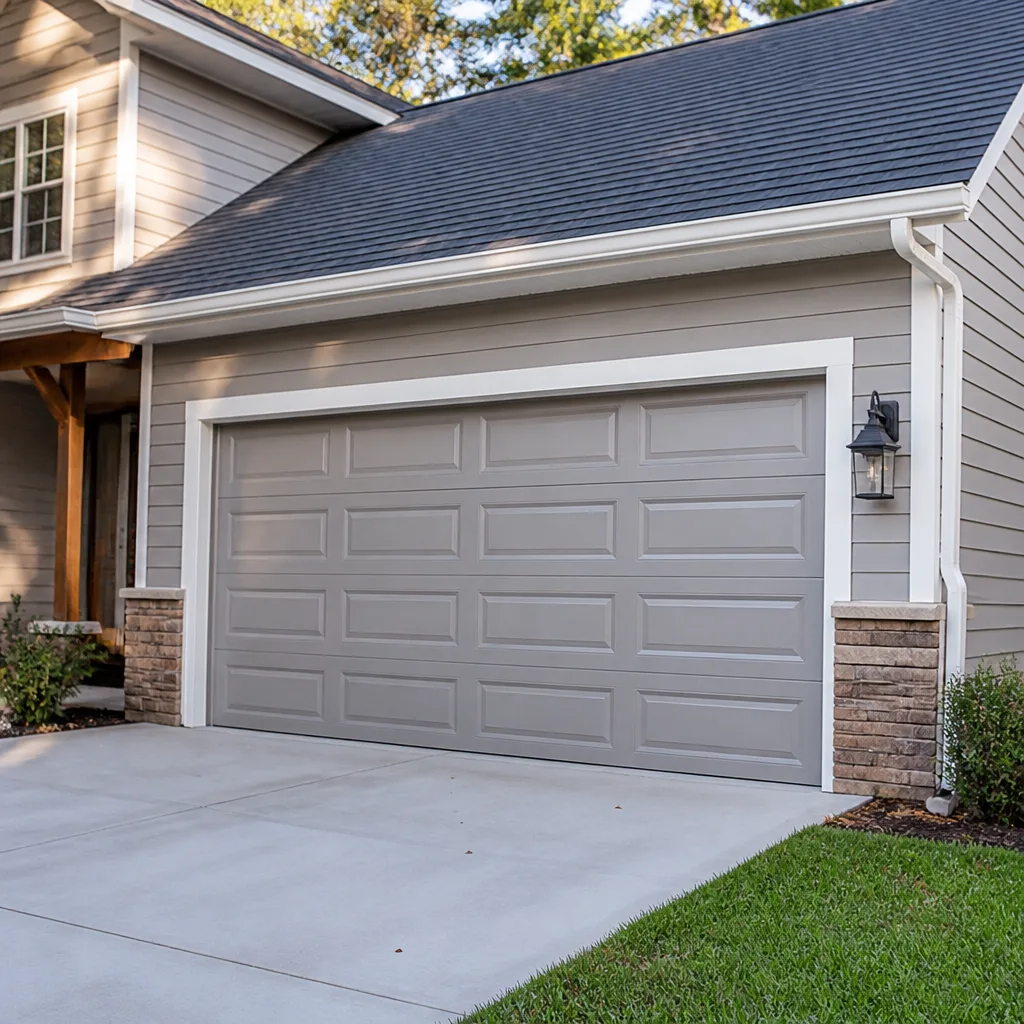 Raised-panel steel
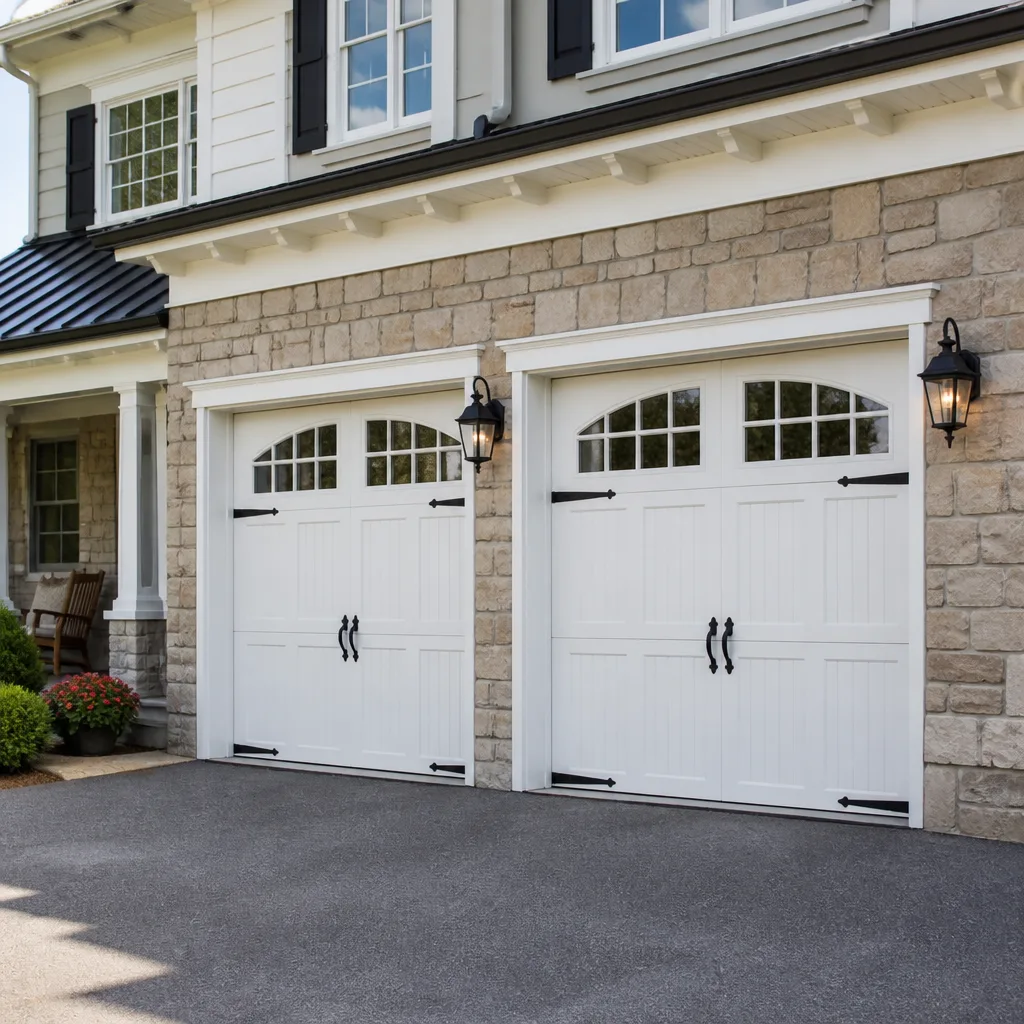 Carriage house
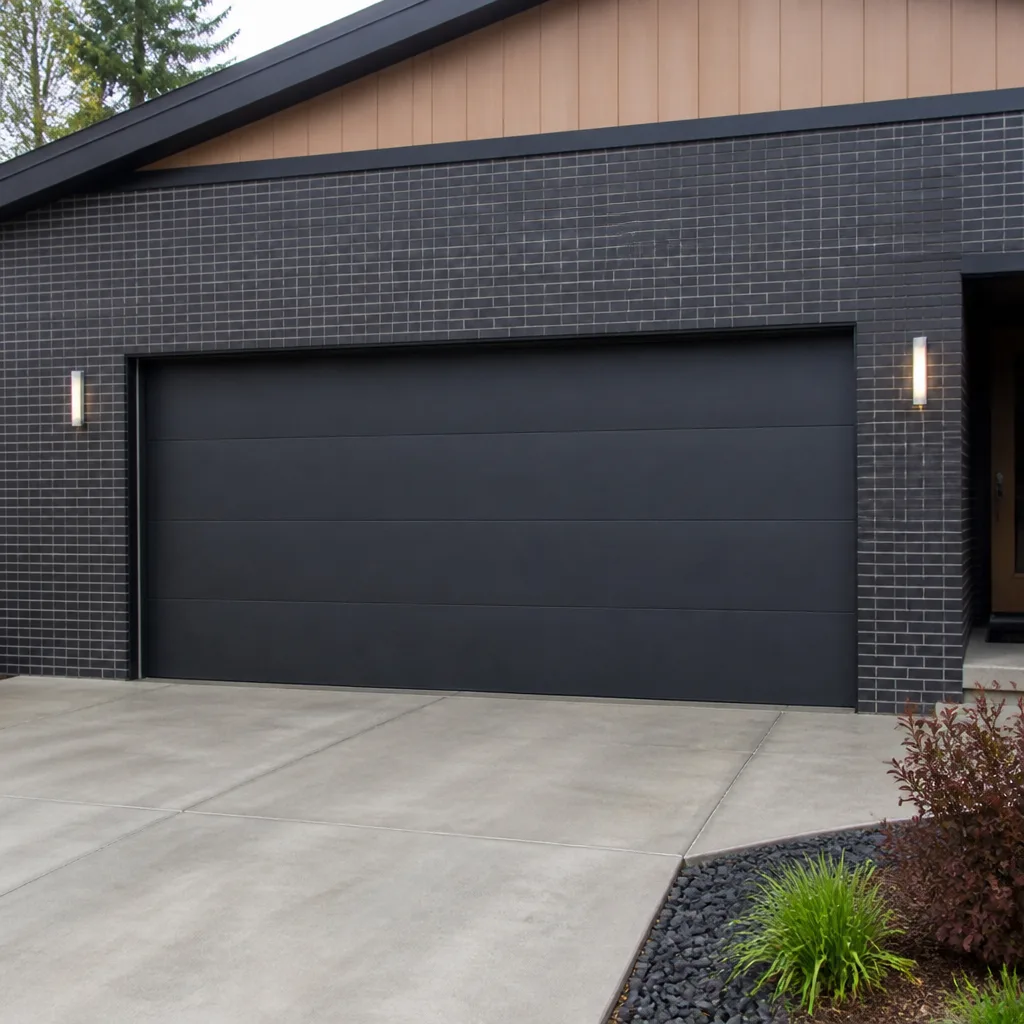 Modern flush
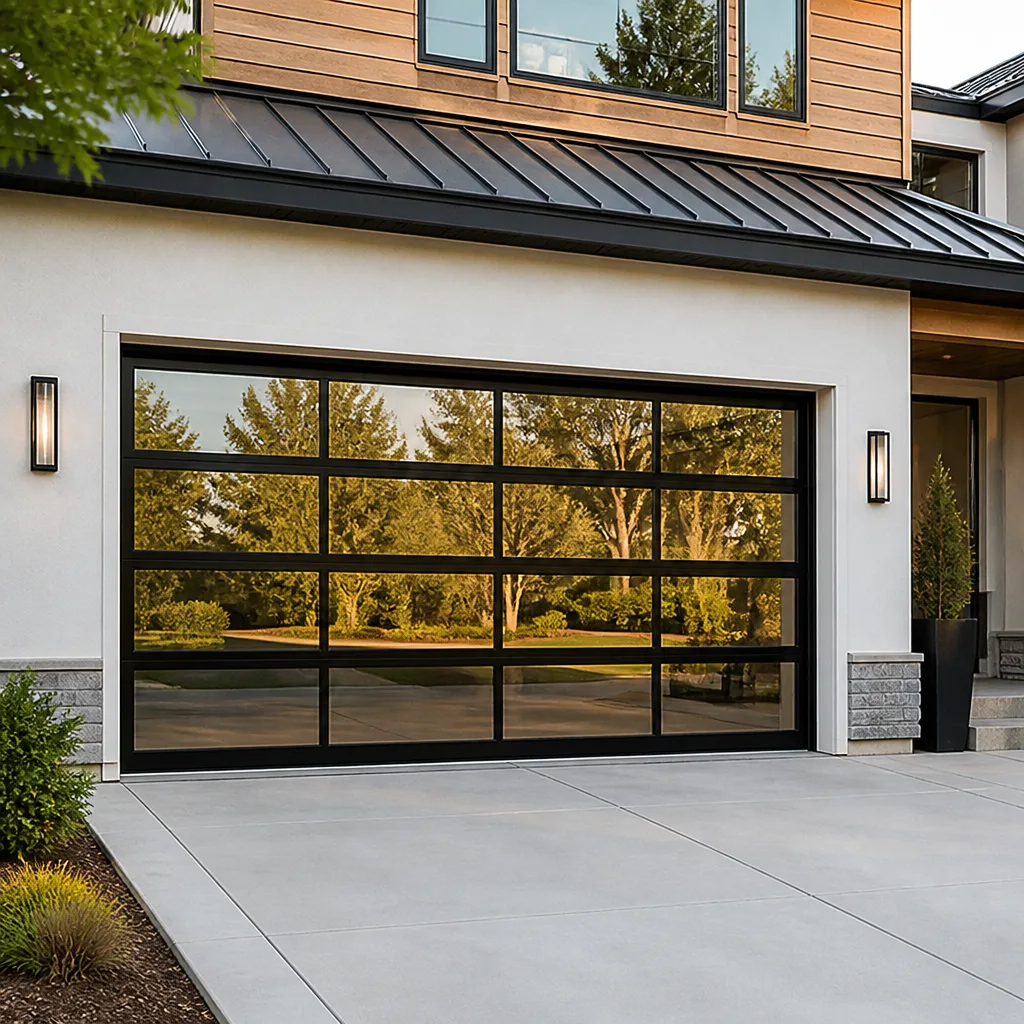 Full-view glass
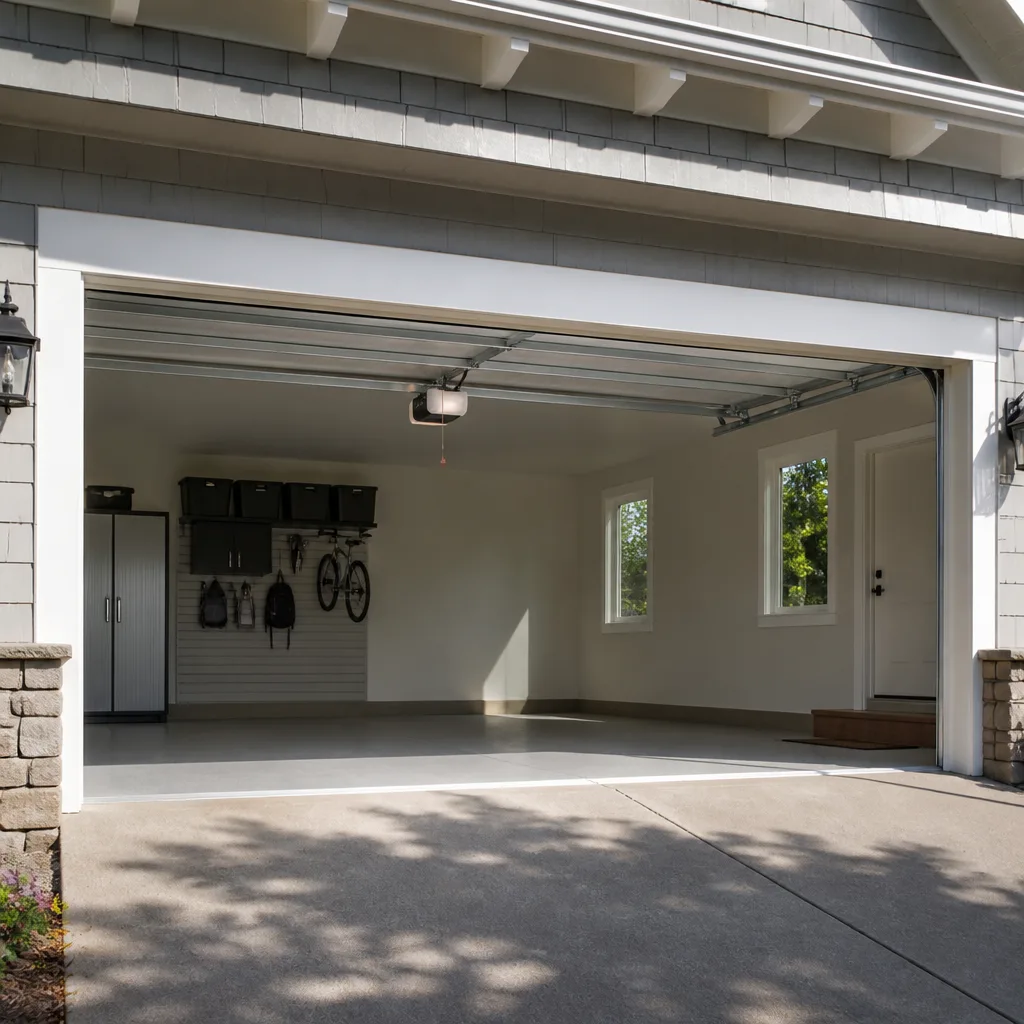 LiftMaster openers
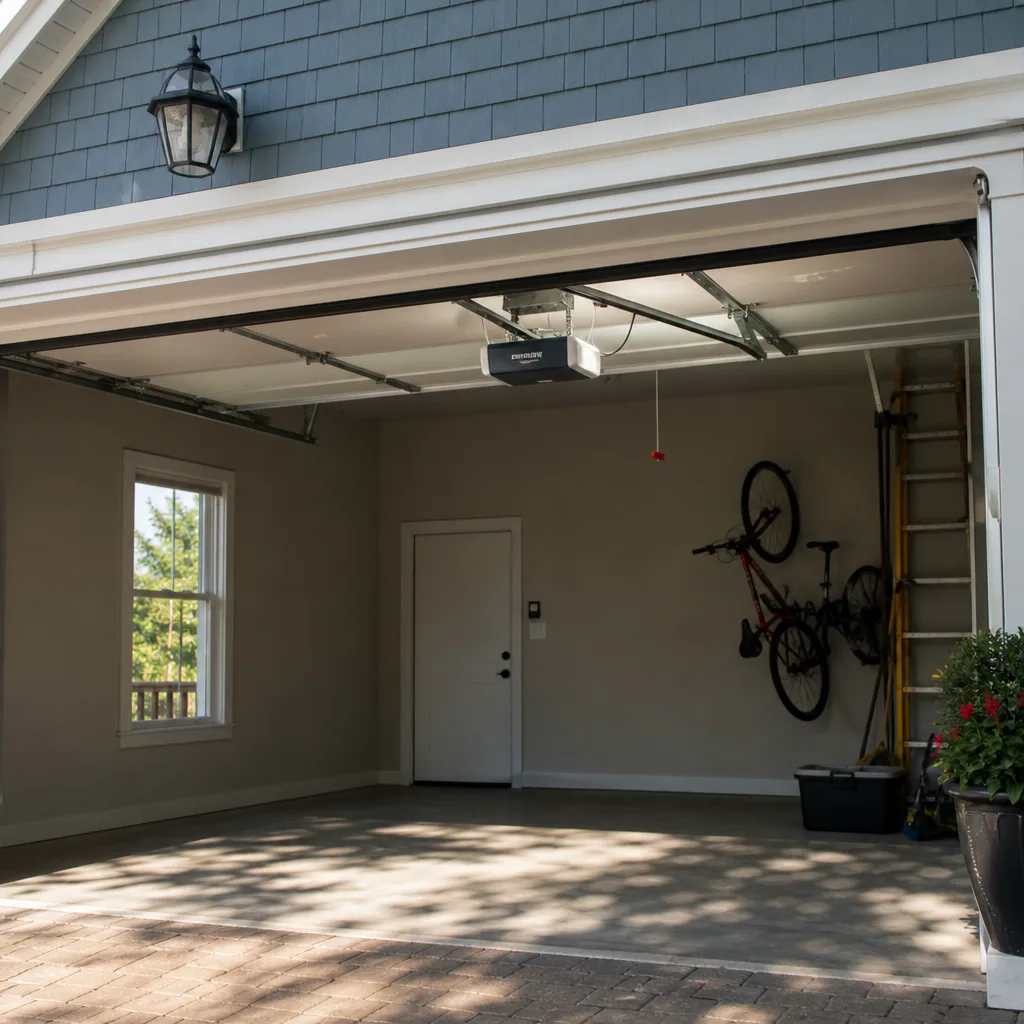 Chamberlain openers
Full 25-point door and opener safety check with every visit - springs, cables, rollers, tracks, and your LiftMaster or Chamberlain opener included
You get a price before we start. It does not change when the truck arrives.
Get your free estimateGarage Door Permits, Codes & Inspections in FL: What You Need to Know
Florida issues more garage door permits than most states, but Miami-Dade County is its own animal. A garage door replaced without a Miami-Dade permit can legally be flagged during a home sale as an unpermitted modification, which means the seller, not the contractor who skipped it, carries the problem. This guide walks through exactly when a permit is required in Miami, what the inspection covers, what a High-Velocity Hurricane Zone adds to the equation, and the contract language that shifts permit responsibility where it belongs: onto the contractor. For Garage Door Warning Signs: A Miami Homeowner’s Reference Guide, see our dedicated post. Read it before you sign anything.
Quick Answer
A garage door replacement in Miami-Dade County almost always requires a permit when the door itself is being replaced, and the permit must be closed with a final inspection before the work is legally complete. Homeowners who let a contractor skip the permit inherit the fines, the failed home sale, and the insurance complications personally; the contractor drives away clean. The fix is simple: put permit responsibility in writing in the contract, and confirm the permit number and final inspection before you pay the final invoice.
Styles & brands we work with
Table of Contents
- When a Permit Is Required in Miami-Dade (and When It Isn’t)
- How the High-Velocity Hurricane Zone Changes Everything
- The Inspection Process, Step by Step
- Contract Language That Protects the Homeowner
- What Happens When a Permit Is Never Closed
- What Permits and Inspections Cost in Miami
- Common Mistakes to Avoid
- When to Call a Professional
- Frequently Asked Questions
When a Permit Is Required in Miami-Dade (and When It Isn’t)
In Miami-Dade County, the rule that governs most garage door work is straightforward once you know where to look. A permit is required any time a garage door is replaced, not repaired. That distinction matters because some contractors blur it. Replacing a door means removing the old door and installing a new one in its place, even if the new door is the same size, same material, and same brand. Repair means replacing a part: a spring, a cable, a roller, a panel, an opener. Panels are gray territory; replacing one or two panels on an existing door is usually treated as repair, but replacing so many panels that effectively a new door is created is replacement, and that triggers the permit requirement.
Here is the framework we use with homeowners across Miami:
- Garage door replacement (new door, same opening): Permit required. No exceptions in Miami-Dade for a full door swap, even if the opening size doesn’t change.
- Garage door repair (springs, cables, rollers, hinges, tracks): No permit required. This is maintenance and repair work on an existing, permitted door.
- Garage door opener replacement: Permit required in most Miami-Dade municipalities when the opener is hardwired into the electrical system. A plug-in opener swap may not require one, but most modern openers are hardwired, so assume yes.
- New garage door opening (cutting a new hole or widening an existing one): Permit required, plus structural and possibly engineering review. This is a construction project, not a door project.
- Like-for-like replacement: Still permit-required in Miami-Dade. This is the one contractors get wrong most often.
The “like-for-like” myth persists because it exists in some Florida counties. A contractor who works from Palm Beach or Broward and picks up a Miami job may genuinely believe that swapping an old door for an identical new one needs no permit. That is true in some places and false in Miami-Dade. The county treats replacement as an alteration to the building envelope, and the building envelope is protected by the Florida Building Code and the Miami-Dade County Code. If your contractor tells you no permit is needed for a like-for-like replacement in Miami, get a second opinion.
For perspective: the main service pages on Garage Door Repair in Miami make the repair-or-replace distinction clear because it affects so much more than the parts list. It affects whether your project is legal.
How the High-Velocity Hurricane Zone Changes Everything
Miami-Dade County sits entirely within Florida’s High-Velocity Hurricane Zone, or HVHZ. The HVHZ designation is a layer of the Florida Building Code that applies only to Miami-Dade and Broward counties. It exists because those two counties face the highest wind speeds and the most direct hurricane exposure in the state. For garage doors, that designation is everything.
A garage door in the HVHZ is not just a door. It is a structural component of the house. The code treats it as part of the wind-load resistance system, because a garage door that fails under hurricane pressure turns the garage into a wind funnel and can lift the roof off the house. That is not an exaggeration; it is the reason the code exists.
What the HVHZ adds, in practical terms:
- Wind-load rating: Every garage door installed in Miami-Dade must be rated for the specific wind zone of the property. A door rated for inland Florida is not automatically legal in Miami. The door must carry a Miami-Dade Notice of Acceptance (NOA) or a Florida Product Approval that covers the HVHZ.
- Product approval paperwork: The NOA number must appear on the permit application. If the door does not have one, the permit application is rejected. This is where a lot of cheap doors die; they simply don’t carry the Miami-Dade product approval, so they can’t be installed legally here.
- Impact resistance: Not every Miami-Dade garage door must be impact-rated, but many must be, depending on the property’s wind zone and whether the door is part of the primary structural system. Impact-rated doors are significantly more expensive, and that cost shows up on the front-end estimate, not as a surprise later. Amarr and Wayne Dalton both manufacture HVHZ-rated lines with valid Miami-Dade NOAs, and we install them regularly.
- Inspection rigor: HVHZ inspections are not drive-by. The inspector verifies the door’s product approval sticker, the attachment method, the reinforcement, and the wind-load hardware. The inspection is document-heavy, which is why the permit process matters.
A contractor who says “this is standard everywhere” has never done permitted work in Miami-Dade. Miami is the strictest garage door code environment in the state, and it is not close. The HVHZ is the reason.
The Inspection Process, Step by Step
Once the permit is pulled, the inspection is not optional. It is the event that closes the permit and makes the work legal. Here is the exact sequence, from our experience running permitted replacement jobs throughout Miami:
- Permit application: The contractor or homeowner submits the application to Miami-Dade County’s Building Department, including the product approval documentation, a site plan, and the scope of work. For HVHZ doors, the NOA number is required at this stage.
- Permit issuance: The permit is issued with a permit number. This number is public record and can be verified online. A legitimate contractor gives you this number before any work starts.
- Installation: The door is installed to the product approval specifications. The installer must attach the product approval sticker to the door or track assembly. This sticker is proof the right door went in.
- Inspection request: After installation, the contractor or homeowner calls in the inspection request. The request is logged, and the inspector is assigned. Turnaround in Miami-Dade is typically one to three business days.
- Field inspection: The inspector visits the site and checks the door against the approved plans. The inspector verifies the NOA number, the wind-load hardware, the attachment method, the balance, the safety sensors, and the overall installation quality. If the door fails, the inspector issues a correction notice, and the contractor must return to fix the issue and schedule a re-inspection.
- Final approval: Once the inspector signs off, the permit is closed, and the homeowner receives a copy of the final approval. This document is the proof of compliance. Keep it. It is the document you will need if you refinance, sell, or file an insurance claim.
What you receive at the end is not a receipt. It is a county record that says the door on your garage was installed to the code in effect at the time. That record is part of your property’s permanent file. If the door was repaired or replaced by us, the same standard applies: a written recap of the work, part numbers, and the Brock Garage Doors Miami home service record is yours to keep.
Contract Language That Protects the Homeowner
A permit dispute is won or lost at the moment the contract is written. The language is not complicated, and any contractor who bristles at it is telling you something useful. Here is the clause we recommend our clients add to any garage door replacement contract in Florida, and especially in Miami-Dade:
“Contractor is responsible for obtaining all required permits, scheduling and passing all required inspections, and delivering to Homeowner a copy of the final, closed permit approval prior to final payment. Any fines, fees, or correction costs arising from Contractor’s failure to properly obtain or close permits shall be the sole responsibility of Contractor.”
That is the entire clause. It is four sentences. It does three specific things:
- It names the contractor as the permit party. The permit application carries the contractor’s name and license number, not the homeowner’s.
- It ties closure to payment. Final payment is not due until the permit is closed. This is the leverage that keeps the process honest.
- It assigns consequences. If the contractor skips the permit and the problem surfaces later, the contract says the contractor pays. Without this clause, the homeowner pays by default.
We have walked into too many Miami homes where a previous contractor’s verbal promise to “take care of the permit” evaporated the week after the job. A verbal promise is not a contract term. Put it in writing, or understand that you are self-insuring against a problem you did not create. This is also where the Garrison Standard comes in: the written price before work starts, the written guarantee at the end, and the permit responsibility documented. No verbal notes.
What Happens When a Permit Is Never Closed
An open permit is a cloud on the title. Most homeowners never know they have one until the moment it costs them money. Here is what an open or missing permit actually does, in the three scenarios that hurt most:
When you sell: A buyer’s title search or a buyer’s home inspector will flag the unpermitted garage door. The standard Miami-Dade real estate contract requires the seller to disclose unpermitted work. Once flagged, the seller faces three ugly options: retroactively pull a permit and bring the door to current code (which often means replacing a door that was never compliant), negotiate a price reduction, or lose the buyer. None of these are the contractor’s problem.
When you refinance: Lenders order their own inspection on refinances, and many appraisers now note unpermitted modifications in the report. An unpermitted garage door can stall a refinance until the permit is resolved. In a rising-rate environment, a two-month permit fix can mean the loan terms you locked are gone by the time the door is legal.
When you file an insurance claim: Post-hurricane claims in Miami are investigated hard. If the door that failed during the storm was replaced without a permit, the insurer has grounds to deny the claim for the door and any damage caused by its failure. This is not hypothetical; it is a recurring outcome in HVHZ claims. The insurance company’s argument is simple: the door was never legally installed, so its failure is the homeowner’s unpermitted risk.
The sequence is always the same. The homeowner pays for the door, the homeowner carries the liability, and the contractor is out of the picture. That is why the contract clause in the section above is not optional. It is also why Garage Door Opener Repair in Miami work that involves hardwired openers should be verified as permitted, not assumed.
What Permits and Inspections Cost in Miami
Permit fees in Miami-Dade are calculated on the value of the work. A garage door replacement permit in Miami typically runs between $150 and $450 depending on the scope, the door’s value, and whether the property sits in a special review district. Inspection fees are usually included in the permit fee or billed separately at $75 to $150. The total administrative cost for a permitted residential garage door installation in Miami-Dade usually lands between $225 and $600.
Those are real numbers. They are not hidden fees, and they should appear as a line item on any legitimate quote. Here is the breakdown:
- Permit application and issuance: $150 to $300, based on project valuation
- Inspection fee: $75 to $150, typically included
- Product approval documentation: No direct fee, but the door itself must carry a Miami-Dade NOA, which affects the door cost
- Re-inspection (if needed): $75 to $150, and this is the contractor’s cost if the contract clause above is in place
- Expediting (if needed): $50 to $200, though most jobs do not need it
If a quote comes in suspiciously low and has no permit line item, that is not savings. That is the contractor skipping the permit and handing the liability to you. A door that costs $1,800 installed with a permit is cheaper in the long run than a $1,450 door installed without one, because the $1,450 door carries a five-figure liability tail. Our Garage Door Repair Maintenance Checklist for Miami Homeowners helps you track what keeps that investment sound. Ask for the permit line item. If there isn’t one, ask why.
Common Mistakes to Avoid
- Believing “like-for-like” means no permit. In Miami-Dade, a full door replacement requires a permit even when the new door is identical to the old one. Contractors who repeat this line are either misinformed or avoiding paperwork.
- Accepting a verbal permit promise. “We’ll handle the permit” means nothing unless it is in the contract, tied to final payment, and backed by a permit number you can verify online.
- Paying the final invoice before the permit is closed. Once you pay, the leverage is gone. If the contractor disappears with an open permit, the county comes after you, not them.
- Installing a door without a Miami-Dade NOA. A perfectly good door from another Florida market may be illegal in the HVHZ. If it lacks the Miami-Dade product approval, the inspector will fail it, and the permit will remain open until the door is replaced.
- Treating the garage door as a cosmetic item. In an HVHZ, the door is a structural wind-load element. Underestimating that is how homeowners end up with post-hurricane insurance denials.
- Not keeping the closed-permit document. The final approval is the proof you will need at closing, refinancing, or claim time. Store it with your deed and insurance paperwork.
- Signing a contract with no permit responsibility clause. Without the four-sentence clause from the section above, you are the permit party by default, whether you knew it or not.
When to Call a Professional
A garage door permit is not a homeowner DIY project, and neither is an HVHZ-compliant installation. If you are replacing a door in Miami-Dade, you need a contractor who pulls permits, schedules inspections, and is accountable to the Garrison Standard’s rules: show up in the window, price in writing, do it by the book, leave it clean, stand behind it for a year. We replace doors, openers, and cables throughout Miami, and every permitted job gets a written price before work starts and a 365-day guarantee in writing after it ends. If you are staring at a door that needs replacing and a contractor who says the permit is “no big deal,” call us instead. Brock Garage Doors Miami offers free estimates in Miami – call (850) 403-9654.
Frequently Asked Questions
Yes. A full garage door replacement in Miami-Dade County requires a building permit before the work begins, and the permit must be closed with a final inspection. The permit requirement applies regardless of whether the new door is the same size or style as the old one. Call (850) 403-9654 if you want a replacement quote with the permit line item included.
No, in Miami-Dade you cannot legally replace your own garage door without a permit, and the DIY route carries the same liability as hiring an unlicensed contractor. The door must meet HVHZ wind-load standards and carry a Miami-Dade product approval, and the installation must pass a county inspection. If the door fails later, you are personally responsible for the consequences.
The HVHZ, or High-Velocity Hurricane Zone, is a special wind-load region under the Florida Building Code that covers Miami-Dade and Broward counties. It treats garage doors as structural wind-resistance elements, which means the door must be product-approved for Miami-Dade’s specific wind pressures and inspected after installation. A door without a Miami-Dade NOA is not legal in this market.
A garage door replacement permit in Miami-Dade typically costs between $150 and $450, with inspection fees typically included or adding another $75 to $150. The total administrative cost usually lands between $225 and $600. A reputable contractor shows this as a line item on the written quote; a contractor who omits it is probably not pulling it.
If your garage door was replaced without a permit, the unpermitted modification can surface during a home sale, refinance, or insurance claim and become your problem to fix. The typical resolution involves pulling a retroactive permit, bringing the door to current code, and paying the fines and fees. This can cost thousands and carry no contractor liability unless your contract assigned it.
Either party can technically apply for the permit, but the responsible arrangement is for the contractor to pull it, because the contractor’s name and license go on the application. The contractor should also schedule the inspection and deliver the closed-permit document before final payment. Put that responsibility in writing in the contract, and tie final payment to permit closure.
The Bottom Line
A garage door replacement in Miami-Dade is a code-regulated, permit-required construction project, not a casual swap. The permit exists because the HVHZ treats the door as a structural element that can fail catastrophically in a hurricane. Skipping the permit saves a few hundred dollars on the front end and creates thousands in liability on the back end, always landing on the homeowner. The solution is not complicated: require a written permit line item, require the contractor’s name on the permit application, require the closed-permit document before final payment, and hire a company that runs on written guarantees. If the question is whether the door was installed by the book, the book is the permit. For more guides & resources on protecting your home, visit our blog. And the permit should be closed.
Written by Wade Mercer, Owner at Brock Garage Doors Miami, serving Miami since 2001.
See the difference
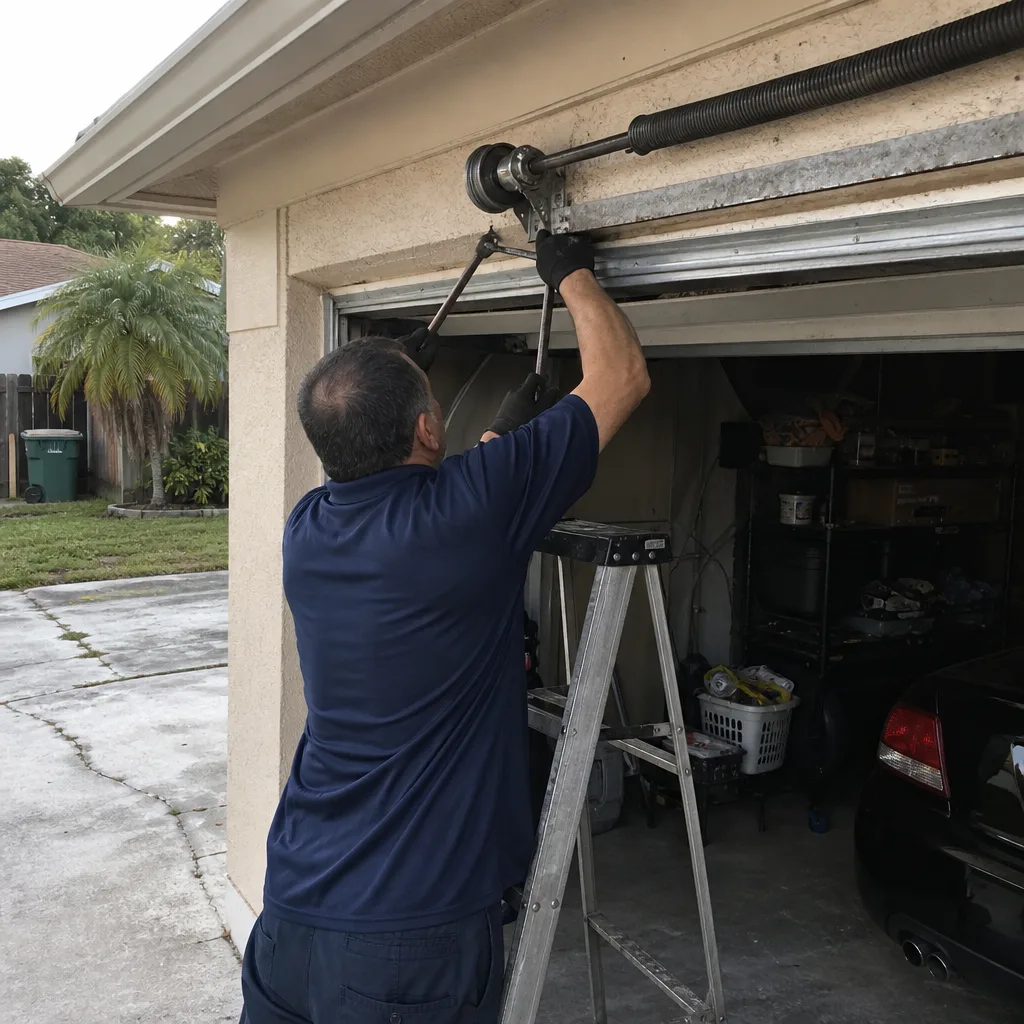 Before
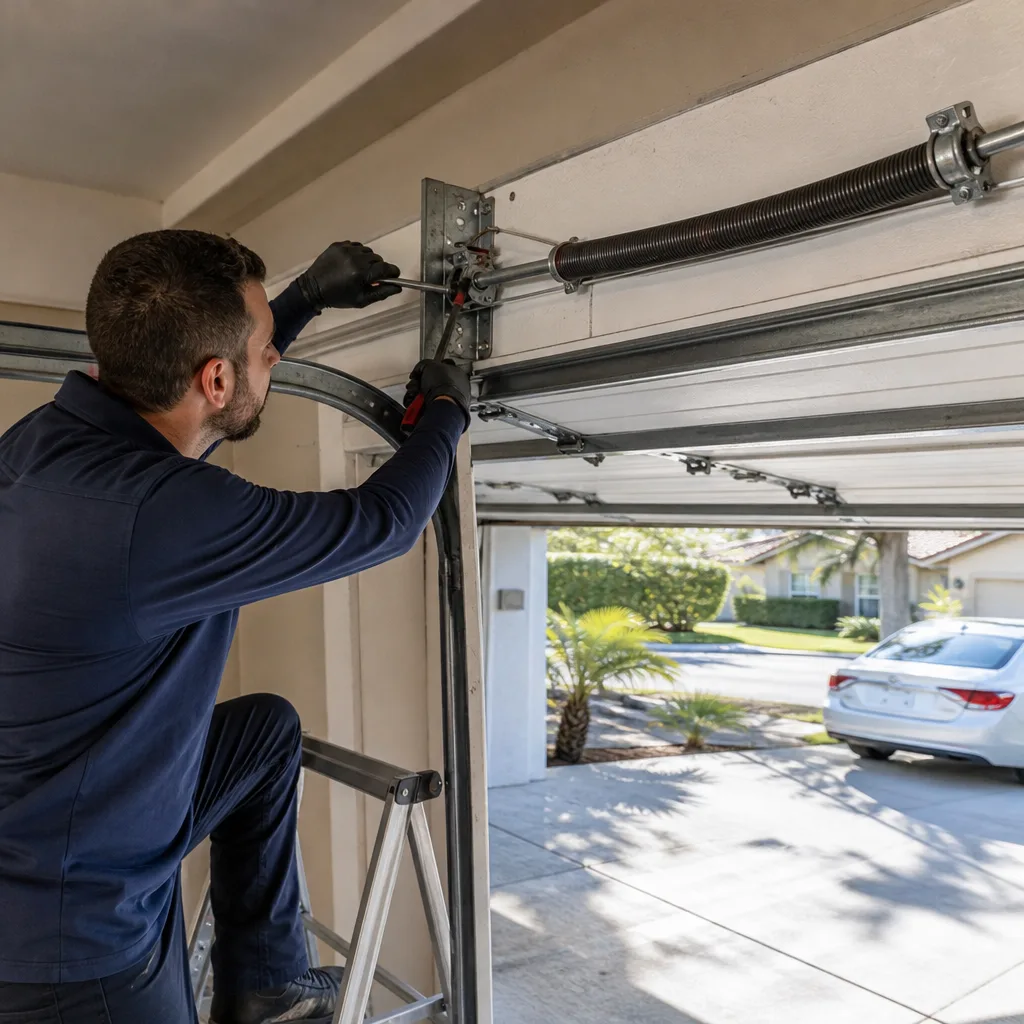 After
After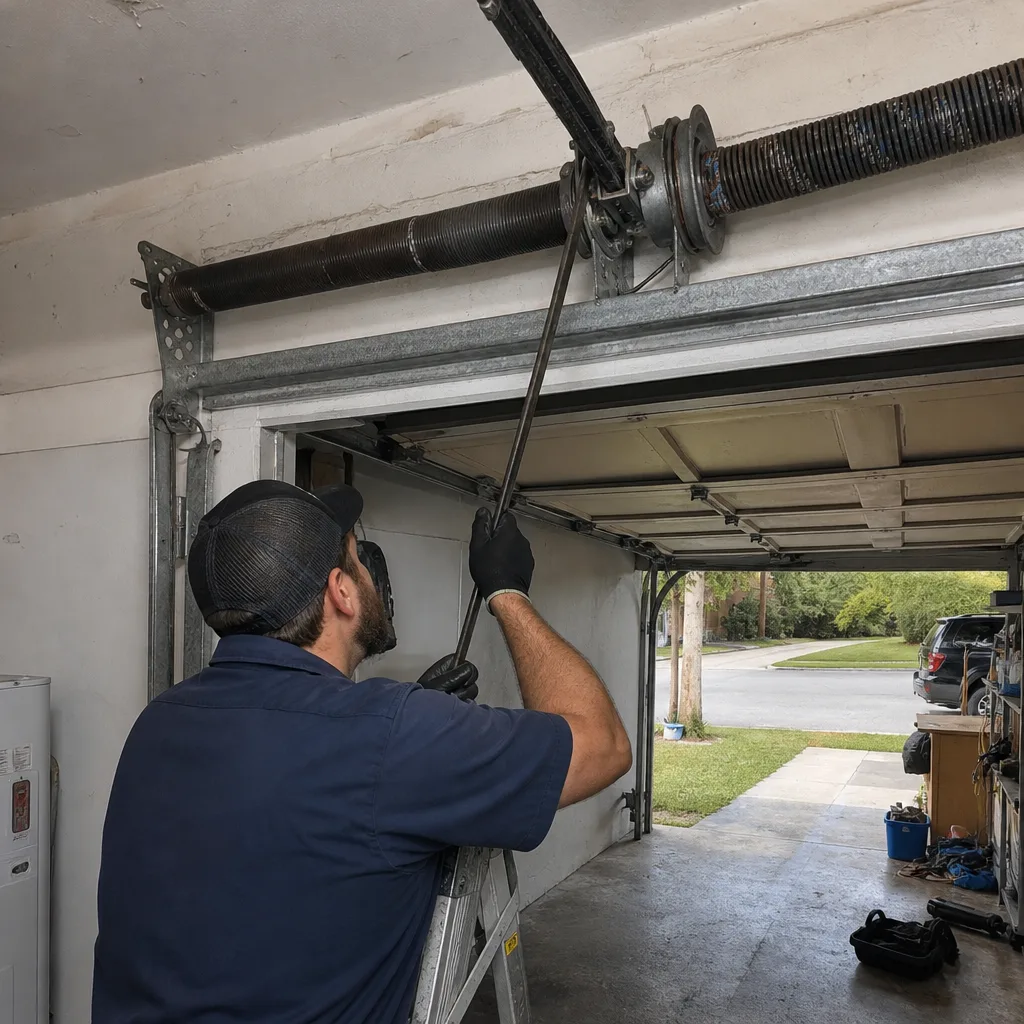 Before
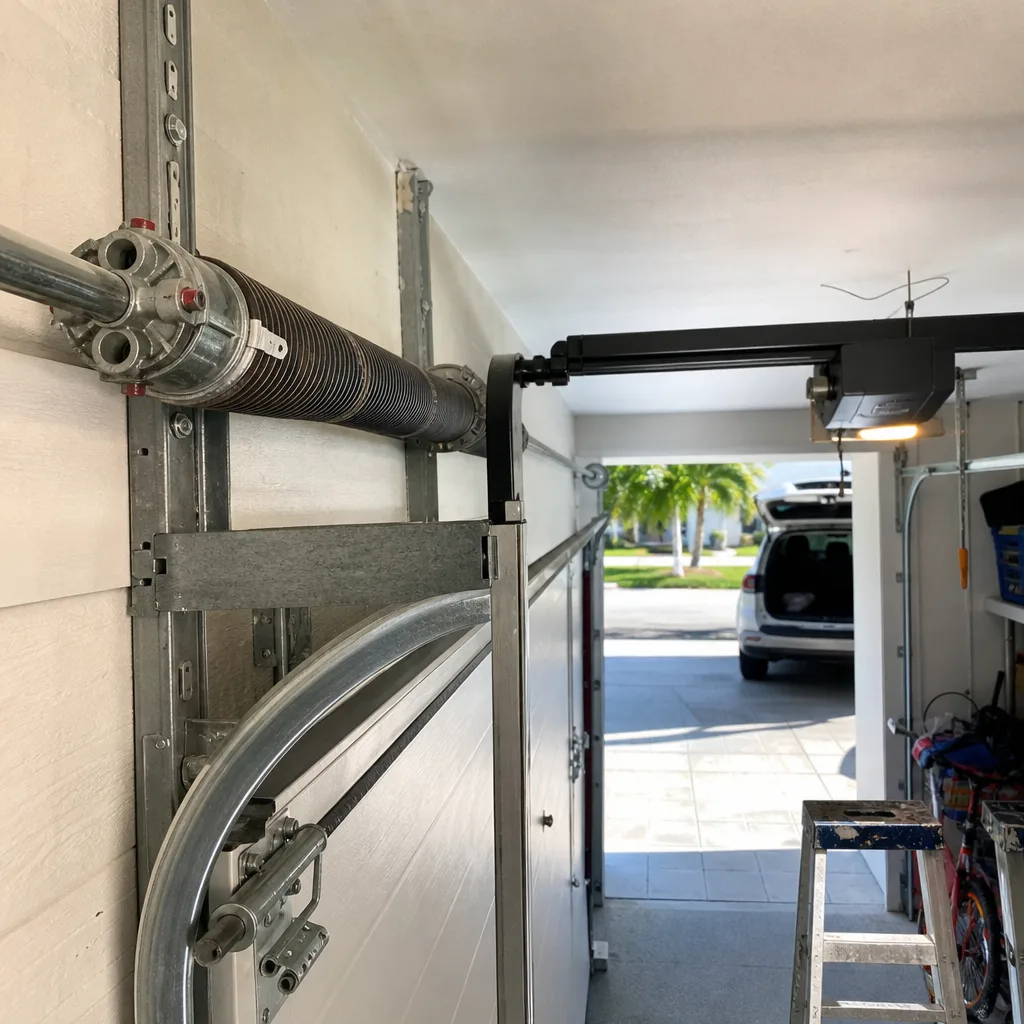 After
After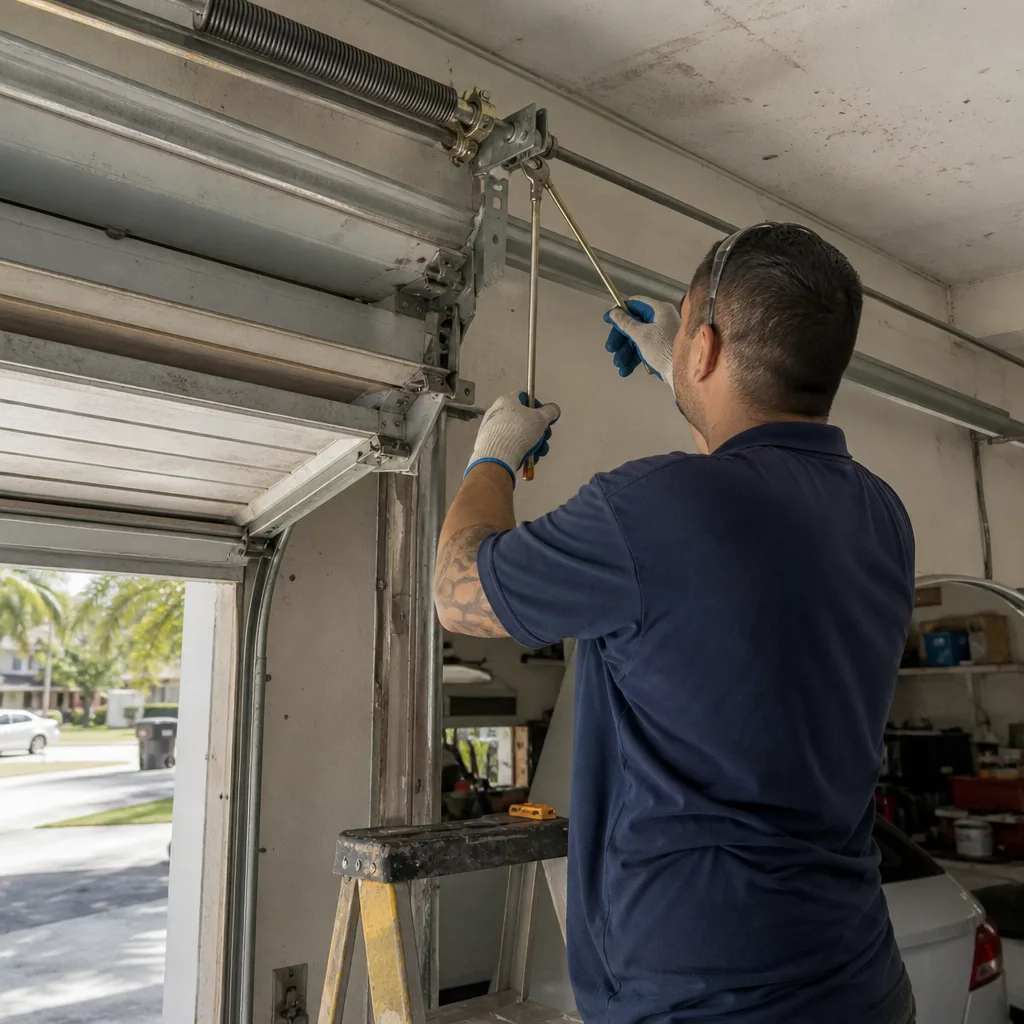 Before
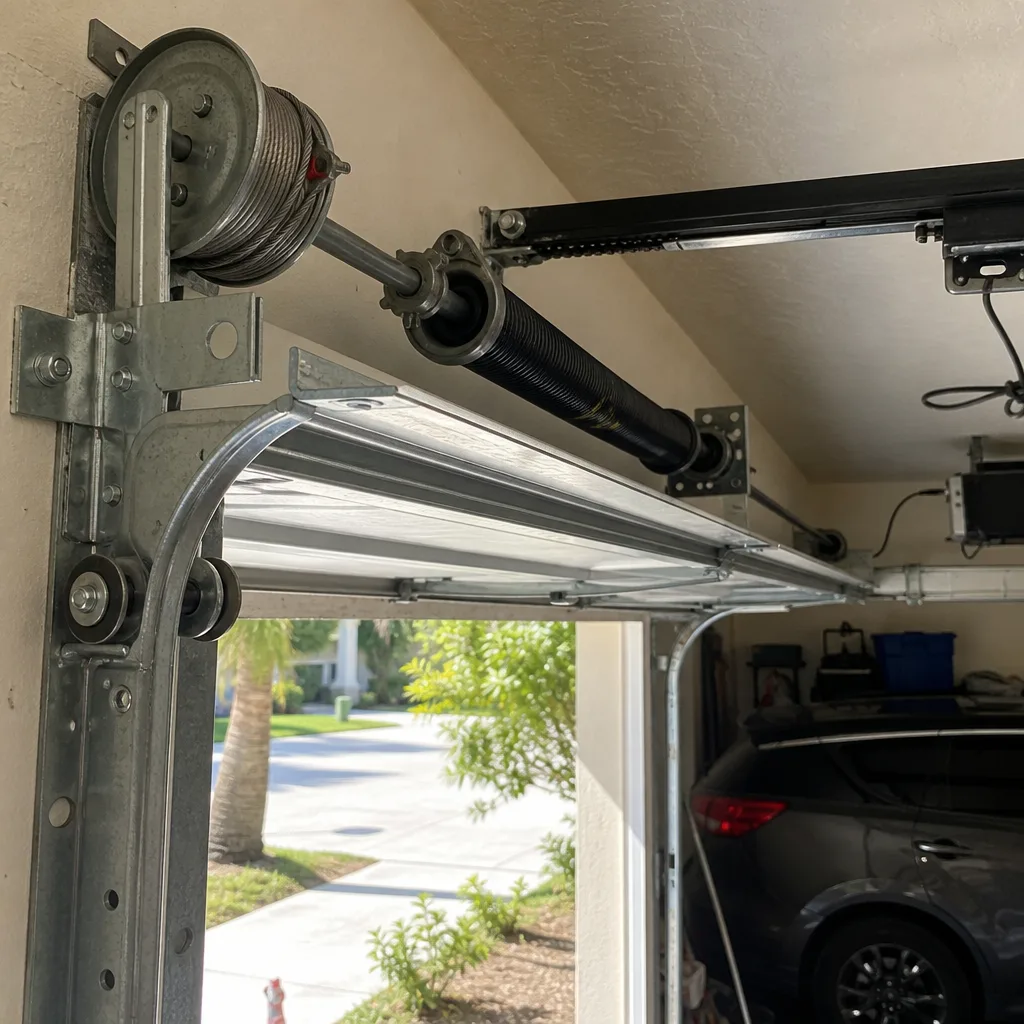 After
After