
Last updated October 16, 2026
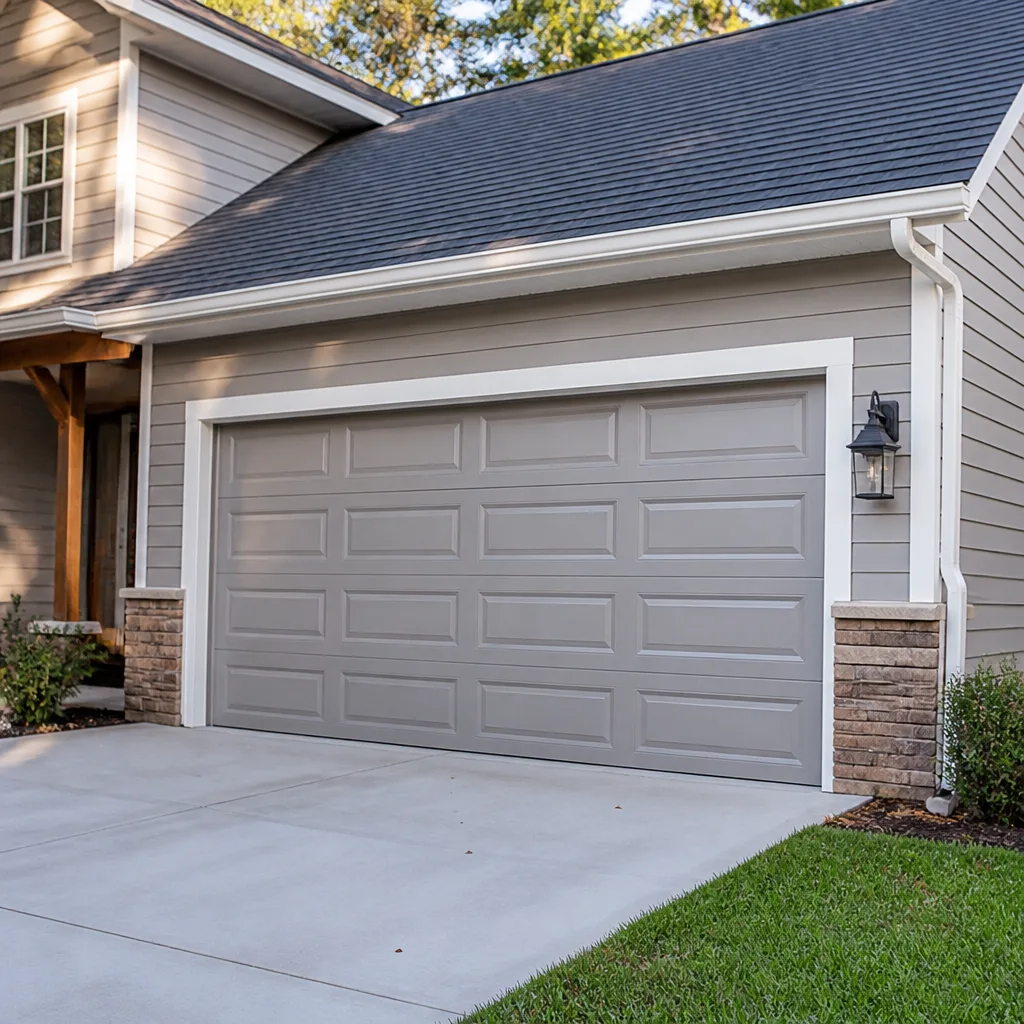 Raised-panel steel
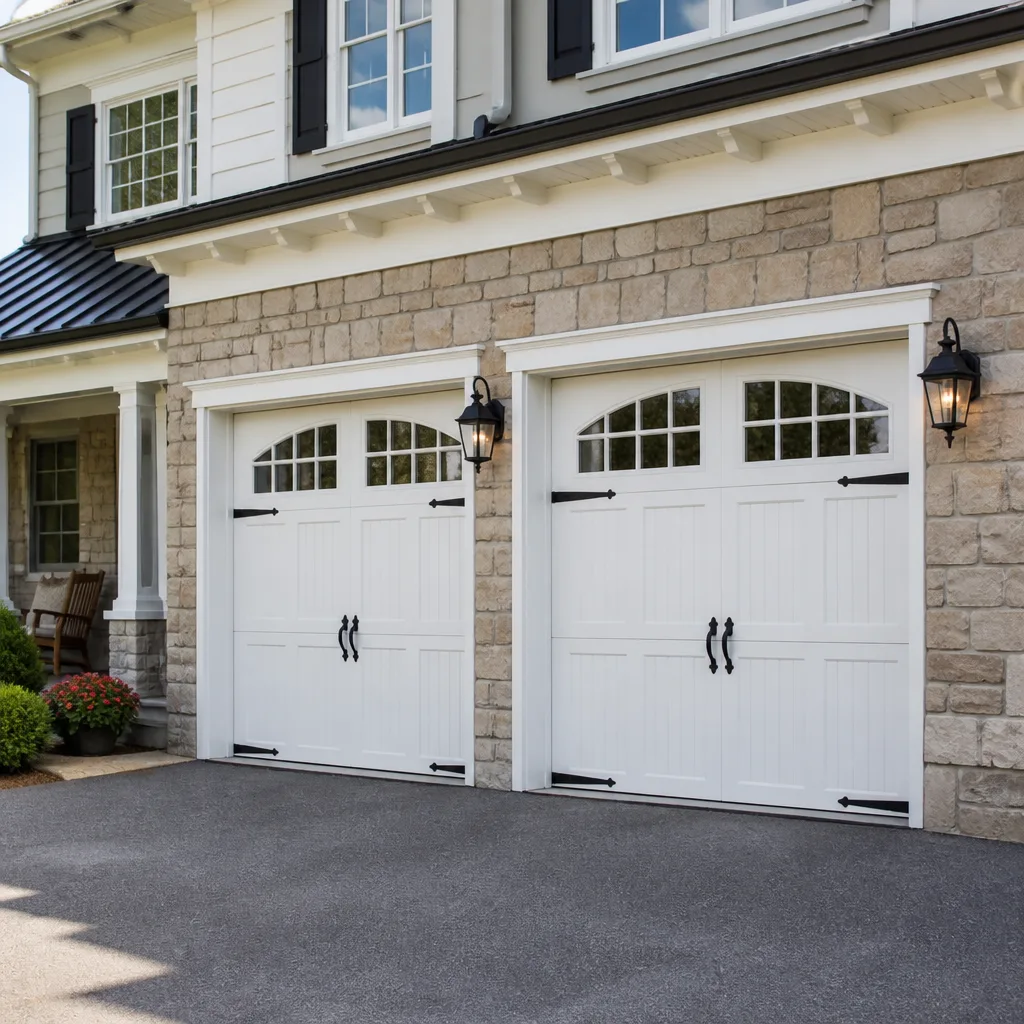 Carriage house
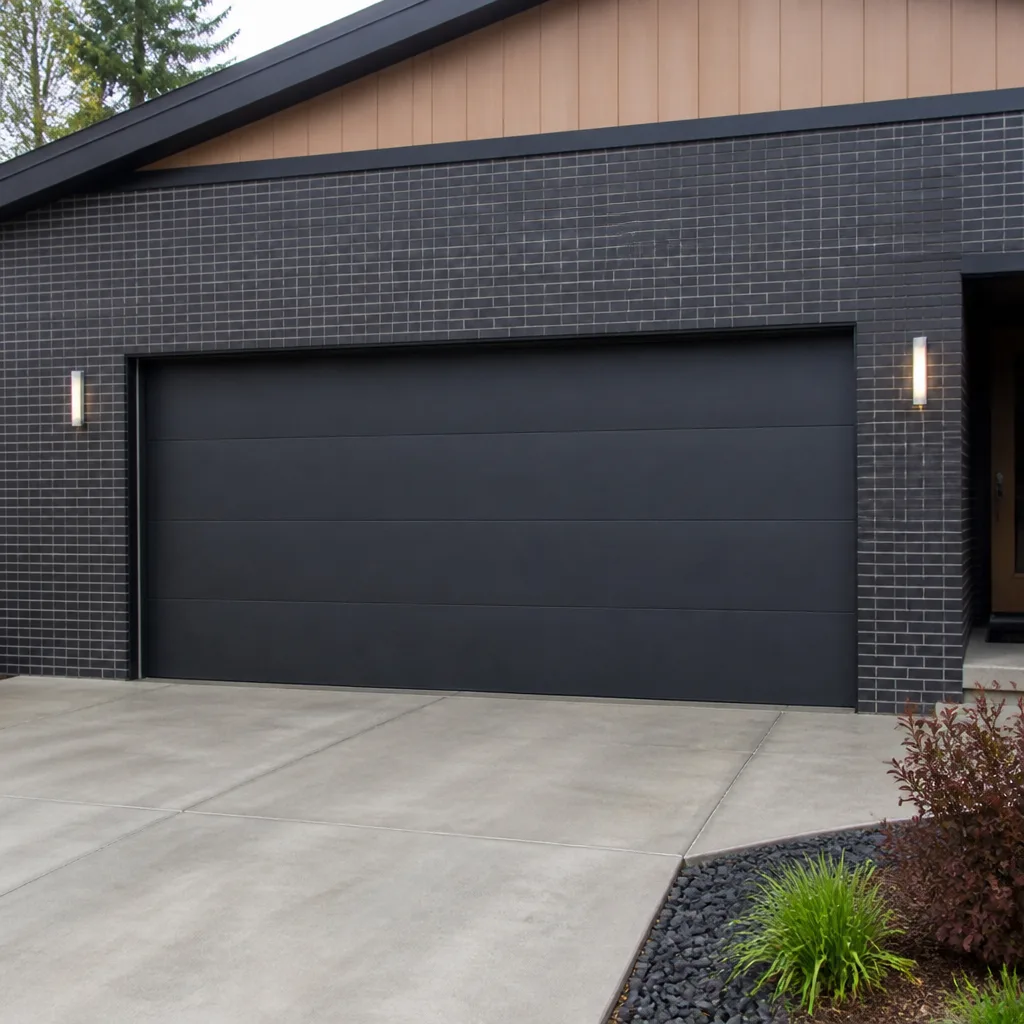 Modern flush
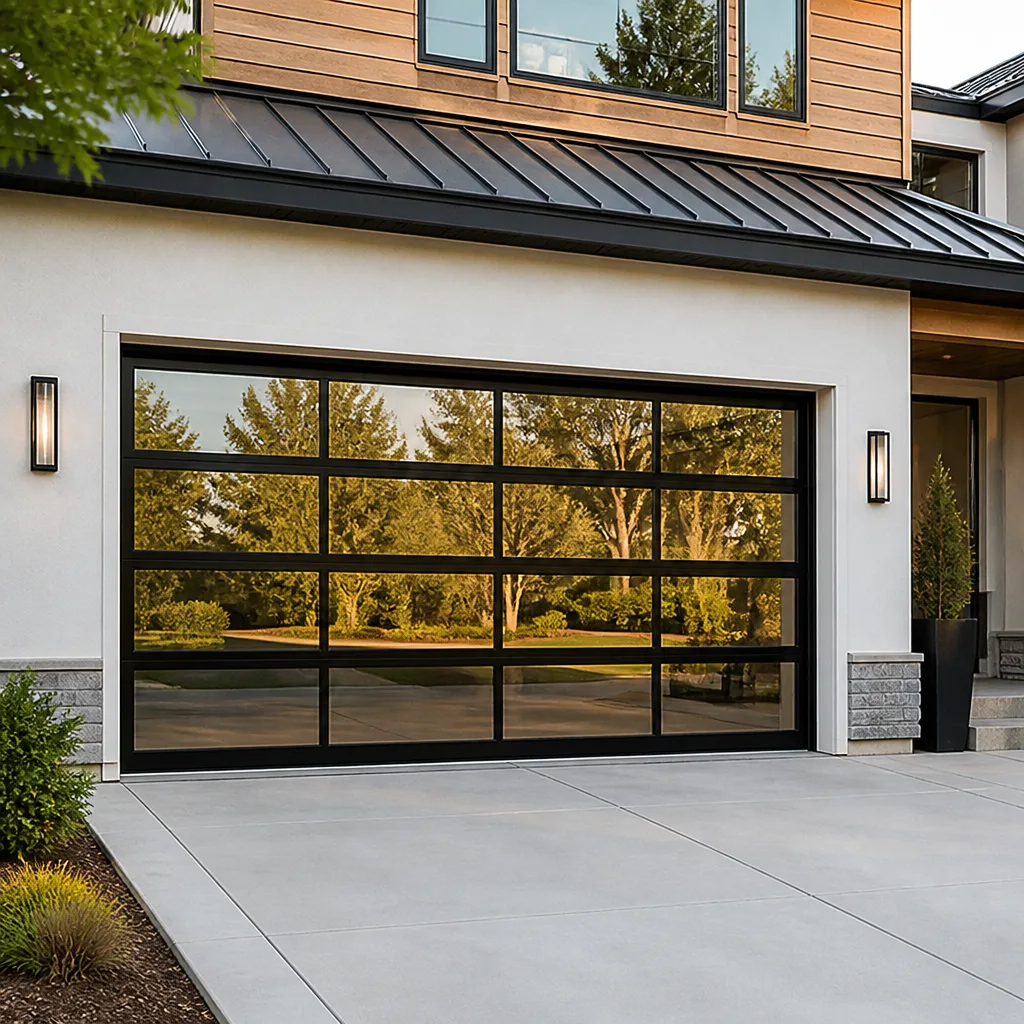 Full-view glass
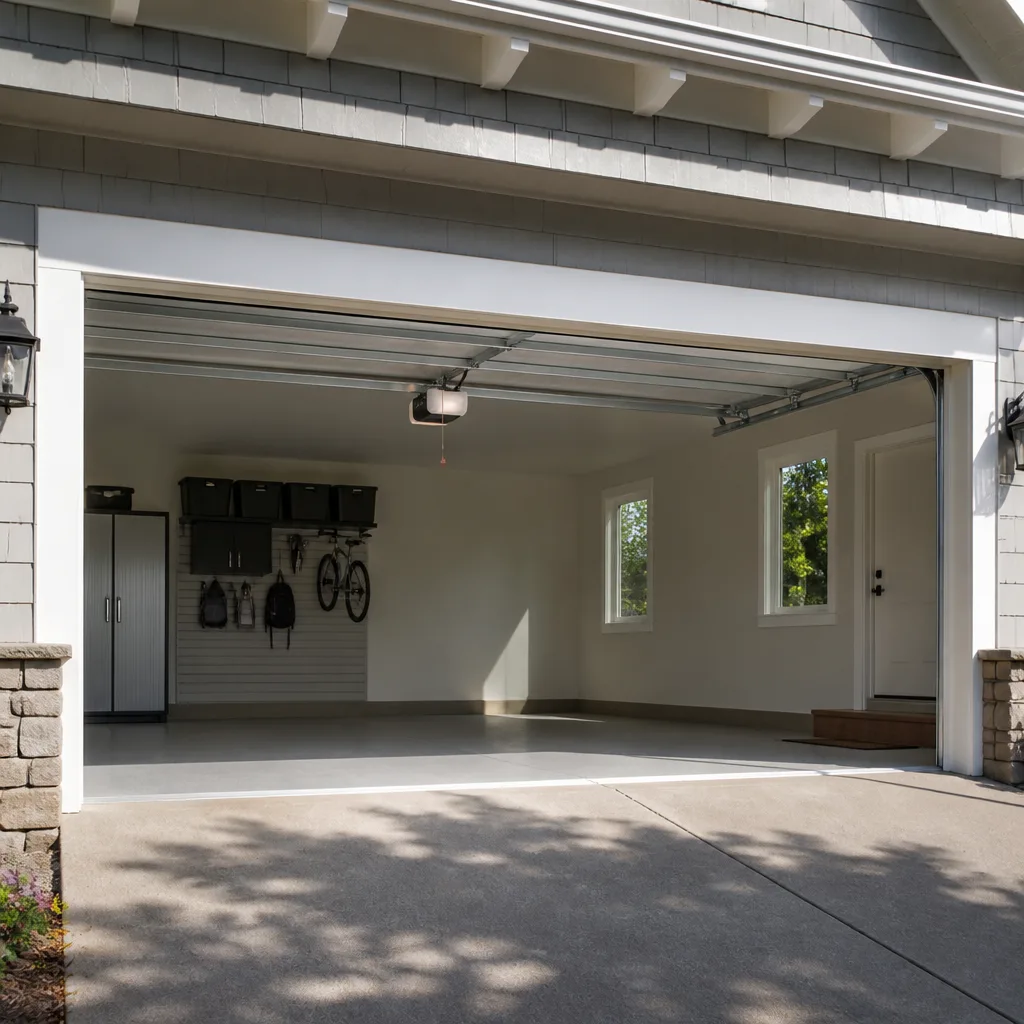 LiftMaster openers
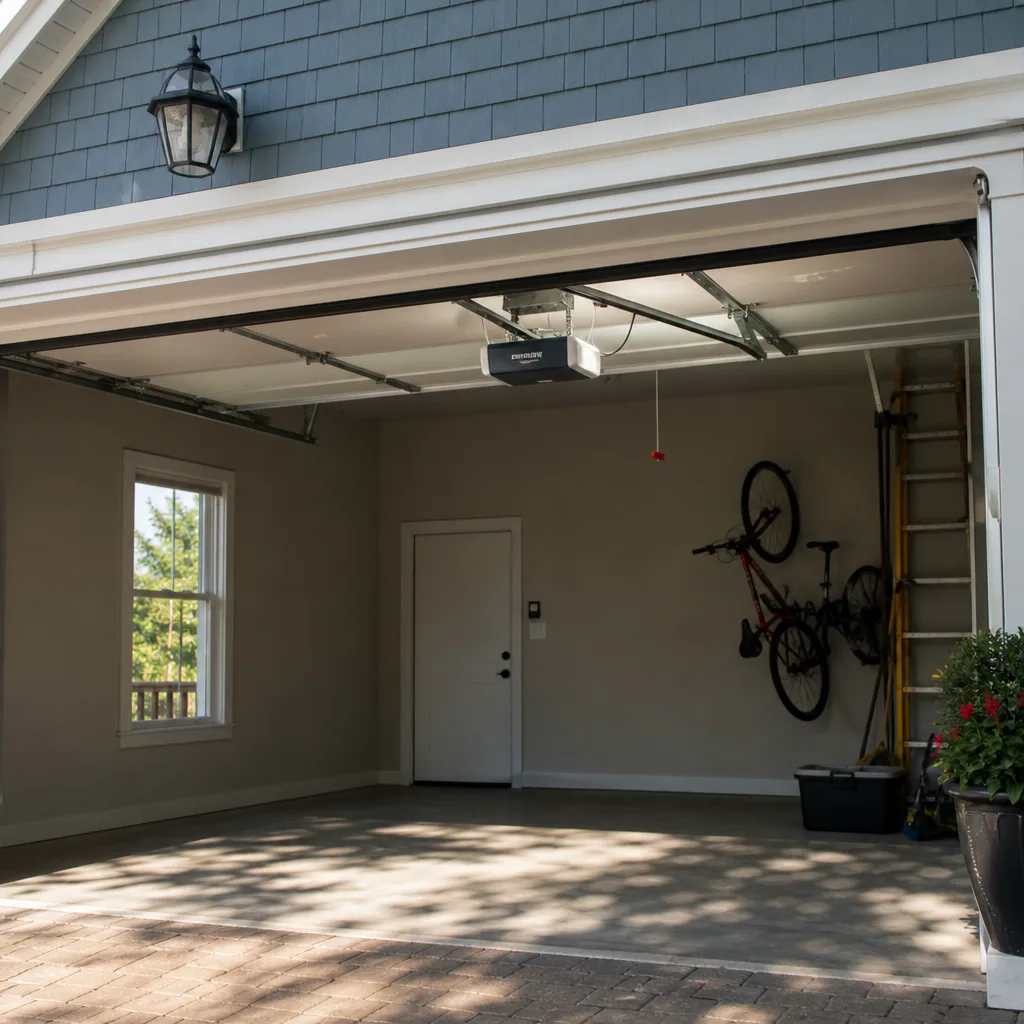 Chamberlain openers
Full 25-point door and opener safety check with every visit - springs, cables, rollers, tracks, and your LiftMaster or Chamberlain opener included
You get a price before we start. It does not change when the truck arrives.
Get your free estimateGarage Door Repair Maintenance Checklist for Miami Homeowners
The manufacturer’s recommended annual inspection interval was written for a controlled climate. In Miami, salt-air corrosion and humidity-driven cable fraying can make that interval a liability. A garage door that would last fifteen years in Phoenix can show terminal rust, frayed cables, and spring fatigue inside of eighteen months here. This checklist is not a generic service reminder. It is sequenced by Miami’s actual failure patterns: pre-hurricane season stress, post-storm drift, and the slow, relentless damage of marine air. You will learn which five components fail first in coastal Florida, what to use on them instead of standard grease, how to test hurricane-rated hardware at the right times, and how to keep a maintenance log that a warranty adjuster will actually accept.
Styles & brands we work with
Quick Answer
A Miami garage door maintenance checklist should run on a four-point rhythm: a pre-hurricane-season hardware inspection every May, a post-storm inspection after any named storm or 50+ mph wind event, a lubrication pass every four months using a marine-grade lithium or synthetic spray instead of white lithium grease, and a written log of every check. Coastal humidity and salt air compress failure timelines, so the most important items are torsion spring rust, cable fraying at the drum, roller corrosion, opener force settings, and hurricane-brace drift.
Table of Contents
- Why Miami Garage Doors Fail Faster
- The Month-by-Month Miami Maintenance Schedule
- The Five Components That Fail First in Coastal Florida
- Lubrication in Salt-Air Conditions: What Actually Works
- Testing Hurricane-Rated Hardware for Drift and Loosening
- The Written Maintenance Log That Holds Up to a Warranty Claim
- Common Mistakes to Avoid
- When to Call a Professional
- Frequently Asked Questions
- The Bottom Line
Why Miami Garage Doors Fail Faster
Most garage door maintenance guides are written in a vacuum. They assume a dry climate, moderate temperatures, and predictable wear. Miami breaks all three assumptions at once. The average relative humidity in Miami hovers between 70% and 80% for most of the year. Combine that with salt aerosol carried inland from the Atlantic, and you get a corrosion environment that attacks metal components daily, not seasonally. We have pulled torsion springs in Coral Gables that looked fifty years old after seven years of service. The same spring in a dry inland market would still be structurally sound.
Humidity does two specific things to a garage door system. First, it accelerates oxidation on bare and coated steel alike. The torsion spring, the cables, the hinges, and the roller stems all corrode faster. Second, humidity causes cable strands to swell and separate. A cable that looks intact on the outside may have internal strands reduced to rust dust. When that cable finally parts, it does so without warning, usually under full tension. The door drops, and if anyone is underneath it or in its path, the result is serious injury. This is why a maintenance schedule built for Miami has to be more aggressive than a generic one. The failure timeline is compressed.
We also need to address a scheduling reality: Miami homeowners face two distinct stress seasons every year. Hurricane season officially runs June 1 through November 30. The weeks leading into it demand a full hardware check. The weeks after any significant storm demand another. Between those checks, the humidity keeps working. A garage door that passes inspection in May can develop cable fray or roller seizure by September. That means a quarterly rhythm, not an annual one.
For homeowners who want a deeper understanding of the full scope of garage door work in this climate, our Garage Door Repair in Miami page covers the repair side in depth. The maintenance side is what we are covering here.
The Month-by-Month Miami Maintenance Schedule
This is the schedule we recommend for Miami homeowners. It is built around the two structural anchors of the South Florida year: pre-hurricane season and post-storm season. Each month has one task. Most tasks take under ten minutes. None require specialty tools beyond a flashlight, a step stool, and the right spray lubricant, which we cover below.
January: Full Visual Inspection
Start the year with the door closed and the opener disengaged. Look at every moving component: springs, cables, rollers, hinges, tracks, and brackets. You are looking for rust bloom, flaking metal, frayed cable strands, and any component that appears to be shifting out of alignment. Take photos with your phone. These become the baseline for the year’s log.
February: Lubrication Pass
This is one of the four lubrication passes on the annual calendar. The specifics of what to use are in the lubrication section below. Apply lubricant to the spring coils, the hinge pins, the roller stems, and the bearing plates at each end of the torsion tube. Do not lubricate the track. A greased track attracts grit and causes the rollers to skid.
March: Balance Test
Disconnect the opener using the red release handle. Lift the door manually to the halfway point and let go. A properly balanced door stays in place. If it falls, the springs are losing tension. If it rises, the springs are over-tensioned. Either condition forces the opener motor to work harder and shortens its life. This test takes thirty seconds and tells you more than a month of casual observation.
April: Weatherstripping and Threshold Check
The rubber strip along the bottom of the door is your first line of defense against driven rain, leaves, and the insects that thrive in Miami’s wet season. Check it for cracks, tears, and gaps. Check the side and top weatherstripping too. If you can see daylight anywhere around the perimeter of a closed door, replace the seal. A failed seal is an open invitation to water intrusion during afternoon thunderstorms.
May: Pre-Hurricane Hardware Torque Check
This is the most important single maintenance event of the year in Miami. Go over every fastener on the door and track system with a wrench or socket. Check the lag bolts that anchor the tracks to the wall. Check the bolts on the hinge plates. Check the mounting brackets for the opener. Hardware loosens over time from cyclical vibration, and a storm’s wind load will find every weak point. Tighten anything that moves. If a lag bolt spins without tightening, the hole has stripped and needs to be addressed before a storm loads that door. We cover hurricane-specific bracing further down.
June: Opener Force and Reversal Check
Every garage door opener manufactured after 1993 has an auto-reverse mechanism triggered by resistance. Test it monthly during hurricane season. Place a 2×4 flat on the ground under the door’s path and close the door. The door should reverse within two seconds of contacting the wood. If it does not, the force setting is too high. Lower it until the door reverses reliably. This is a safety device, not an adjustable convenience.
July: Cable Inspection Under Load
Cables are under their highest tension when the door is closed, because the springs are wound. With the door closed, inspect the full length of both cables, especially where they wrap onto the drums at each end of the torsion tube. Look for any strand that has lifted out of the bundle, any rust staining, or any area where the cable diameter appears reduced. A cable that has lost 10% of its diameter has lost a much larger share of its load capacity. This is a repair item, not an observation item.
August: Peak Humidity Lubrication Pass
August in Miami is brutal for metal. The combination of peak heat and peak humidity accelerates oxidation on any component that has lost its protective coating. A second lubrication pass in August maintains the barrier that keeps salt-laden moisture off the spring and hinge surfaces. If your springs already show rust bloom, this is also the month to photograph them and consider replacement. A rusted spring is a failing spring.
September: Post-Storm Inspection
After any named storm, even one that passes offshore, inspect the door before you run the opener again. Look for shifted tracks, new gaps in the weatherstripping, bent panels, and any debris lodged in the track or under the door. Run the door manually first, then with the opener. Listen for new sounds. Wind loading can distort a door enough to cause binding even when no visible damage is present.
October: Hurricane Bracing Removal and Re-Torque
If you installed hurricane braces or reinforcement struts, remove or adjust them per the manufacturer’s instructions after the season’s peak has passed. Re-torque the track bolts, hinge bolts, and opener brackets. The storms of September, even mild ones, have been working those fasteners. Check the door balance again. Seasonal temperature shifts affect spring tension slightly, and a small adjustment now can prevent an opener failure in December.
November: Photo Documentation for the Log
Take a fresh set of photos of the entire system: springs, cables, drums, rollers, hinges, tracks, opener, and weatherstripping. File them with the year’s maintenance log. This becomes your end-of-season record. It documents the condition of the door before the milder winter months, and it gives you a comparable record for next year’s January inspection.
December: Opener Lubrication and Final Pass
The opener itself needs attention once a year. Many openers have a rail that requires grease and a chain or belt that requires tension adjustment. Lubricate per the manufacturer’s specifications. Drive gears inside the opener housing should be greased with a light lithium grease. The rail should be wiped clean and lightly re-greased. Do not use spray lubricant on the opener rail. It will sling off onto the vehicle and the floor.
This twelve-month sequence covers the annual cycle. If you want a professional set of eyes on any of these items, a garage door repair in Miami call is the right next step, and most maintenance inspections are quick for a technician who does this daily.
The Five Components That Fail First in Coastal Florida
Every climate has a failure signature. In Miami, we see the same five components fail in the same order, year after year. Knowing the sequence means you can catch a problem at the first stage instead of the final one.
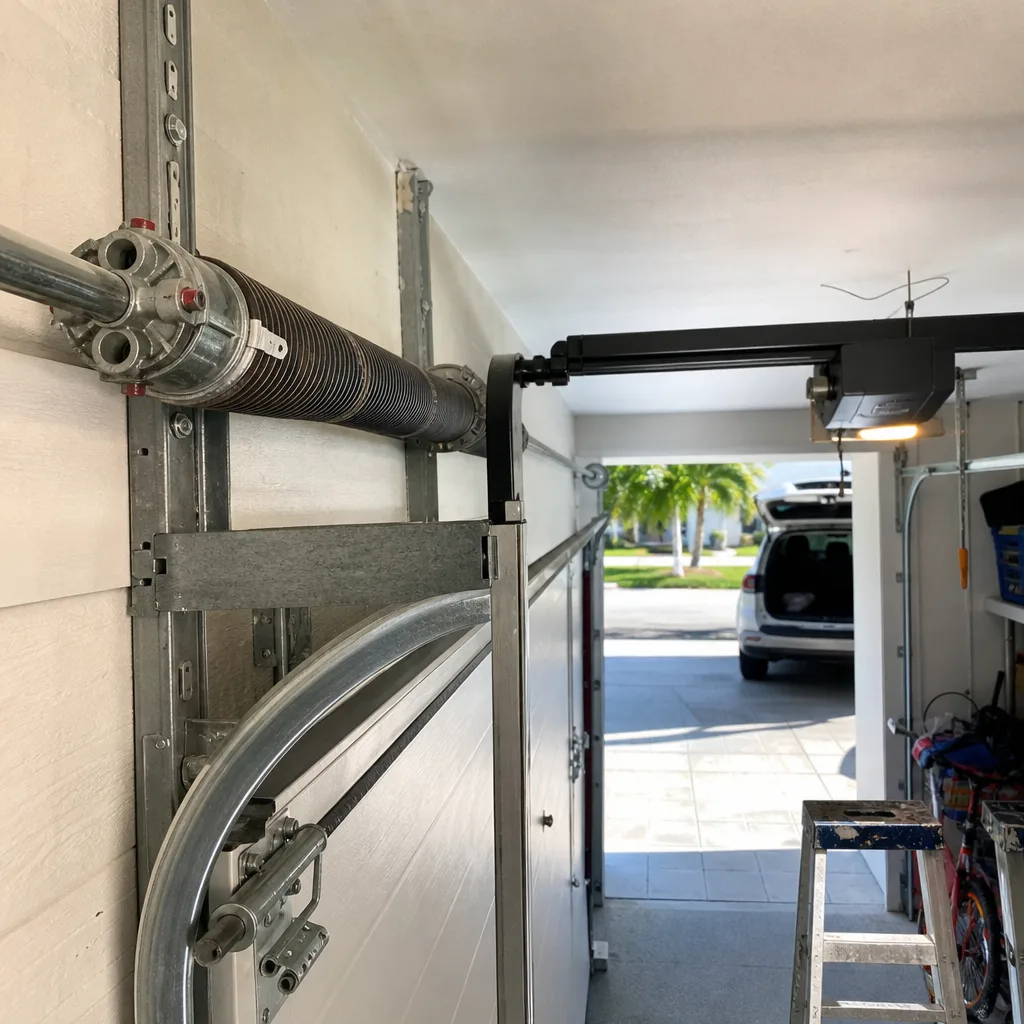
- Torsion springs. The spring is under constant tension, which means its protective coating is under constant micro-strain. Once that coating cracks, salt air finds bare steel, and rust begins. Rust on a spring is not cosmetic. Each pit becomes a stress concentration point, and the spring will eventually snap at the deepest pit. A snapped torsion spring releases a large amount of stored energy and can cause serious injury to anyone nearby. Do not attempt to remove or replace a garage door spring yourself. This is the single most dangerous component in the system. A trained professional has the proper winding bars and knows the procedure.
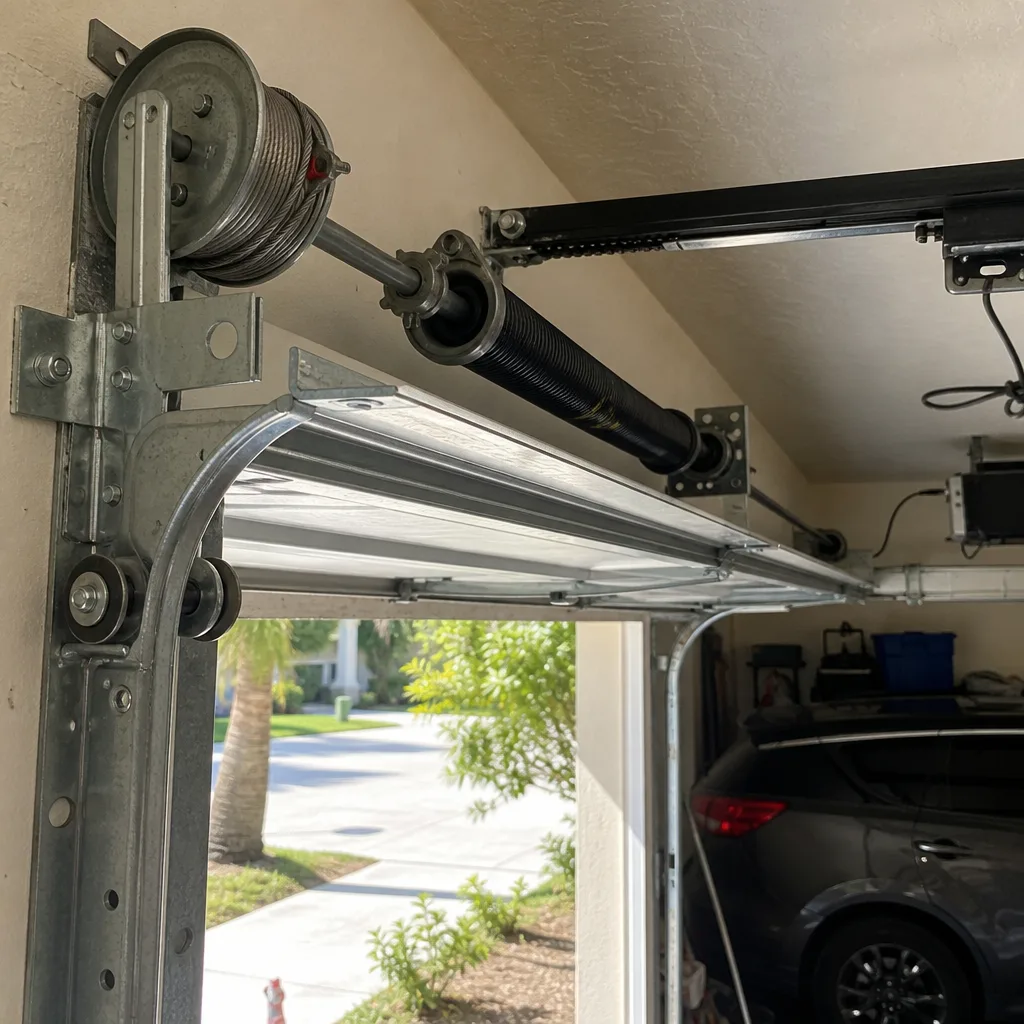
- Lift cables. In Miami, the cables are usually the first casualty of humidity. The cable is made of many small steel strands wound together. Moisture wicks between the strands, and rust proceeds from the inside out. You cannot see internal rust until the cable fails or until strands begin to separate at the drum. By that point, replacement is mandatory, not optional. We see cable replacement requests across every Miami neighborhood, from Kendall to Hialeah, and the cause is almost always the same: internal corrosion from sustained humidity. If you need a deeper look at cable-specific issues, our Garage Door Cable Repair in Miami page covers the repair side.
- Rollers. Nylon rollers have become standard on new doors because they run quieter. In Miami, the steel ball bearings inside the nylon wheel are the weak point. Salt-laden humidity corrodes the bearings, the wheel seizes, and the roller starts to drag in the track instead of rolling. A seized roller carves a flat spot on the wheel and begins to damage the track. Listen for a scraping or grinding sound when the door runs. That sound is nearly always a roller bearing in the early stages of failure.
- Hinges. The hinge plates that connect the door panels flex with every cycle. They are plated steel, and the plating thins at the flex point. Once exposed, the hinge rusts at the pin and the rivet. A corroded hinge can tear away from the panel under load, leaving a section of the door unsupported. Inspect hinges for rust at least twice a year, and replace any that show pitting or looseness.
- Opener force sensors and logic board. The electronic controls on a garage door opener are vulnerable to two things Miami has in abundance: humidity and power surges. Humidity condenses inside the opener housing during temperature swings and corrodes the logic board. Lightning and storm-related power surges damage the force sensors and the travel limit switches. An opener that worked in April and failed in September usually failed because of one of those two causes. If your opener still runs but the door no longer reverses on contact, the force sensor is a likely culprit. For opener-specific guidance, see our Garage Door Opener Repair in Miami page.
These five components account for the large majority of failures we see in Miami. Everything else in the system, particularly the tracks and the panels, has a longer service life in normal conditions. Check the five items first, and you will catch most problems before they strand a car in the driveway or worse.
Lubrication in Salt-Air Conditions: What Actually Works
The single most common lubrication mistake in Miami, and we see it constantly, is using standard white lithium grease from a hardware store. White lithium grease is a fine product for dry climate conditions. In Miami, it does not hold up. The grease absorbs moisture, loses its adhesion, and turns into a gritty paste that accelerates wear rather than preventing it.
What works in salt-air conditions is a lubricant designed for marine or heavy-duty environments. Look for a lithium-based spray that specifically states it resists moisture displacement or salt spray. Marine-grade lithium greases and synthetic multi-purpose sprays rated for extreme conditions are the right category. The key qualities are: it must repel water, it must resist salt, and it must stay in place without becoming tacky. A thin, penetrating spray is not enough. A thick, grease-like coating that hardens in humidity is also wrong. The right product sits in between: it coats the surface with a water-resistant film and stays there through multiple rain events.
The four points that need lubrication, in order, are: the torsion spring coils, the bearing plates at each end of the torsion tube, the hinge pins, and the roller stems. For each, the goal is to coat the surface, not to flood it. Wipe away excess. Excess lubricant drips onto the car, the floor, and the track, where it attracts salt-laden grit and creates a grinding compound.
Do not lubricate the track with any product. The track is designed to be a clean rolling surface. The rollers roll on it; they do not slide. Greasing the track accomplishes nothing and creates a grit trap. If the door is noisy and lubrication of the hinges and rollers does not quiet it, the noise is coming from something else, probably a worn roller bearing or a loose hinge plate.
Lubricate on a four-month cycle in Miami: February, June, and October, with an extra pass in August if you live within two miles of the coast or on a barrier island. Homes closer to salt water need more frequent attention. The August pass is insurance against the peak humidity weeks.
Testing Hurricane-Rated Hardware for Drift and Loosening
Hurricane-rated garage doors are built to resist wind pressure that would destroy a standard door. They use reinforced panels, heavier gauge tracks, additional struts, and bracing systems that anchor the door to the framing. All of that hardware works only if it stays in the position where it was installed.
After a significant wind event, and before one, you should test for drift and loosening. This is a step no generic garage door checklist includes, and it matters more in Miami than anywhere else in the continental United States.
Step 1: Check the reinforcement struts. These are the horizontal metal bars bolted to the inside of each door panel. Look at the bolt heads. If a strut has shifted, you will see fresh metal exposed around the bolt, a shadow mark where the strut used to sit, or loose bolts. Tighten any that have loosened. If a bolt spins without tightening, the hole has elongated, and the strut is no longer doing its job.
Step 2: Check the track anchoring. The vertical and horizontal tracks on a hurricane-rated door are mounted with more fasteners than a standard door, and those fasteners are longer. Check each one. A lag bolt that has backed out even an eighth of an inch is a structural weakness under wind load. Torque them to snug, not to stripped.
Step 3: Check the hinge-to-panel connections. Wind pressure tries to pull the door panels apart at the seams. The hinges are what hold them together. Every hinge screw and bolt should be checked. Here again, a spinning fastener means a stripped hole, and a stripped hole means the wind has a purchase point.
Step 4: Check the door-to-jamb seal. A hurricane-rated door should seal tightly against the jambs on both sides. Wind-driven rain gets through any gap. The door cannot resist wind pressure effectively if it is not seated square in the opening. Close the door and run your hand along the inside edge of each jamb. Feel for gaps, light, or air movement.
Step 5: Run a full cycle and listen. Wind loading can bend a track enough to cause binding that is not visible. Open and close the door fully once. It should run at a steady speed, without jerking, without hesitation, and without new scraping sounds. If it does not, something moved during the storm.
If any of these checks reveals a fastener that will not torque, a strut that has shifted, or a track that has moved, treat it as a repair item before the next storm, not after. The season is long, and the next storm does not care that you were going to get to it later.
The Written Maintenance Log That Holds Up to a Warranty Claim
A garage door warranty is only as good as the documentation behind it. Manufacturer warranties on springs, cables, openers, and full doors all require evidence of reasonable maintenance. Insurance claims after a storm require the same. In Miami, where storm damage disputes are common, a written log is often the difference between a claim paid and a claim denied.
The log does not need to be elaborate. It needs to be consistent. A simple notebook or a digital note works. Each entry needs six pieces of information:
- Date. The day the inspection or task was performed.
- Task. What was checked or done: visual inspection, lubrication, balance test, bolt torque, opener test, cable inspection.
- Findings. Anything observed, even if it was normal. Write “no issues found” when that is the case. A log with only problems is incomplete.
- Action taken. What was done as a result: tightened bolts, replaced seal, lubricated springs, called a technician.
- Photos. At least four photos per inspection: one of the springs, one of the cables at the drums, one of the rollers and hinges, one of the full door from inside.
- Signature or initial. Whoever did the work, whether the homeowner or a technician.
For warranty purposes, the log proves that maintenance was performed at reasonable intervals. A claim for a failed spring three years into a five-year warranty will be honored much more readily if you can show six lubrication passes and twelve inspections over those three years. Without the log, the manufacturer has room to argue that the failure resulted from neglect, even when it did not.
For insurance purposes after a storm, the log establishes the condition of the door before the event. If a hurricane damages a track, and you have a photo from May showing the track was straight and properly anchored, the adjuster has no argument that the damage pre-existed the storm. That documentation has real dollar value.
Keep the log for the life of the door, plus a year. For a garage door that lasts ten to fifteen years, that is a single notebook or one cloud folder. The effort is small. The protection is large.
Common Mistakes to Avoid
- Using white lithium grease in a salt-air environment. White lithium grease absorbs moisture and breaks down quickly in Miami’s humidity. Use a marine-grade lithium or synthetic spray that repels water and resists salt spray.
- Lubricating the track. The track is a rolling surface, not a sliding one. Grease on the track attracts grit and creates a grinding compound that wears out rollers and tracks faster.
- Skipping the pre-hurricane-season torque check. Loose fasteners are the invisible vulnerability in any storm. A track that shifts under wind load can cause a door failure that strands your vehicles during the exact moment you need access.
- Testing the auto-reverse with a broom. A broom handle gives a false reading because the door can deflect it. Use a solid object like a 2×4 laid flat. The door should reverse within two seconds of contact.
- Ignoring rust on springs or cables as cosmetic. Rust on a spring or cable is structural decay in progress. It means the protective coating has failed and the load-bearing steel underneath is deteriorating. Replace, do not paint over it.
- Running the opener after a storm without a visual check. Wind can shift a track by a fraction of an inch, enough to cause binding. If the door binds while the opener is running, the opener can burn out its motor or strip a gear.
- Attempting DIY spring or cable work. Torsion springs and lift cables are under enough tension to cause severe injury or death. Never attempt to wind, unwind, remove, or adjust them without proper tools and training. This is the one mistake that cannot be walked back.
When to Call a Professional
Some maintenance items are within a homeowner’s reach: visual inspection, lubrication, balance testing, fastener torquing, and reversal testing. Others are not. If you find rust bloom on a torsion spring, call a professional. If you find frayed strands on a cable, call a professional. If a track has shifted, if a strut will not re-torque, or if the door fails the balance test in either direction, call a professional. These components are under load, and a failure during a DIY adjustment is not a repair bill. It is an ambulance call.
Brock Garage Doors Miami offers free estimates in Miami. Every job gets a written price before work begins, and every repair is covered by a written 365-day guarantee. If a covered repair fails within that year, we return and make it right at no additional charge. Call (850) 403-9654 to schedule an estimate.
Frequently Asked Questions
Run a lubrication pass every four months and a full hardware inspection every May before hurricane season and again after any named storm. Miami’s humidity compresses failure timelines, so quarterly attention is the minimum for a door you depend on daily. Call (850) 403-9654 if you find anything that needs professional eyes.
Torsion spring replacement in Miami typically runs $180 to $340 for a standard residential door, depending on spring size, cycle rating, and whether one or both springs are replaced. Both springs should be replaced at the same time, because the failure of one means the other has reached the same fatigue point. The written price is always confirmed before any work starts.
Yes. Lubricating the spring coils with a marine-grade lithium or synthetic spray is a safe and useful maintenance task. Do not attempt to adjust, wind, or remove the spring. The lubrication is safe; the adjustment is not. A live person answers calls 24/7 at (850) 403-9654 if you have questions before you spray.
Look for lifted strands, rust staining, or a reduced cable diameter at the drum where the cable wraps. Any of these indicates internal corrosion and impending failure. A cable that shows visible fraying should be replaced immediately, not taped or clamped. If you see it early, a cable replacement is a simple job; if the cable parts, the door can drop and the repair is larger.
If your door is not rated for high wind loads, a retrofit bracing system is a worthwhile investment, especially for homes built before the 2002 Florida Building Code updates. Have a professional install it, and have the same professional check it every May. A brace that is not anchored correctly gives a false sense of security and can become a projectile itself under load.
Check the sensor eyes at the bottom of the track first. Storm debris, water, or a slight misalignment of the track can knock the sensors out of alignment, and the door will refuse to close. If the sensors are aligned and the door still will not close, check the track for shifted sections and check the cable drums for a skipped cable. If none of these resolves it, call (850) 403-9654 for a professional assessment.
The Bottom Line
A Miami garage door needs more attention than a garage door almost anywhere else in the country. The manufacturer’s generic maintenance interval is a starting point, not a standard. In this climate, the four-point rhythm matters more than any annual checklist: May hardware torque before hurricane season, post-storm inspection after any significant wind event, four-month lubrication with a marine-grade product, and a written log of everything. The five components that fail first are the springs, cables, rollers, hinges, and opener electronics. Check them first, check them often, and call a professional the moment you see rust bloom, frayed strands, or a balance failure. The cost of maintenance is small. The cost of neglect in Miami, in dollars and in safety, is not.
Written by Wade Mercer, Owner at Brock Garage Doors Miami, serving Miami since 2001.
See the difference
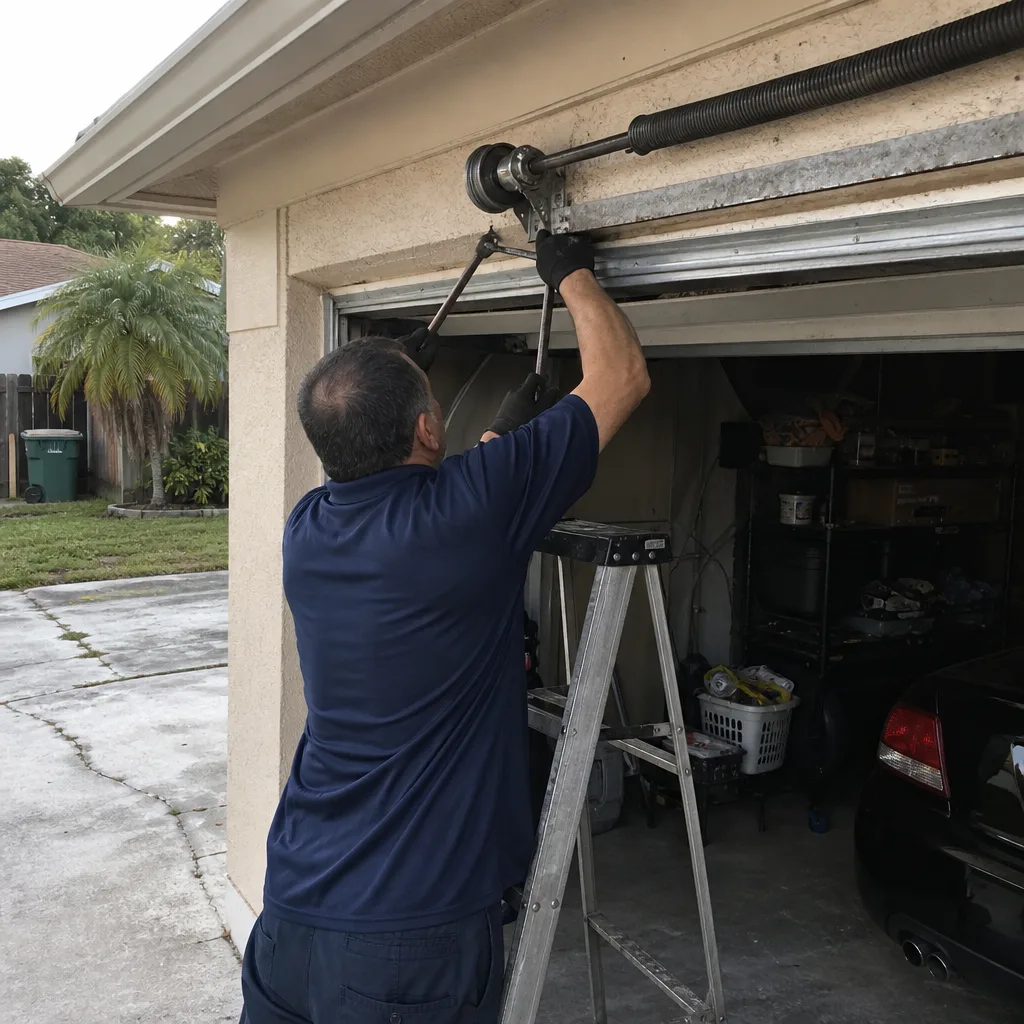 Before
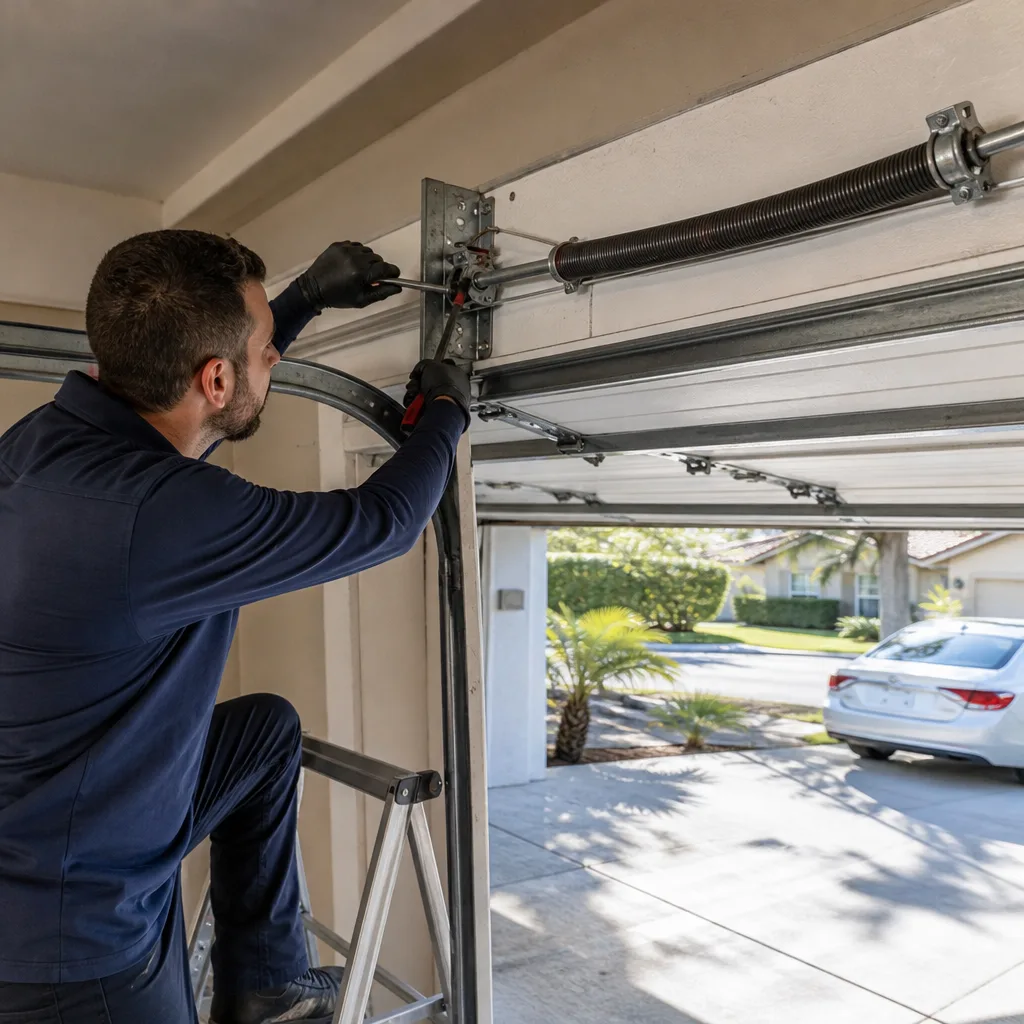 After
After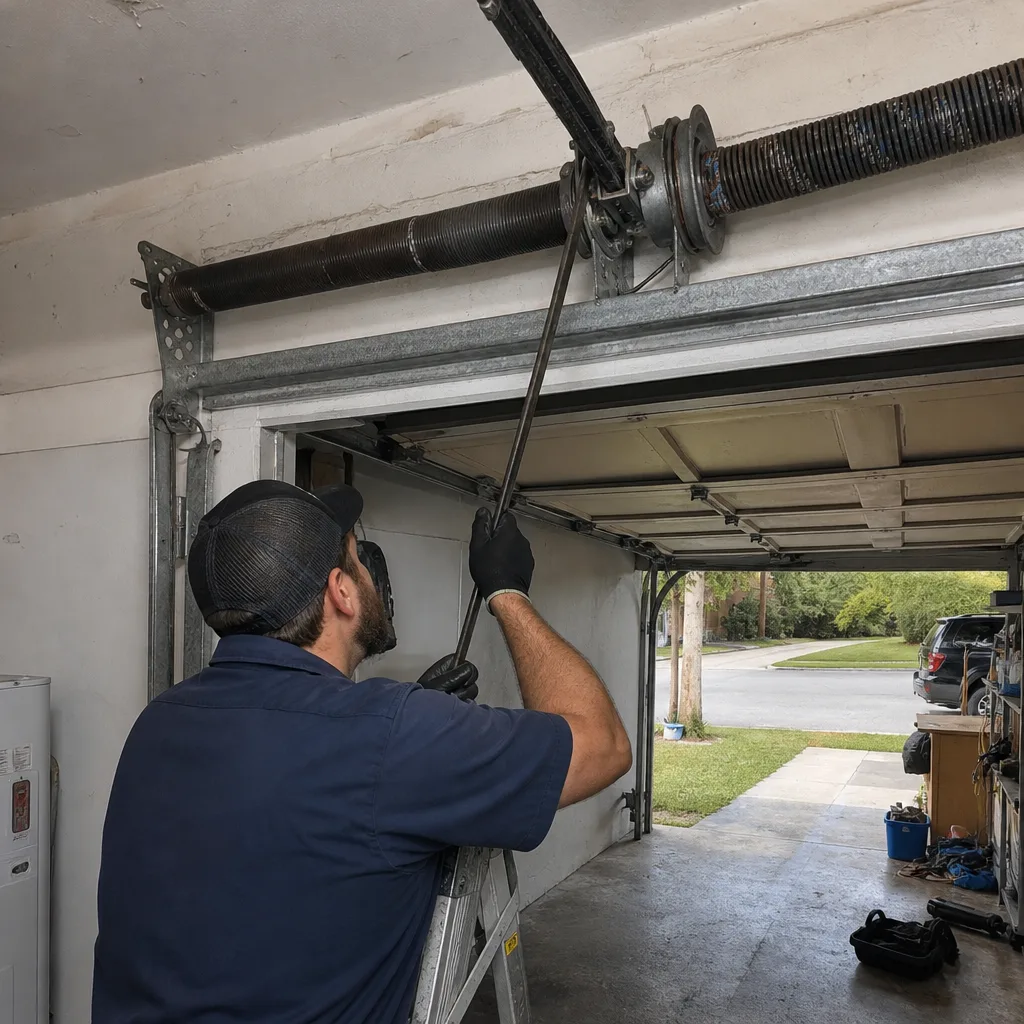 Before
 After
After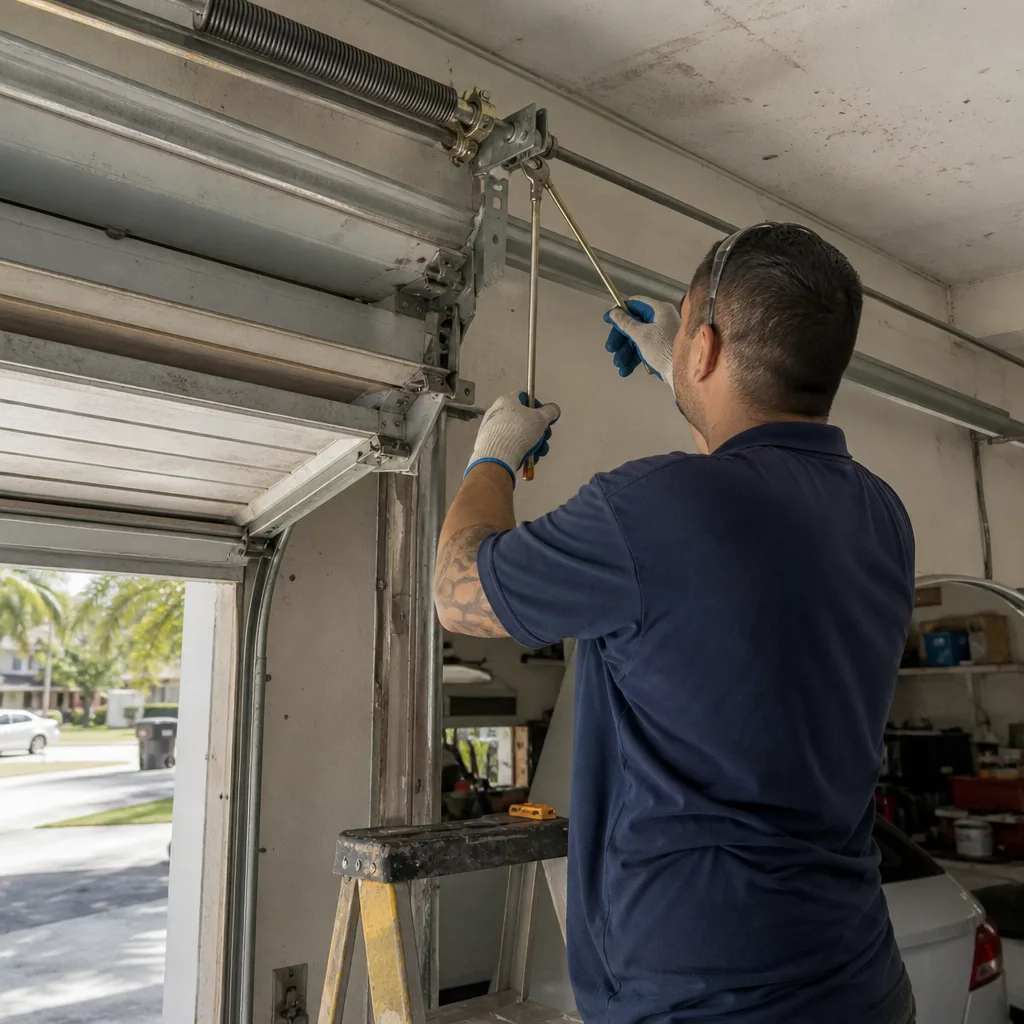 Before
 After
After