
Last updated October 16, 2026
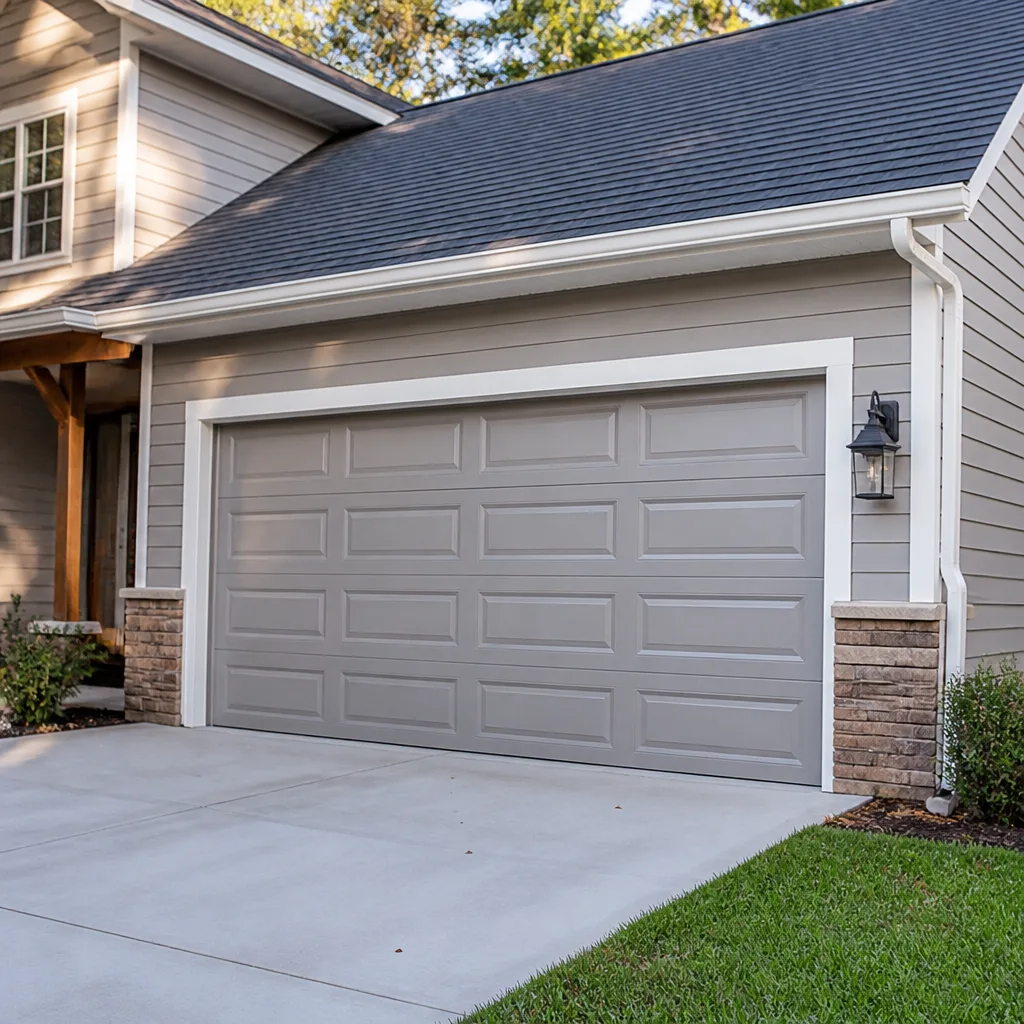 Raised-panel steel
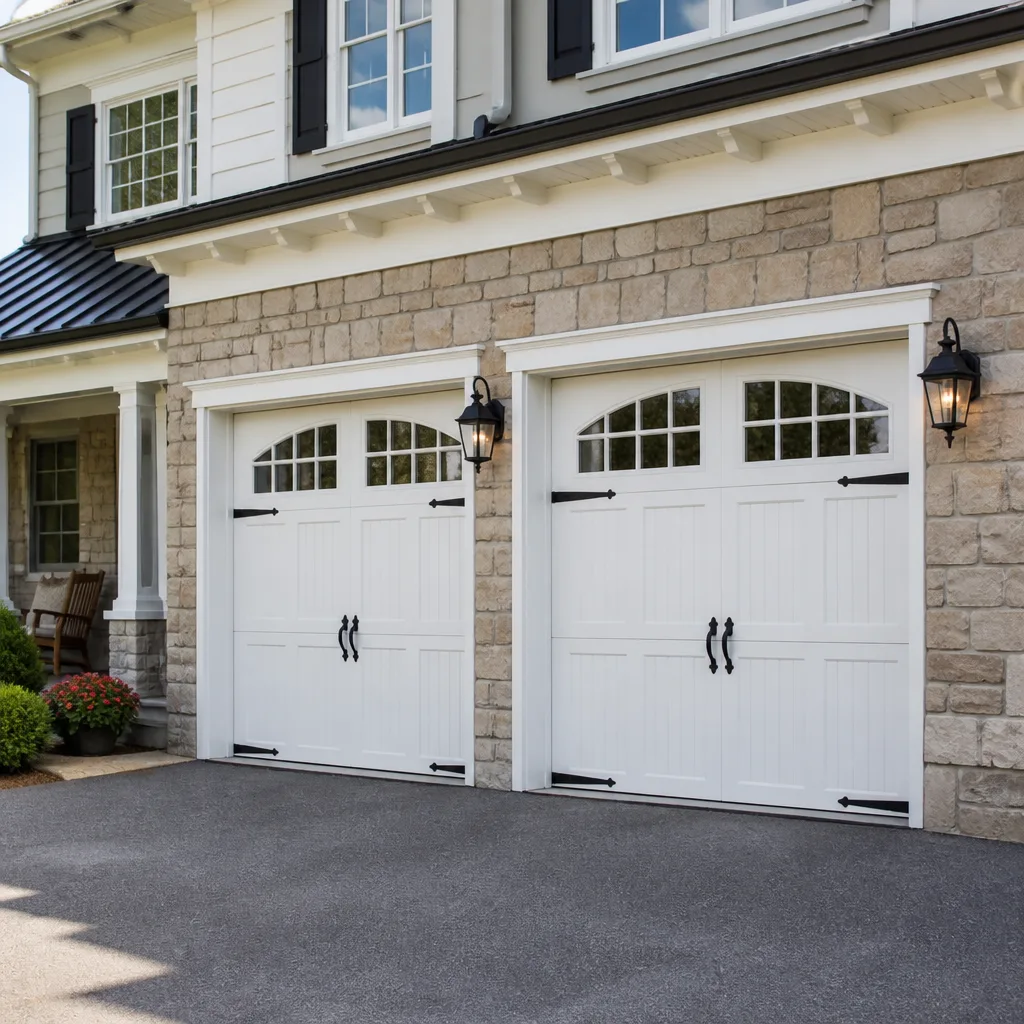 Carriage house
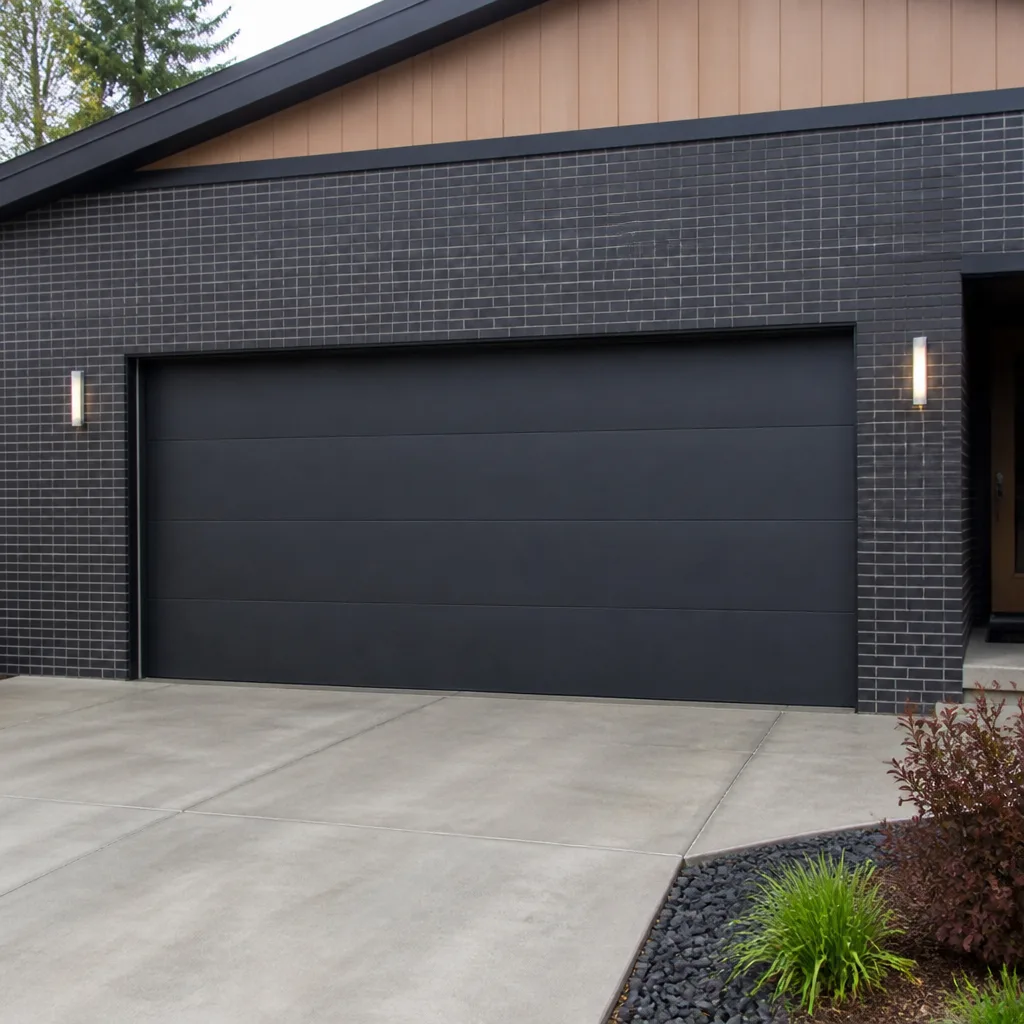 Modern flush
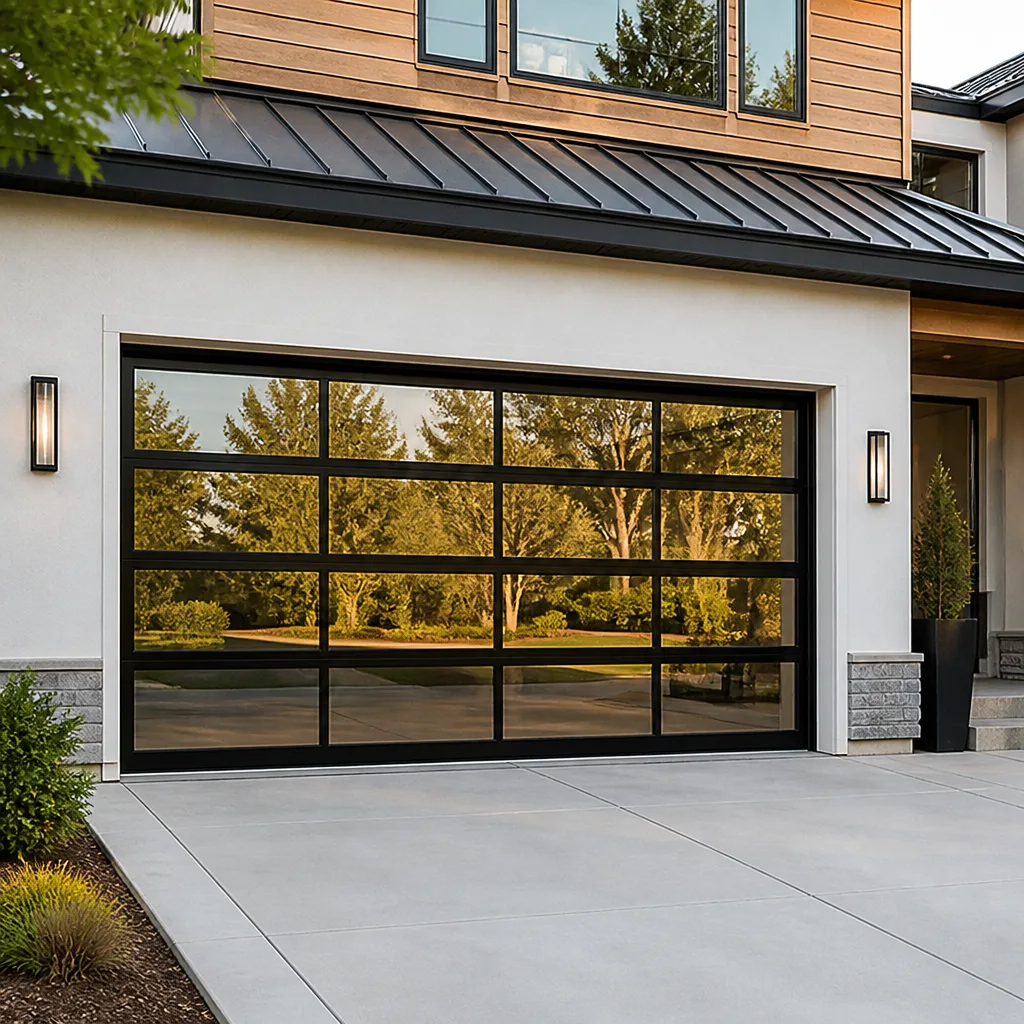 Full-view glass
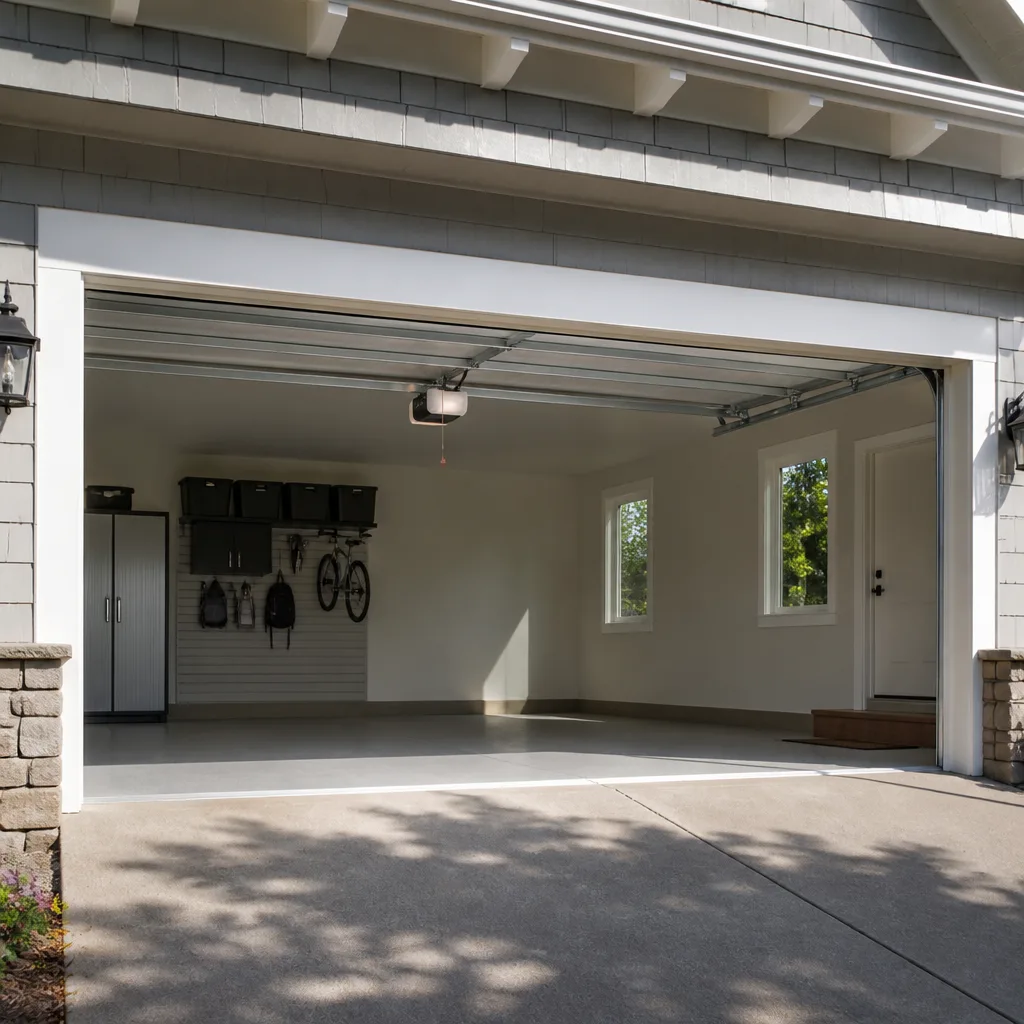 LiftMaster openers
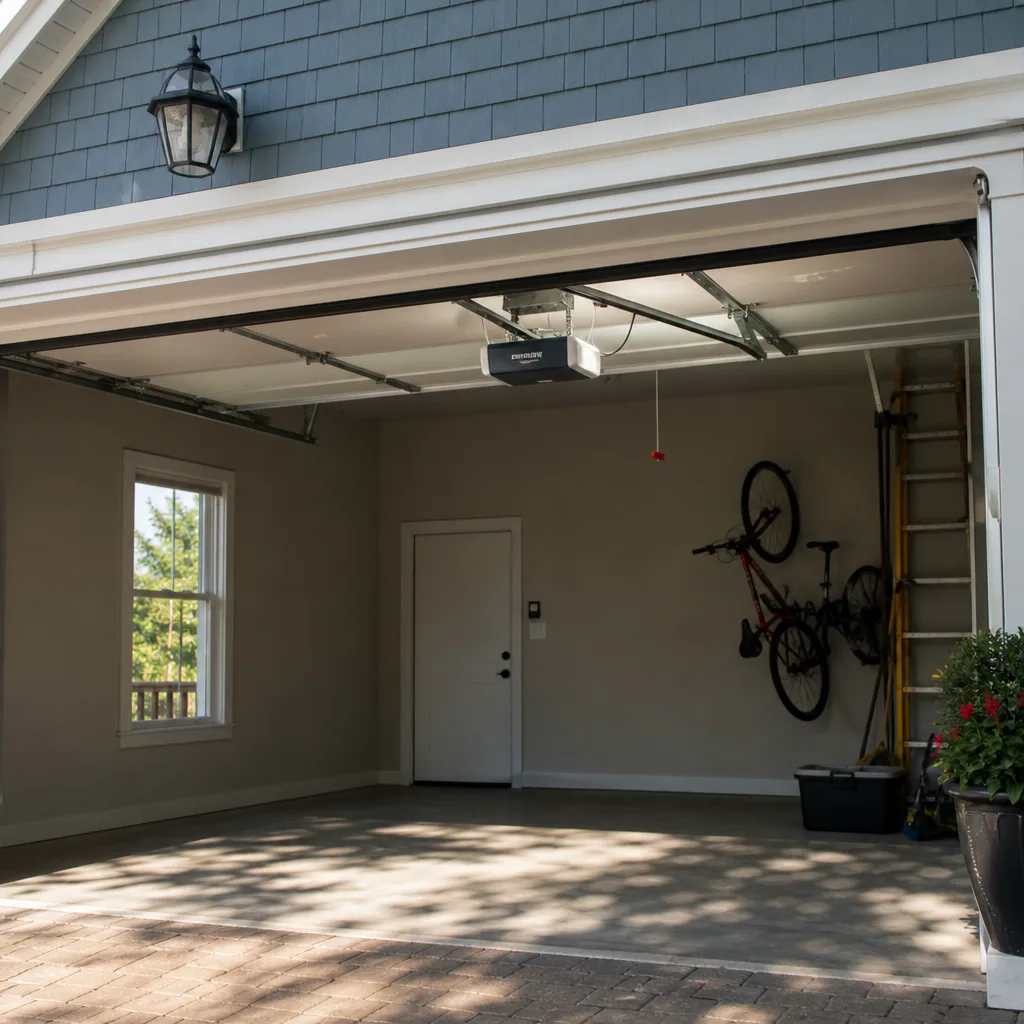 Chamberlain openers
Full 25-point door and opener safety check with every visit - springs, cables, rollers, tracks, and your LiftMaster or Chamberlain opener included
You get a price before we start. It does not change when the truck arrives.
Get your free estimateDIY vs Professional Garage Door: The Miami Homeowner’s Decision Guide
Most garage door guides start with a simple premise: if you’re handy, you can fix it yourself; if you’re not, call someone. That framing misses the point entirely here. Miami is one of the few places in the country where the question isn’t just about skill or savings. It’s about statute. In Miami-Dade County’s High-Velocity Hurricane Zone (HVHZ), certain garage door repairs cross a legal line that doesn’t exist in Orlando, Tampa, or most of Texas. This guide draws that line clearly, task by task, so you know what you can legally touch, what you shouldn’t, and what it actually costs when the job goes wrong. For Garage Door Cost Breakdown: The Miami Homeowner’s Reference for 2026, see our dedicated breakdown.
Styles & brands we work with
Quick Answer
In Miami, you can legally handle minor garage door tasks like replacing remote batteries, cleaning and aligning photo-eye sensors, and swapping weatherstripping. Repairs that involve torsion springs, load-bearing cables, or structural components of an HVHZ-rated door generally require a licensed contractor under Florida Statute 489 and Miami-Dade County code, and doing them yourself can void your door’s Miami-Dade Product Approval.
Table of Contents
- The Legal Line: What Miami-Dade Code Actually Says
- Torsion Springs: The Risk That Isn’t About Skill
- HVHZ-Rated Doors: Why DIY Can Void Your Product Approval
- What You Can Reasonably DIY (And What You’ll Save)
- The Real Cost Comparison: DIY vs Professional in Miami
- The Paper Trail: What a Written Receipt and Warranty Are Worth
- Common Mistakes to Avoid
- When to Call a Professional
- Frequently Asked Questions
- The Bottom Line
The Legal Line: What Miami-Dade Code Actually Says
The DIY versus professional question in Miami starts with a statute most homeowners have never read. Florida Statute 489.103 defines what constitutes contracting work, and it’s broader than most people assume. If you’re performing structural repair, modification, or installation on a component that affects a building’s envelope or load-bearing function, you’re performing work that requires a licensed contractor. A garage door in Miami is not treated as a simple household fixture. It’s a structural opening in a hurricane-rated envelope.
Miami-Dade County goes further. The county requires garage doors installed after 1994 to carry a Notice of Acceptance (NOA) or Miami-Dade Product Approval. That approval certifies the door system as a complete assembly: the panels, the track, the springs, the cables, the fasteners, and the attachment to the structure. When you alter any load-bearing component of that assembly yourself, you’re not just fixing a door. You’re modifying a product the county approved as a system. For details on the permit and inspection side, see Garage Door Permits, Codes & Inspections in FL: What You Need to Know. If the modification wasn’t performed by a licensed contractor and inspected where required, the door’s compliance status changes.
Here’s where the practical line falls. Cosmetic work and low-risk component replacement sit on one side. Structural, spring, cable, and track work sit on the other.
Work a homeowner can legally perform
- Replacing remote control batteries and reprogramming remotes
- Cleaning and realigning photo-eye safety sensors
- Replacing bottom weatherstripping and side seals
- Lubricating rollers, hinges, and tracks with a silicone-based lubricant
- Tightening visible hardware that has loosened (but not spring hardware)
- Painting the door surface (non-structural cosmetic work)
Work that requires a licensed contractor in Miami-Dade
- Torsion spring replacement or adjustment
- Extension spring replacement on doors without a safety containment cable
- Cable replacement or repair, including lift cables and safety cables
- Track replacement, realignment, or re-anchoring
- Panel replacement on HVHZ-rated door systems
- Opener motor replacement where new brackets fasten into structural members
The second list isn’t our opinion. It’s the line drawn by Florida’s contractor licensing statute and Miami-Dade’s building code enforcement. A homeowner who performs items on that second list without a license assumes liability that persists after the work is done. If the door fails during a storm and an insurance adjuster finds evidence of unpermitted modification, the claim gets complicated. Not rejected every time. Complicated. That’s a distinction worth understanding before you pick up a winding bar.
Torsion Springs: The Risk That Isn’t About Skill
Most DIY warnings about torsion springs miss the actual point. They say, “Springs are complicated, leave them to a professional.” That framing makes it sound like a knowledge problem. It isn’t. The danger in a torsion spring is mechanical energy, and mechanical energy doesn’t care how many YouTube tutorials you’ve watched or how many times you’ve rebuilt a carburetor.
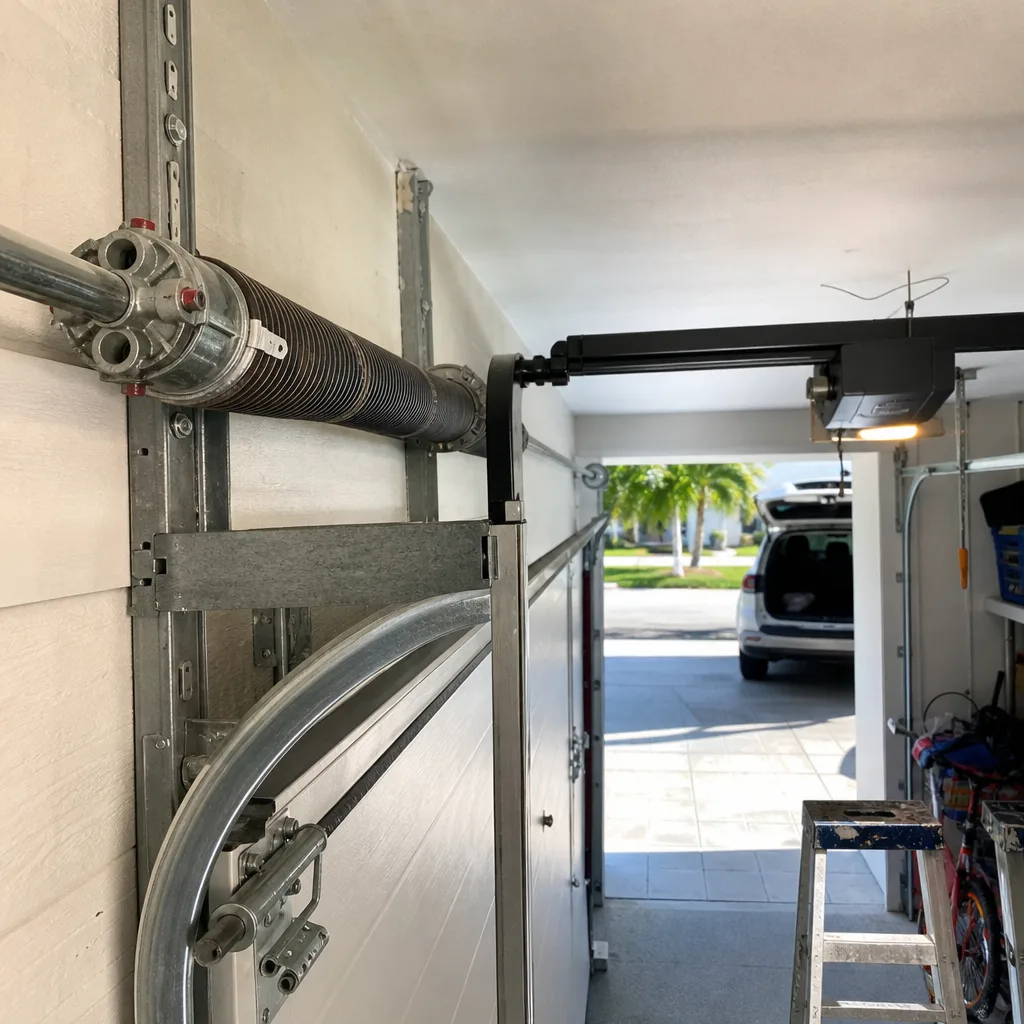
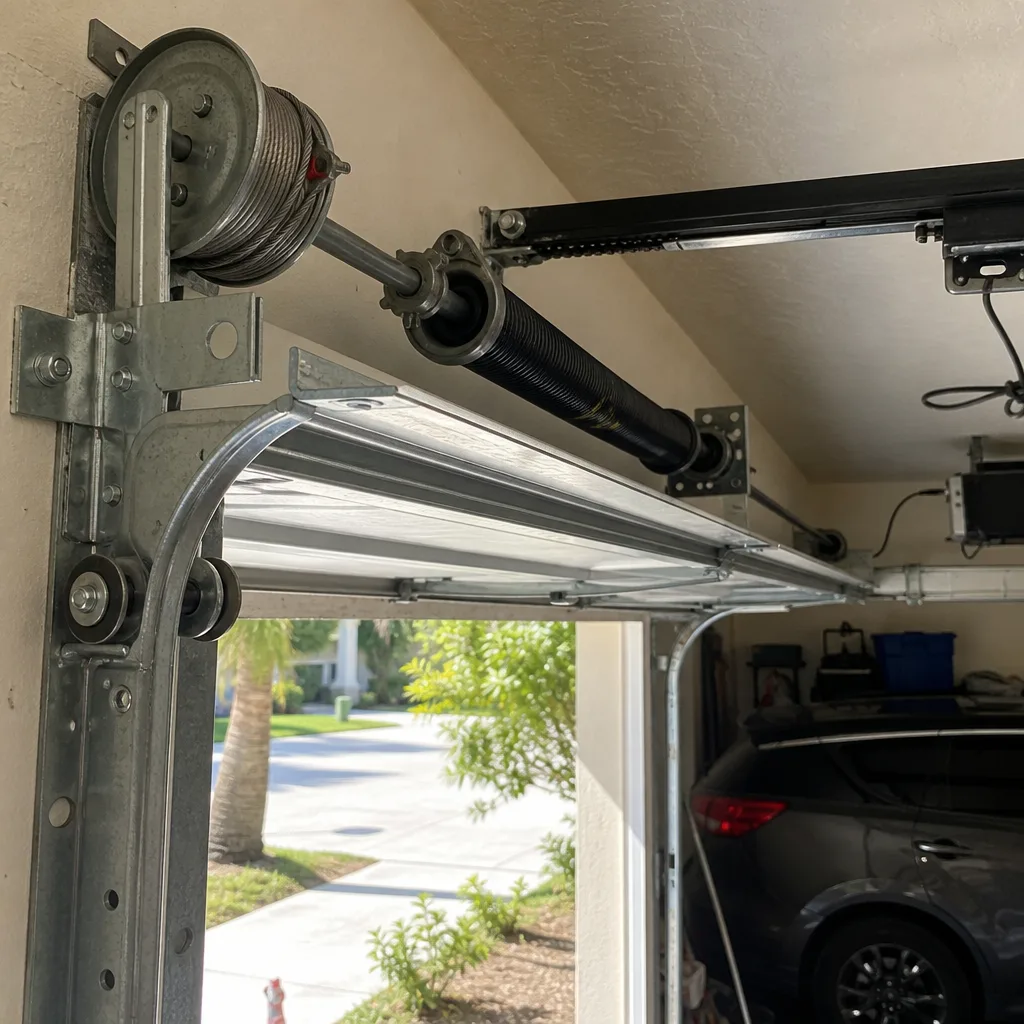
A torsion spring, the thick coiled spring mounted horizontally above the door opening, stores the energy that lifts your door. On a standard 16-foot residential door weighing 150 to 220 pounds, the torsion system holds roughly 50 to 120 foot-pounds of stored torque per spring, depending on wire size and coil count. When you use a winding bar to tension that spring and the bar slips, the release isn’t gradual. It’s instantaneous. The spring unwinds in a fraction of a second.
According to data compiled from U.S. Consumer Product Safety Commission injury reports and emergency department records, garage door springs account for an estimated 2,000 to 3,000 injuries annually nationwide, with the most severe involving facial lacerations, orbital fractures, and hand trauma. The injury isn’t a function of carelessness. It’s a function of equipment failure, and a homeowner working alone with two winding bars has no backup if a bar snaps, a cone fails, or the spring’s set screw strips.
The mechanical reason improper release is dangerous regardless of experience: winding bars are inserted sequentially, but torque is applied continuously. If the second bar isn’t fully seated when the first is removed, the spring’s full load transfers to one bar, often at an angle that exceeds the cone’s rated shear. At that point, the bar becomes a projectile. The most experienced garage door technicians in Miami still treat spring work with the same protocol every time: secure the door, verify the cone, check the bars are fully seated, and never put your face in the plane of rotation. Not because they’re skilled. Because the component doesn’t care.
This is also the repair where the consequence of a mistake multiplies. A miswound spring changes the door’s balance. A door 10 to 15 pounds out of balance will still open and close for weeks. That imbalance puts uneven load on the cables, which then wear against the drums, which then slip. Within a few months, you’re not replacing a spring. You’re replacing a cable, a drum, and possibly a panel that slammed when the cable finally let go. The $90 spring became a $600 repair.
HVHZ-Rated Doors: Why DIY Can Void Your Product Approval
Miami-Dade doesn’t rate garage doors like the rest of Florida. In most counties, a garage door has to pass a wind load test. In Miami-Dade, a garage door system has to pass a missile impact test. The difference is literal: certified doors are shot with a 9-pound 2×4 traveling at 34 miles per hour to simulate debris in a hurricane. If the projectile creates an opening, the door fails. If it doesn’t, the door earns a Miami-Dade Product Approval.
That approval isn’t a piece of paper. It’s a certificate that ties a specific product, with specific components, installed to specific standards, to a specific address. When you buy an HVHZ-rated door for your Kendall or Cutler Bay home, the manufacturer submits that exact assembly, right down to the fastener spacing and gauge of the track brackets, for testing and approval. The county keeps a record of it.
Now consider what happens when a homeowner replaces one of those tested components with whatever matched up at the hardware store. Let’s say an extension spring fails. The homeowner buys a spring rated for the same door weight, installs it, and the door opens fine. Six months later, Hurricane Ian’s successor arrives. The door takes a missile hit on the lower panel. It holds. But the vibration from the impact works the spring bracket loose because the new spring’s end cone wasn’t designed for the bracket style on that particular Clopay door. The bracket fails, the spring releases, and the door buckles inward.
The insurance adjuster arrives and finds a replacement spring that doesn’t match the door’s approval documents. The approval is conditional on the tested components. The homeowner just performed an unapproved modification on a rated assembly. The claim moves from straightforward to contested. That’s not a hypothetical. It’s the exact chain of events adjusters look for: any evidence of non-professional modification on a HVHZ-rated door.
This is the part most DIY guides in Miami miss. They treat the garage door as an isolated appliance. It isn’t. It’s the largest opening in your home’s envelope, and in Miami-Dade, it’s a rated structural component. Touching the load-bearing parts means touching the rating.
What You Can Reasonably DIY (And What You’ll Save)
None of this means you can’t touch your garage door. There’s a category of work that’s genuinely yours to do, and doing it well saves real money. The key is staying on the right side of the line and knowing when a task you started crosses over into spring or cable territory. Our Garage Door Repair Maintenance Checklist for Miami Homeowners covers which tasks fall where.
Photo-eye sensor alignment: save $85 to $150
The photo-eye sensors sit 4 to 6 inches off the floor on either side of the door opening. When they drift out of alignment, usually from a bump or a vibration, the door reverses as if something is in the way. Fixing this is usually a matter of loosening the sensor bracket, adjusting the angle until the indicator light turns solid, and tightening the bracket back down.
- Unplug the opener, or switch it off at the breaker.
- Loosen the mounting nut or wing nut on both sensors.
- Adjust the sensor angle slightly until the receiving sensor’s LED glows steady.
- Gently tighten the hardware without moving the sensor.
- Restore power and test the door with a roll of paper towels in the path.
If the light won’t turn solid after adjustment, check for a broken wire or a misaligned track bracket. That’s where the task ends for a homeowner and a garage door opener repair in Miami professional should take a look.
Weatherstripping replacement: save $60 to $120
Bottom seals in Miami break down fast. Heat, humidity, and salt air turn the vinyl brittle in two to three years. Replacing the bulb seal along the bottom of the door means sliding out the old seal, cutting a new one to width, and sliding it back into the retainer channel. The seal itself runs $15 to $35 for a standard double-car door. A service call runs $75 to $155. This is a legitimate DIY task and one of the highest-value maintenance items in a hurricane zone, since a good bottom seal reduces water intrusion during heavy rain.
Lubrication: save $50 to $90 per visit
The rollers, hinges, and the torsion spring itself need lubrication once or twice a year in Miami. The humidity accelerates corrosion, and a dry spring creaks. Use a white lithium or silicone-based garage door lubricant, never WD-40. Spray the roller bearings, the hinge pivot points, and the spring coils. If you’re doing this and you notice the spring has visible rust scaling or a separation gap, stop and get it replaced. A corroded spring in Miami’s humidity is a failure waiting for the next cold front.
Remote reprogramming: save $50 to $75
This is the most commonly paid service that requires no tools beyond the remote and the opener’s manual. LiftMaster, Chamberlain, and Craftsman openers use a simple learn-button process. Hold the learn button on the motor unit until the light blinks, press the remote button, and the remote pairs. The whole task takes five minutes. Every opener manufacturer puts the exact steps in the manual, and most have a video version on their site.
The Real Cost Comparison: DIY vs Professional in Miami
Here’s where honesty matters. The cost comparison between DIY and professional garage door work in Miami isn’t a simple spreadsheet. It depends entirely on which category of work you’re looking at. For permitted DIY tasks, the savings are real. For regulated tasks, the comparison needs to include the cost of a mistake, which is where the picture changes.
Permitted DIY tasks: real savings
| Task | DIY Parts Cost | Miami Professional Cost | Realistic Savings |
|---|---|---|---|
| Photo-eye sensor alignment | $0 | $85 – $150 | $85 – $150 |
| Bottom weatherstripping replacement | $15 – $35 | $75 – $155 | $40 – $120 |
| Full lubrication service | $10 – $20 | $50 – $90 | $30 – $70 |
| Remote reprogramming | $0 | $50 – $75 | $50 – $75 |
| Battery replacement (remote and keypad) | $5 – $15 | $50 – $70 | $35 – $60 |
Regulated tasks: the cost of a mistake
| Task | Professional Cost Range (Miami) | Common DIY Failure Cost | Unpermitted Modification Exposure |
|---|---|---|---|
| Torsion spring replacement | $180 – $340 per spring | $400 – $900 (cable, drum, panel damage) | High (HVHZ approval void) |
| Cable replacement | $150 – $275 | $300 – $700 (door collapse, panel damage) | High (HVHZ approval void) |
| Track replacement or re-anchoring | $200 – $450 | $500 – $1,200 (structural damage, misalignment) | High (HVHZ approval void) |
| Opener motor replacement | $350 – $600 installed | $250 – $500 (bracket damage, wiring issues) | Moderate |
The numbers that matter: a torsion spring replacement in Miami typically runs $180 to $340 per spring, including the part, labor, and the written warranty. A cable repair runs $150 to $275 depending on cable type and drum condition. Those are the numbers a professional job costs before any mistake. The numbers after a mistake are the ones that wipe out the savings, and they’re the ones nobody quotes in a YouTube comment section.
What these tables don’t capture is the time cost of a Miami-specific complication: the door won’t balance after you replace a spring because the replacement wasn’t matched to the original’s wire size, inner diameter, and length. Now the door opens six inches and stops, and you’re sleeping with a door that won’t close completely in a city where an unsecured garage door is an invitation.
The Paper Trail: What a Written Receipt and Warranty Are Worth
Here’s an angle most DIY-versus-professional discussions skip entirely. A professional repair comes with documentation. A DIY repair doesn’t. That documentation has real value in Miami specifically, because it ties your door’s service history to your home’s compliance record.
When a professional garage door company in Miami replaces a spring, a cable, or a panel, the work order includes the part number, the manufacturer, the date, and the torque specs applied. If you sell your home in Palmetto Bay or Pinecrest, and the buyer’s inspector asks about the garage door, you can show a record. If a storm damages the door and the insurance adjuster asks whether the door was maintained to its product approval, you can show the receipt.
Warranty matters in the same way. A professionally replaced torsion spring from a company with a written, one-year guarantee can be replaced again at no cost if it fails early. Most professional shops in Miami are now offering this as the standard, not the exception. We’re one of them: every repair at Brock Garage Doors Miami gets a price in writing before work starts, and the repair is covered for a full year. We put that in writing because our customers in Miami have been burned by verbal promises before.
When you do the job yourself, none of that exists. The spring you bought from the hardware store has a parts warranty, but that covers the spring, not the labor, not the collateral damage, not the door’s product approval status. If the spring fails early because you didn’t set the tension correctly, you’re buying another one and doing the job again.
The paper trail is worth the most in the exact scenario Miami homeowners should be thinking about: a storm hits, the door fails, and the claim hinges on whether the door was properly maintained and modified only by licensed contractors. Receipts and work orders answer that question. Memory doesn’t.
Common Mistakes to Avoid
- Using the wrong spring because it “looked the same.” Torsion springs are sized by wire gauge, inner diameter, length, and wind direction. A spring that looks identical but differs by one wire size will leave the door wildly out of balance, which cascades into cable and drum wear within weeks.
- Disconnecting the opener while the door is up. When you pull the red emergency release cord with the door in the raised position, the full weight of the door is suspended by the springs. If a spring is already failing, the door can slam down. Always disconnect with the door closed.
- Reusing old cables on a new spring. Cables wear in unison with the springs they serve. Replacing a spring and leaving seven-year-old cables in place means the cables become the weakest point. In Miami, where salt air corrodes cable strands, this is asking for a mid-cycle failure.
- Lubricating with WD-40. WD-40 is a solvent, not a lubricant for door components. It will strip what’s left of the existing lubrication and accelerate wear on the rollers and hinges. Use a silicone-based garage door lubricant.
- Skipping the permit check for structural work. If you’re replacing a panel or modifying the track anchoring on an HVHZ-rated door, Miami-Dade may require a permit and inspection. Doing the work without it leaves an unpermitted modification on the record, and it surfaces during a sale or an insurance claim.
- Assuming a “YouTube repair” applies to a HVHZ door. Most garage door videos are filmed on standard wind-load doors in states without Miami-Dade’s testing requirements. The components, torque specs, and anchoring standards are different here. A video that worked for someone in Georgia may put you out of compliance in Miami.
When to Call a Professional
Call a licensed professional in Miami when the job touches a spring, a cable, a track, a structural bracket, or any component that carries the weight of the door. That’s the line, and it’s worth repeating. A torsion spring replacement is not the time to save $200. A frayed cable is not a patience problem. A garage door that’s come off its track after a storm is not a leverage problem.
We’d say the same thing if we weren’t the ones answering the phone. Brock Garage Doors Miami offers free estimates in Miami, and a real person answers 24/7. If you’re not sure whether your job crosses the legal line, call (850) 403-9654 and describe what you’re seeing. We’ll tell you straight whether it’s something you can handle or something you need to hand off.
Frequently Asked Questions
No. Spring replacement on an HVHZ-rated door in Miami-Dade generally requires a licensed contractor under Florida Statute 489 and the county’s product approval requirements. A homeowner who replaces springs themselves risks voiding the door’s Miami-Dade Product Approval and creating an unpermitted modification. Call (850) 403-9654 for a written quote; the estimate is free.
Torsion spring replacement in Miami typically runs $180 to $340 per spring, including the part, labor, and a written warranty. Extension spring replacement typically runs $150 to $250. The range depends on spring wire size, door weight, and whether the door is HVHZ-rated.
A homeowner in Miami-Dade can legally replace remote batteries, reprogram remotes, clean and realign photo-eye sensors, replace bottom weatherstripping, lubricate rollers and hinges, and tighten non-spring hardware. Any work on springs, cables, tracks, or structural components falls outside what a homeowner may legally perform.
It can. If a DIY modification alters the tested assembly on an HVHZ-rated door and the door later fails during a named storm, the insurance adjuster may treat the unpermitted modification as a contributing factor. That doesn’t necessarily void the entire policy, but it can complicate or reduce the claim.
No. Cables are load-bearing components that work in tandem with the springs. When a cable fails mid-replacement, the energy release can be severe, and the door itself may drop. In Miami, cable replacement runs $150 to $275 professionally and comes with a warranty. The cost of a cable mistake starts at double that. Call (850) 403-9654 for an exact quote.
In Miami’s heat, humidity, and salt air, standard torsion springs typically last 7 to 10 years, roughly 10,000 to 15,000 open-and-close cycles. Springs on high-usage doors in busy households may wear out faster. Lubrication twice a year extends the life, but corrosion from the coastal environment eventually degrades the steel regardless.
The Bottom Line
The DIY versus professional garage door decision in Miami isn’t a skill test. It’s a compliance question with a financial tail. You can handle sensors, seals, remotes, and lubrication safely and legally, and those tasks add up to real savings over time. For more guides & resources on keeping your door compliant, explore the Brock blog. The moment the job touches a spring, a cable, or a track, you’re not deciding between saving money and spending it. You’re deciding between a documented repair with a warranty and an undocumented liability that could surface during a hurricane, a home sale, or an insurance claim.
When you’re ready to hand a job to someone who works to a written standard, Brock Garage Doors Miami is here. We’re an independently owned and operated location within the Garrison Partners network, and every job runs to The Garrison Standard: show up on time, price in writing, do it by the book, leave it clean, and stand behind it for 365 days. For garage door repair in Miami or garage door cable repair in Miami, call (850) 403-9654 for a free estimate. The price we quote is the price you approve, in writing, before a single bolt turns.
Written by Wade Mercer, Owner at Brock Garage Doors Miami, serving Miami since 2001.
See the difference
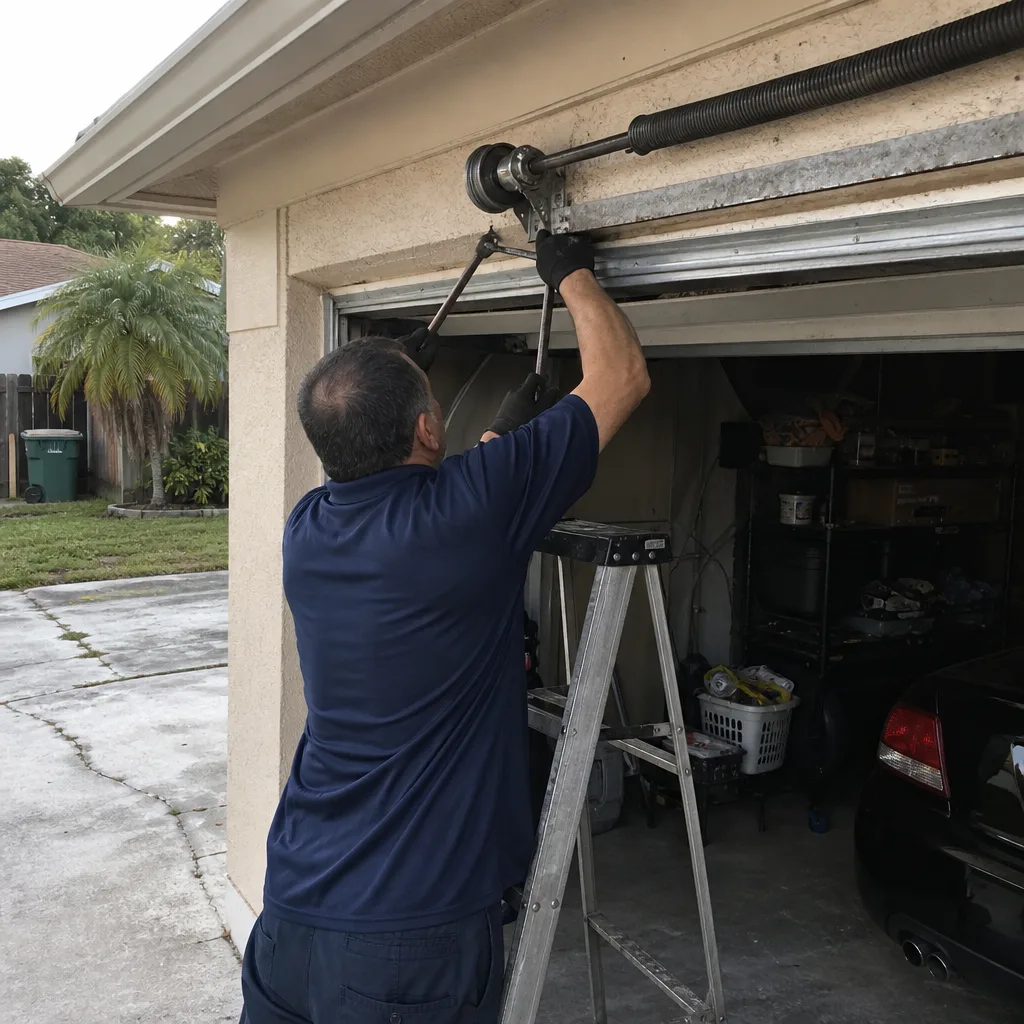 Before
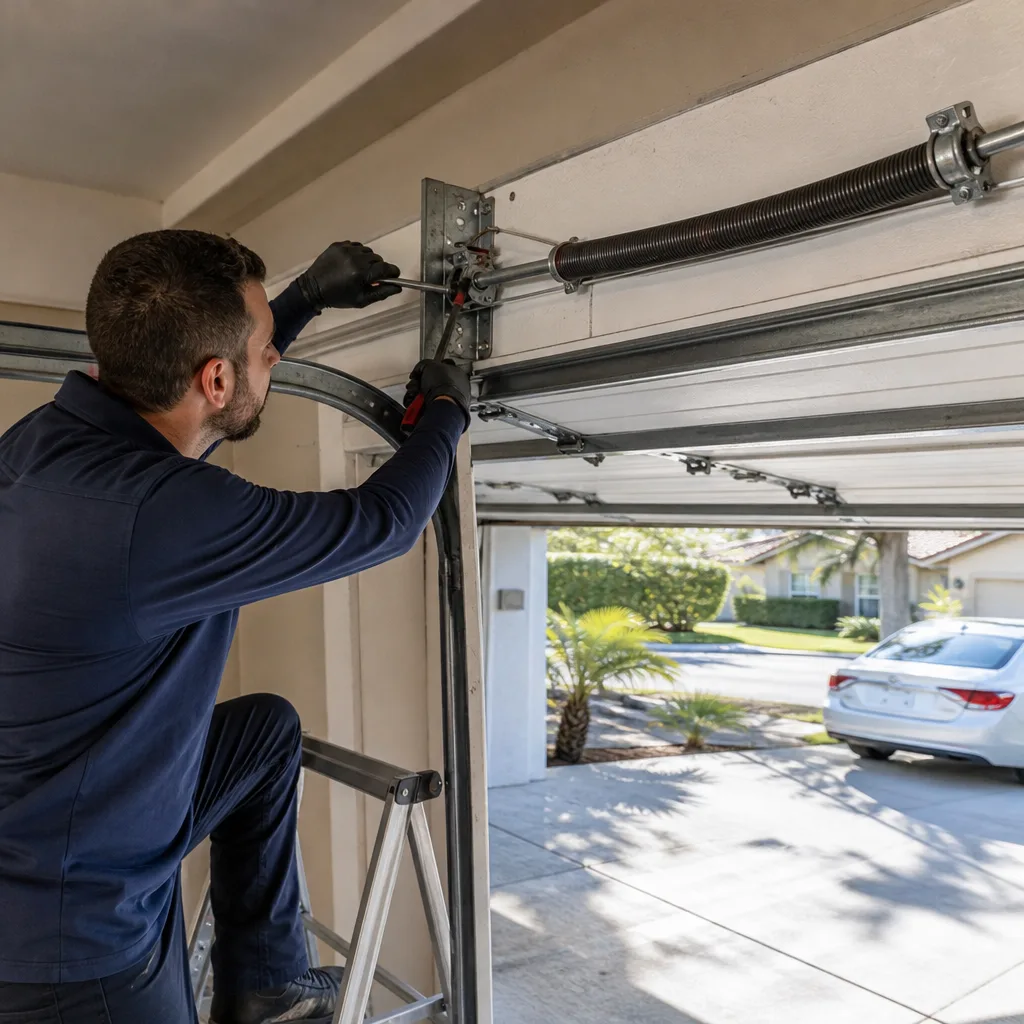 After
After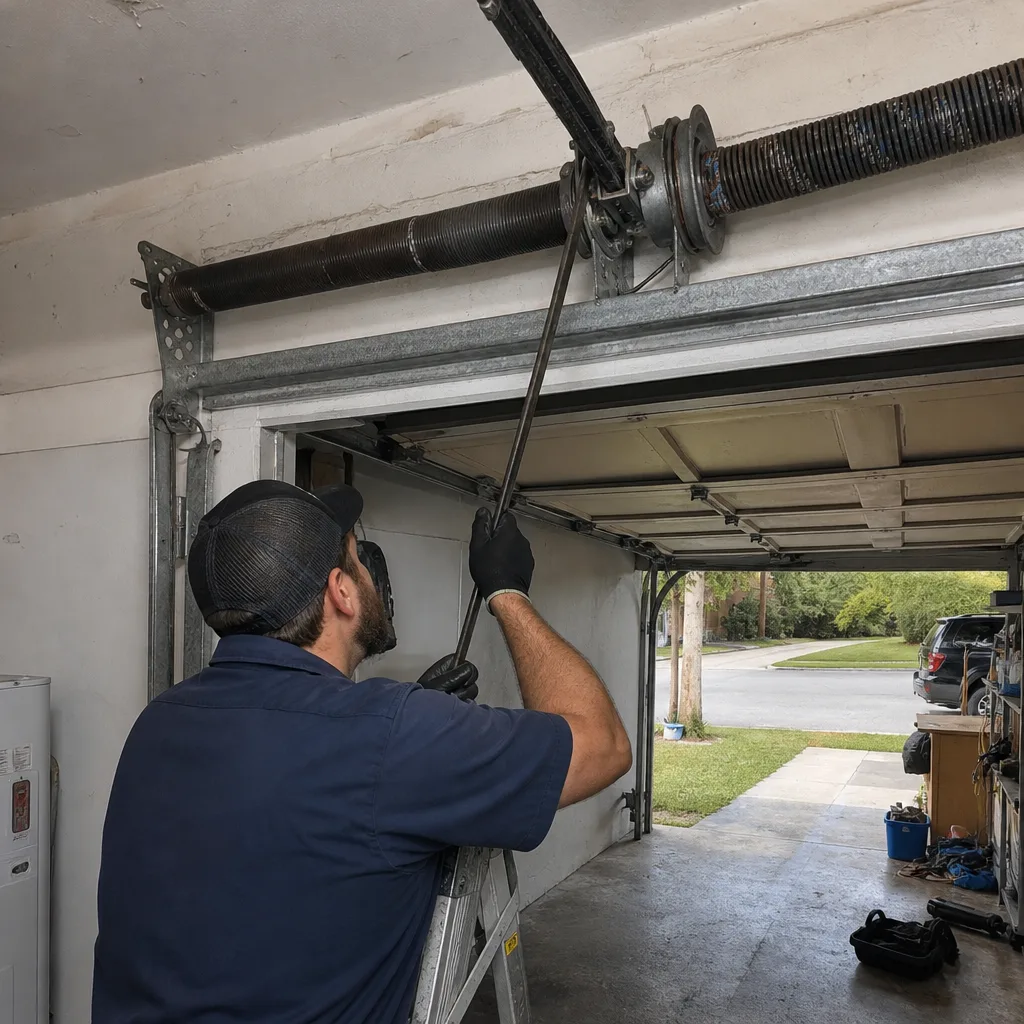 Before
 After
After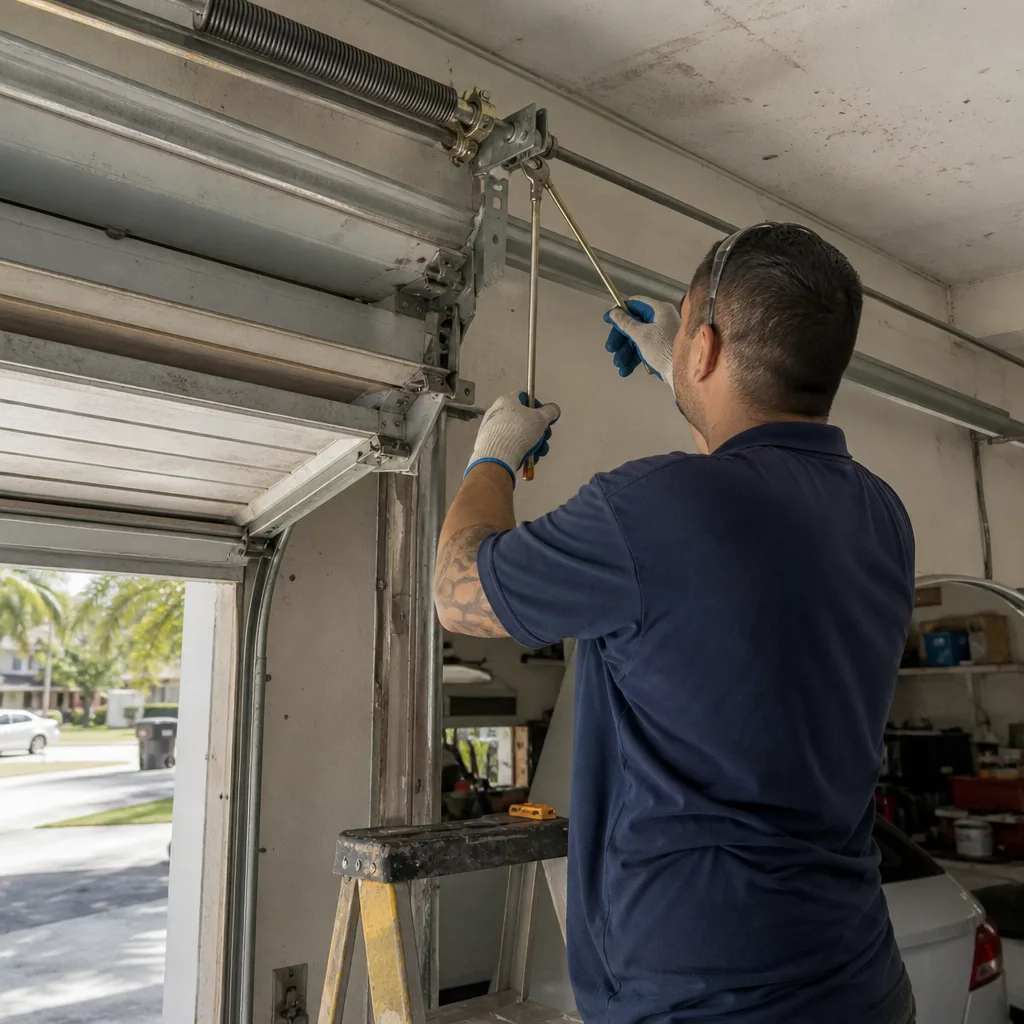 Before
 After
After