
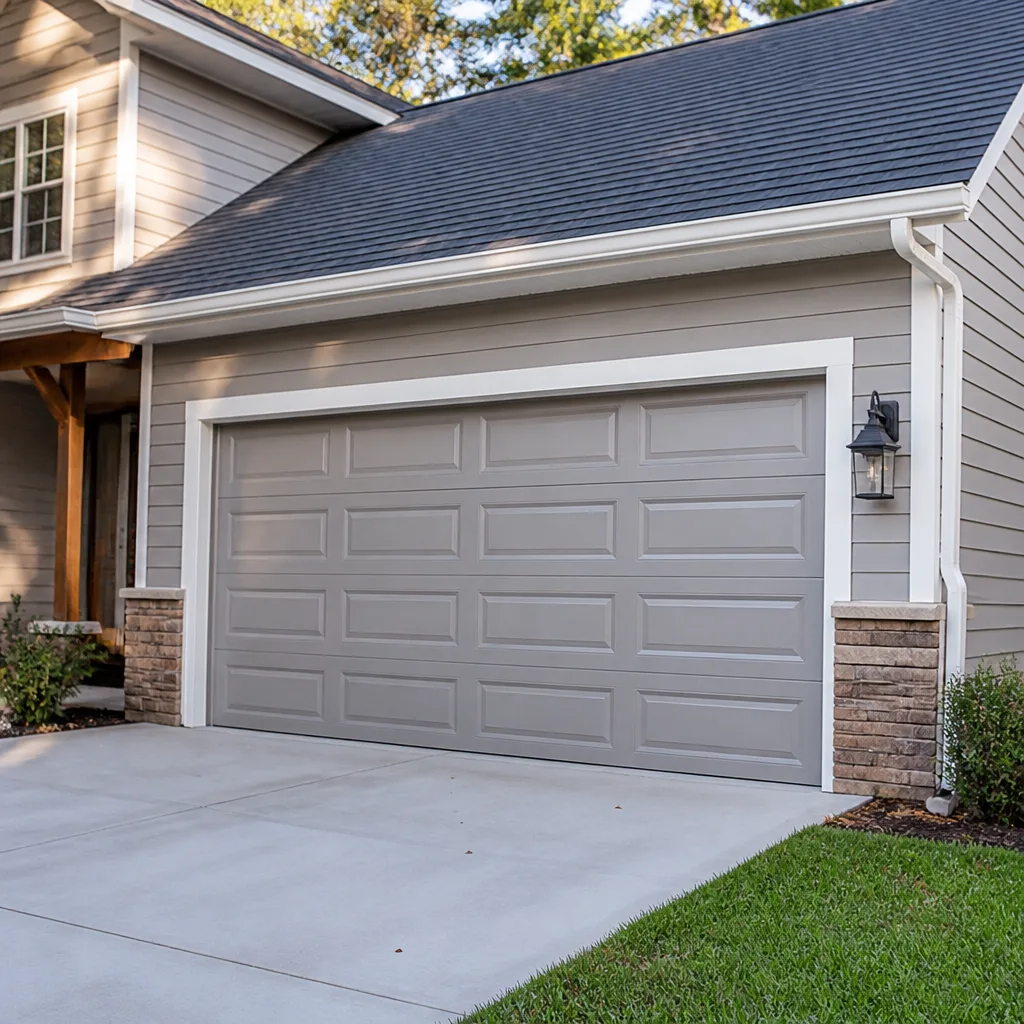
 Raised-panel steel
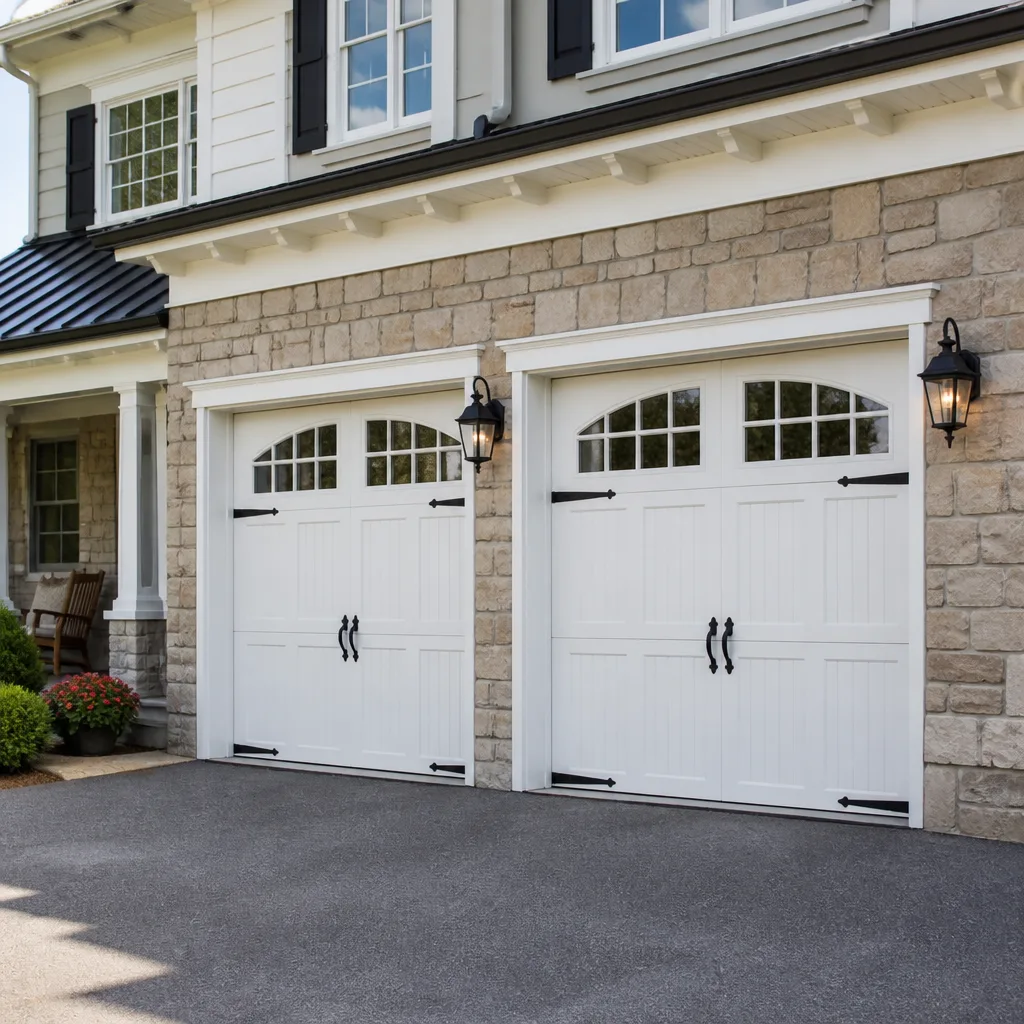 Carriage house
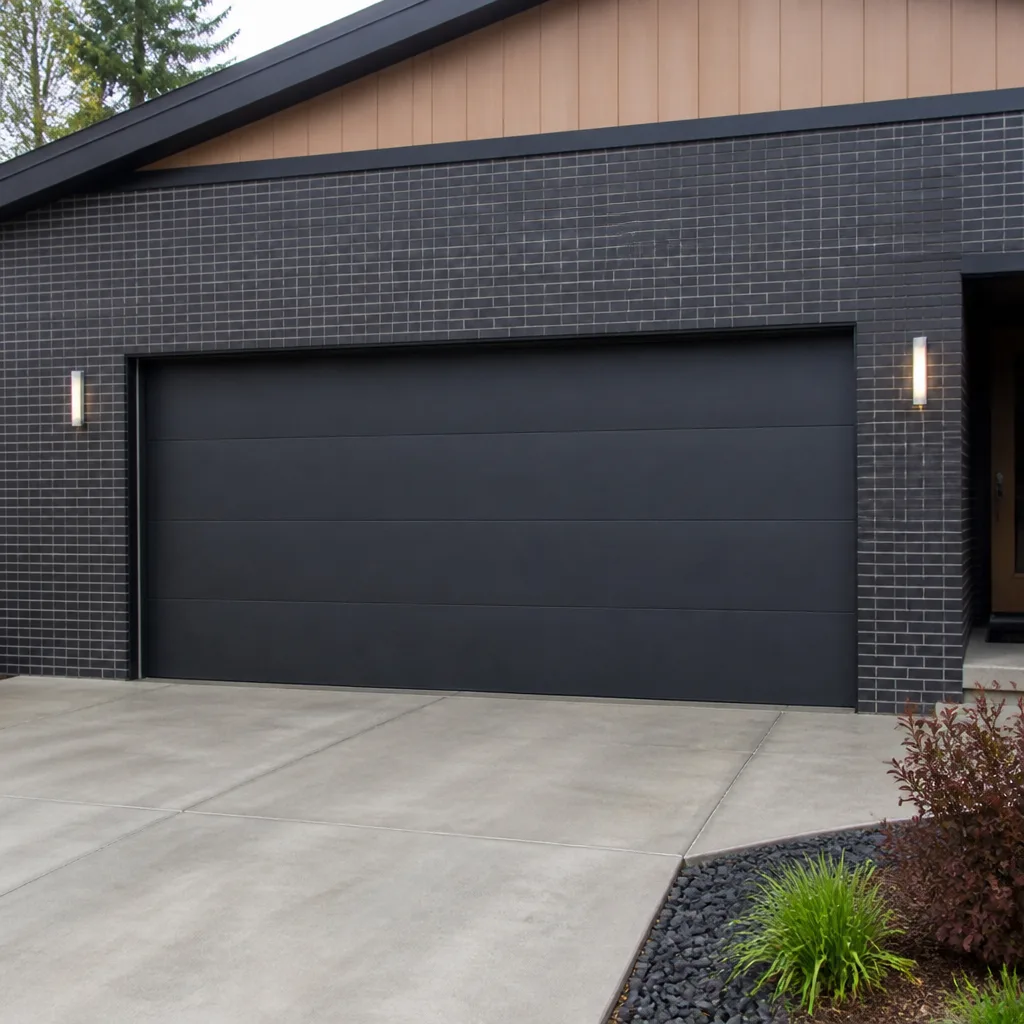 Modern flush
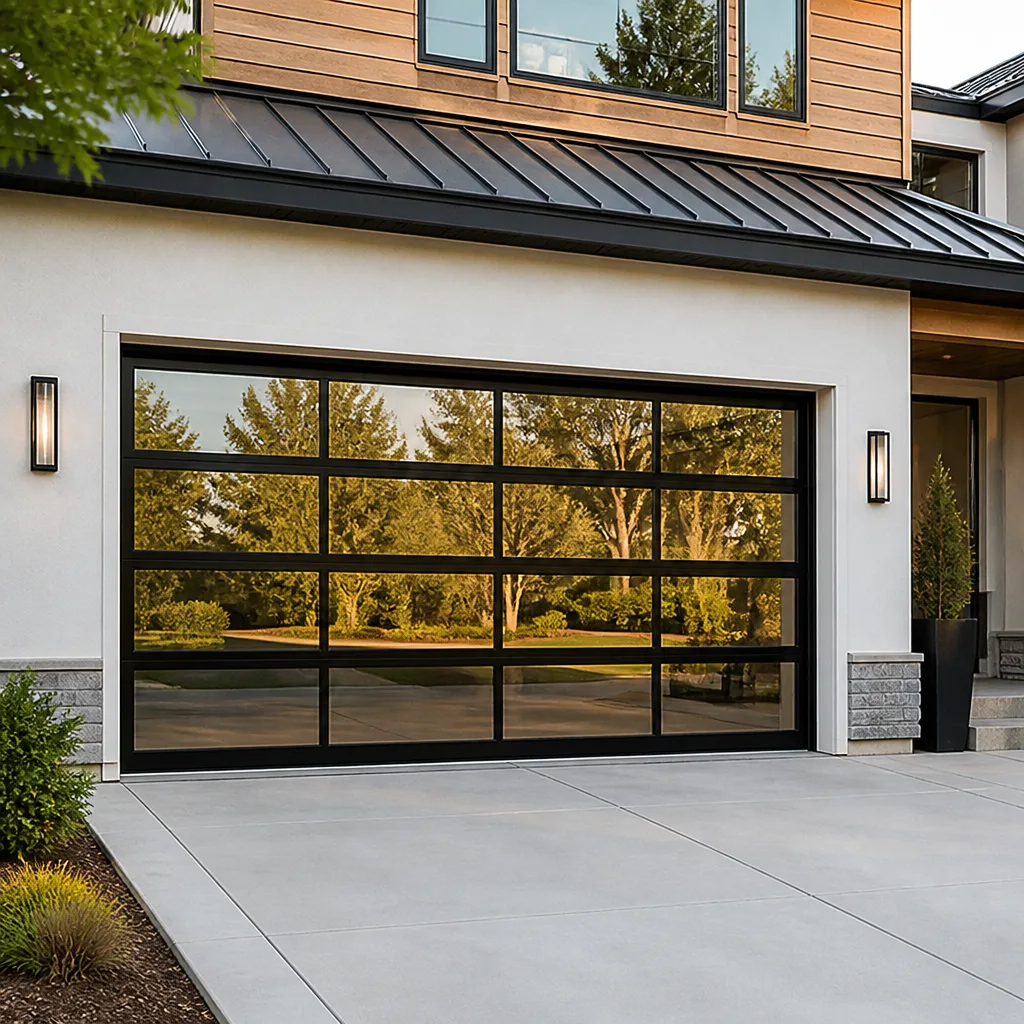 Full-view glass
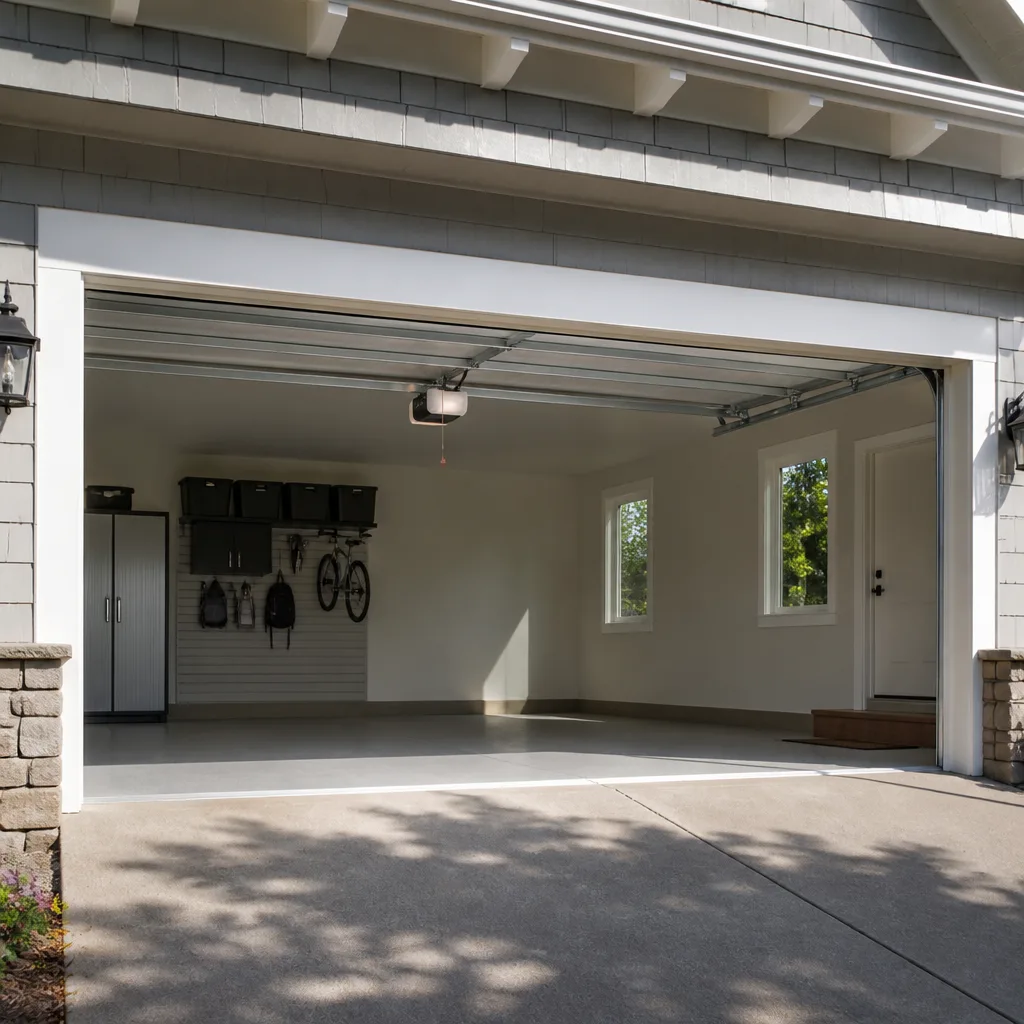 LiftMaster openers
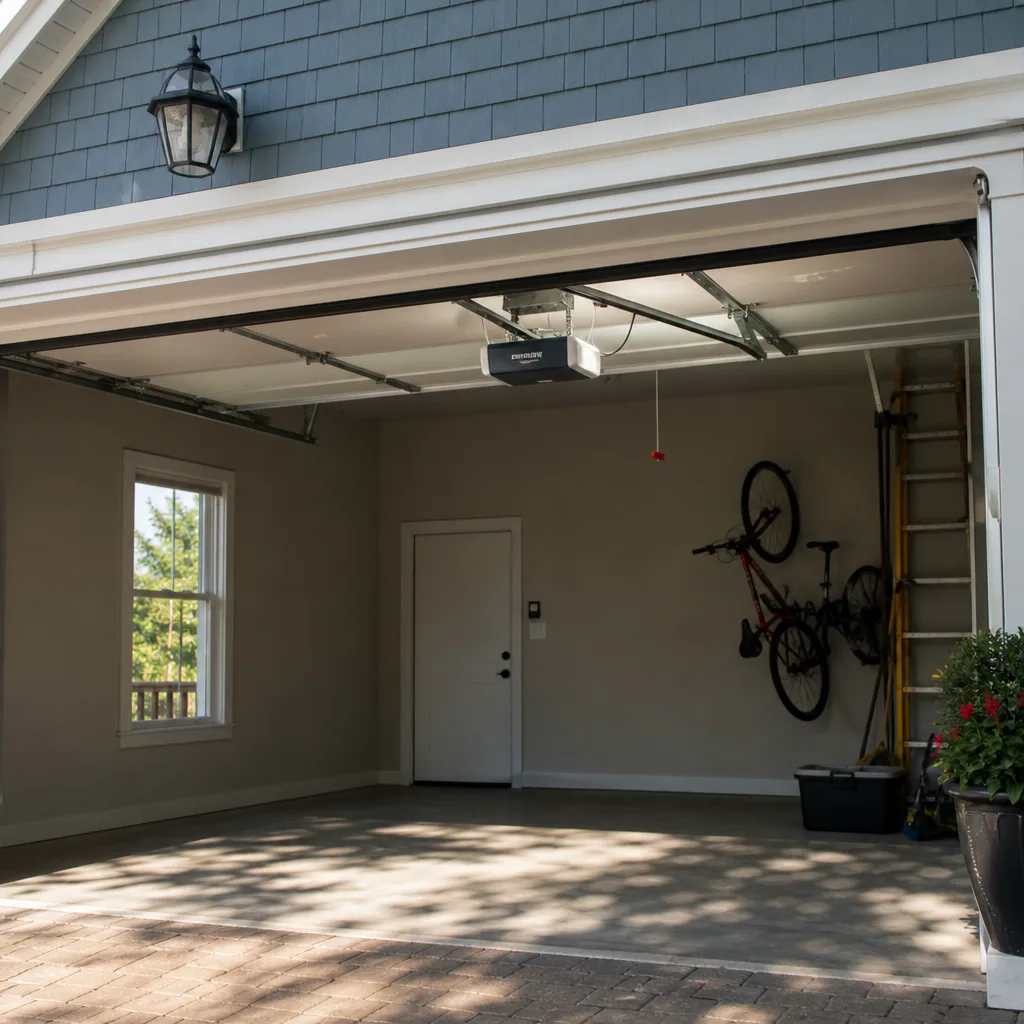 Chamberlain openers
Full 25-point door and opener safety check with every visit - springs, cables, rollers, tracks, and your LiftMaster or Chamberlain opener included
You get a price before we start. It does not change when the truck arrives.
Get your free estimateClopay Weather Seal Replacement: The Miami Owner’s Guide
Clopay weather seal replacement in Miami typically runs $85 – $145 installed, depending on the door model, seal profile, and how much of the bottom retainer needs attention. We carry Clopay-compatible seals on our trucks, so most Miami calls are handled same-day. You’ll usually spot the problem when daylight shows under the door, water seeps in after a downpour, or you feel hot air blowing across the garage floor.
Most homeowners in Miami discover a failed seal the morning after a heavy thunderstorm. Water pooled near the water heater, leaves blown into the corner, or a lizard that found its way inside. The seal itself is simple: a flexible rubber or vinyl strip that runs along the bottom of the door, pressed into an aluminum or steel retainer channel. When it cracks, flattens, or pulls loose, the door stops sealing against the concrete. On a Clopay door, the seal isn’t universal. It matches the door’s bottom profile, thickness, and the retainer Clopay shipped with that series. Getting the wrong profile means a seal that falls out or drags sideways the first time the door cycles.
Key takeaways:
- Installed replacement usually costs $85 – $145 in Miami, parts included.
- We carry Clopay-compatible profiles for residential doors on the truck.
- Same-day service is available across most of Miami.
- The price is written before we start. It doesn’t change at the door.
Wade Mercer and our technicians have replaced enough Clopay seals in Miami to know exactly how Florida humidity accelerates rubber breakdown. Tell me what it’s doing wrong. I’ll tell you what it costs to fix it. No guesswork.
Which Clopay Models This Applies To
Clopay builds residential doors across several series lines: the Gallery, Coachman, Bridgeport, Classic, and Reserve collections. Most use one of three bottom-seal profiles: a T-style bulb, a U-channel astragal, or a round-bulb seal that slides into a retainer. The retainer itself is either factory-mounted to the bottom panel or screwed on after installation.
Here’s the compatibility gotcha many Miami homeowners discover the hard way: two Clopay doors can look identical from the garage floor and take completely different seals. The difference is the retainer channel width, usually 3/16 inch, 1/4 inch, or 5/16 inch. If you guess wrong, the seal won’t seat. It’ll sag, bind against the track, or pull loose within a few cycles. We measure the channel and verify the profile before anything goes in.
We also stock quality aftermarket equivalents that match Clopay bulb diameters and T-channel dimensions. For most residential doors, a vinyl-blend seal from a reputable aftermarket supplier works as well as the OEM strip and costs less. We’ll tell you which one makes sense for your series. Brock Garage Doors Miami is an independent service provider, not affiliated with Clopay, so we match the right profile by measurement rather than loyalty to a brand label.
Styles & brands we work with
Signs Your Clopay Weather Seal Replacement Is Failing
- Daylight visible under the door. The seal has flattened or torn away from the retainer in at least one spot. Miami’s heat and humidity harden rubber faster than drier climates, and once the material loses its flex, gaps open up.
- Water pooling inside after rain. The asphalt just outside Miami garage slabs tends to slope toward the door. When the seal can’t press evenly against the concrete, water rides the low spots straight in.
- Leaves, dirt, or insects getting in. A small tear at the corner is enough for debris to enter. You’ll often spot this before any serious water damage shows up.
- A ragged, chipped, or crumbling edge along the strip. Rubber seals in Miami break down from ozone exposure, salt air, and garage chemicals. Once the edges start flaking, the strip is past saving.
- Unusual scraping or dragging when the door closes. A seal that’s pulled loose from the retainer can hang down and drag against the floor or track. That friction worsens the tear every cycle.
If you’re seeing one or more of these, the fix is straightforward and usually takes under an hour. The longer a failed seal sits, the more heat, water, and pests work their way in, which is how a $100 part turns into a warped bottom panel or rusted track hardware.
See the difference
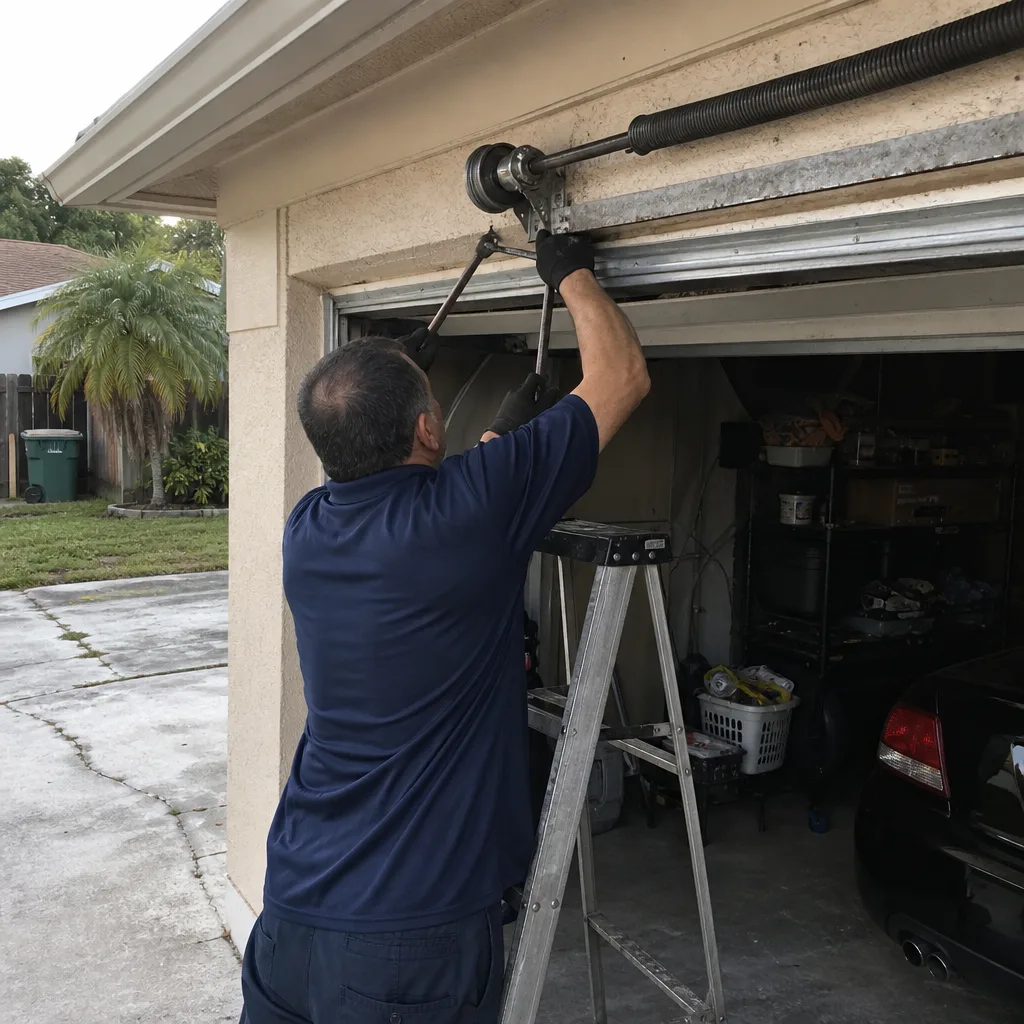 Before
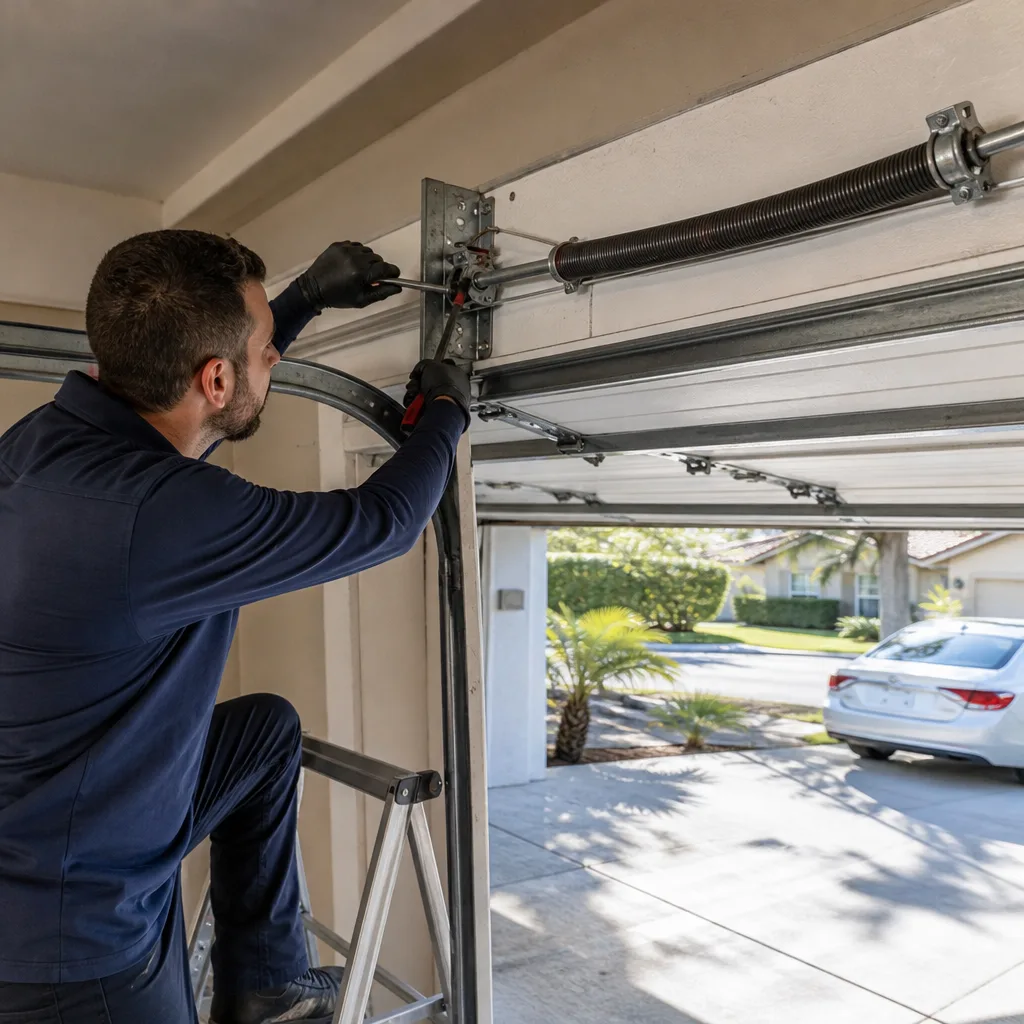 After
After Before
 After
After Before
 After
AfterReplacement Cost & What’s Included
Installed Clopay-compatible weather seal replacement in Miami runs $85 – $145 for a standard single or double residential door. The spread depends on three things: the seal profile, whether the bottom retainer needs replacement or just the rubber strip, and how long the door is. A 16-foot double door uses more material than a 9-foot single and the labor takes a little longer.
Here’s how the cost breaks out:
- Seal material: $15 – $40 depending on length and profile
- Bottom retainer replacement (if needed): $25 – $60
- Labor, including cleanup and cycle testing: $45 – $60
Every job includes a written price handed over before work begins. The invoice matches the quote, no exceptions. If the seal fails within 365 days, our Done Right Promise covers the replacement at no charge, in writing. You also get a full-year guarantee on the labor, not just a verbal promise that fades after the truck leaves.
DIY or Call Us?
Replacing a weather seal isn’t dangerous in the way spring work is, but it’s easy to get wrong. You can check the retainer channel width yourself with a caliper or a piece of cardboard cut to fit. You can also inspect the seal for tears and note where any gaps are. Where homeowners trip up is forcing the wrong profile in, then watching the seal sag a week later, or bending the retainer screws so the next replacement becomes a bigger job.
If the retainer is already damaged or the door is out of level, a new strip won’t fix the actual problem. Miami concrete slabs settle, and a door that’s off-level will burn through a new seal within months. We check the door’s travel and level before anything gets installed. If the panel or track is out of adjustment, we’ll tell you before you spend money on a seal.
If you’d rather skip the guesswork, call us at (850) 403-9654. We’ll measure, match, and install the right Clopay-compatible seal, and the price is locked before we pick up a tool.
FAQs
A Clopay weather seal in Miami’s heat and humidity typically lasts 2 to 4 years before it hardens, tears, or loses its flex. Doors facing direct afternoon sun or close to the ocean may need replacement sooner. We recommend checking the seal at the start of every hurricane season.
No, a torn or flattened Clopay weather seal should be replaced, not patched. Adhesives and splice kits fail quickly against Miami temperature swings, and the repaired section will separate within months. A full replacement is cheaper than repeated patch jobs.
Most Clopay weather seal replacements take 30 to 60 minutes from start to finish. We measure the channel, cut the new seal to length, install it, and cycle the door several times to confirm it seats and closes without dragging.
Yes, our trucks stock Clopay-compatible weather seal profiles for most residential Clopay series, plus replacement retainers for the common channel widths. We also carry parts for LiftMaster, Chamberlain, and Genie openers, so if there’s a second issue, we can address it on the same visit.
Call (850) 403-9654 for an exact quote. Estimates are free, and a real person answers around the clock.
Written by Wade Mercer, Owner, Brock Garage Doors Miami at Brock Garage Doors Miami, serving Miami and nearby areas.