
Last updated October 16, 2026
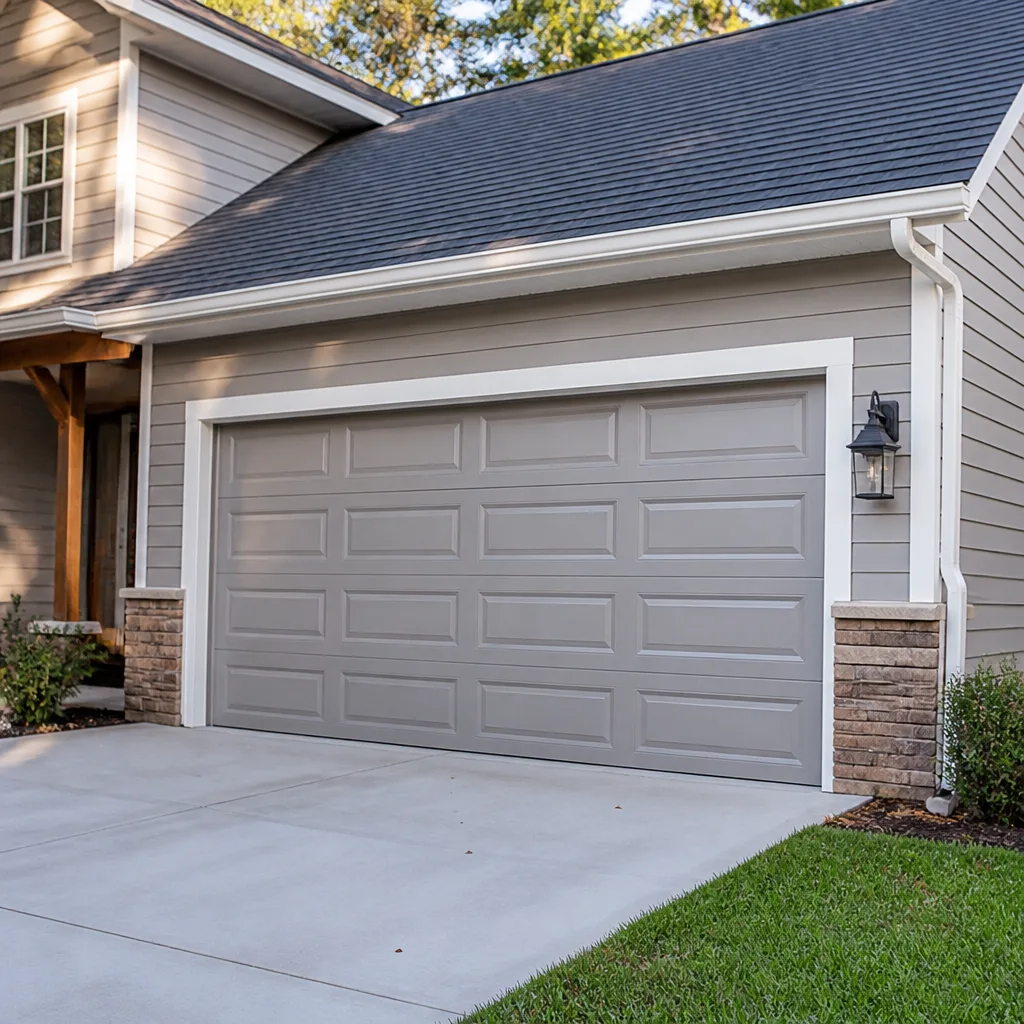 Raised-panel steel
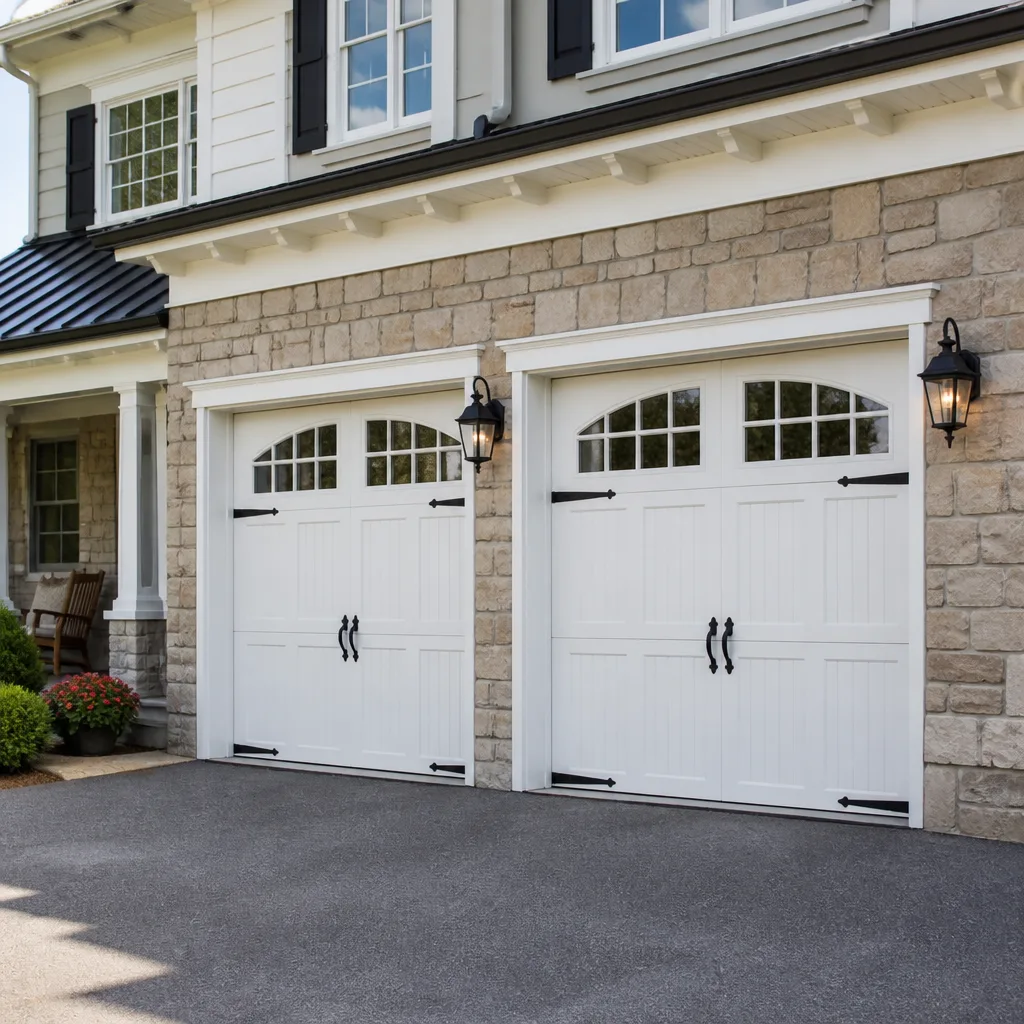 Carriage house
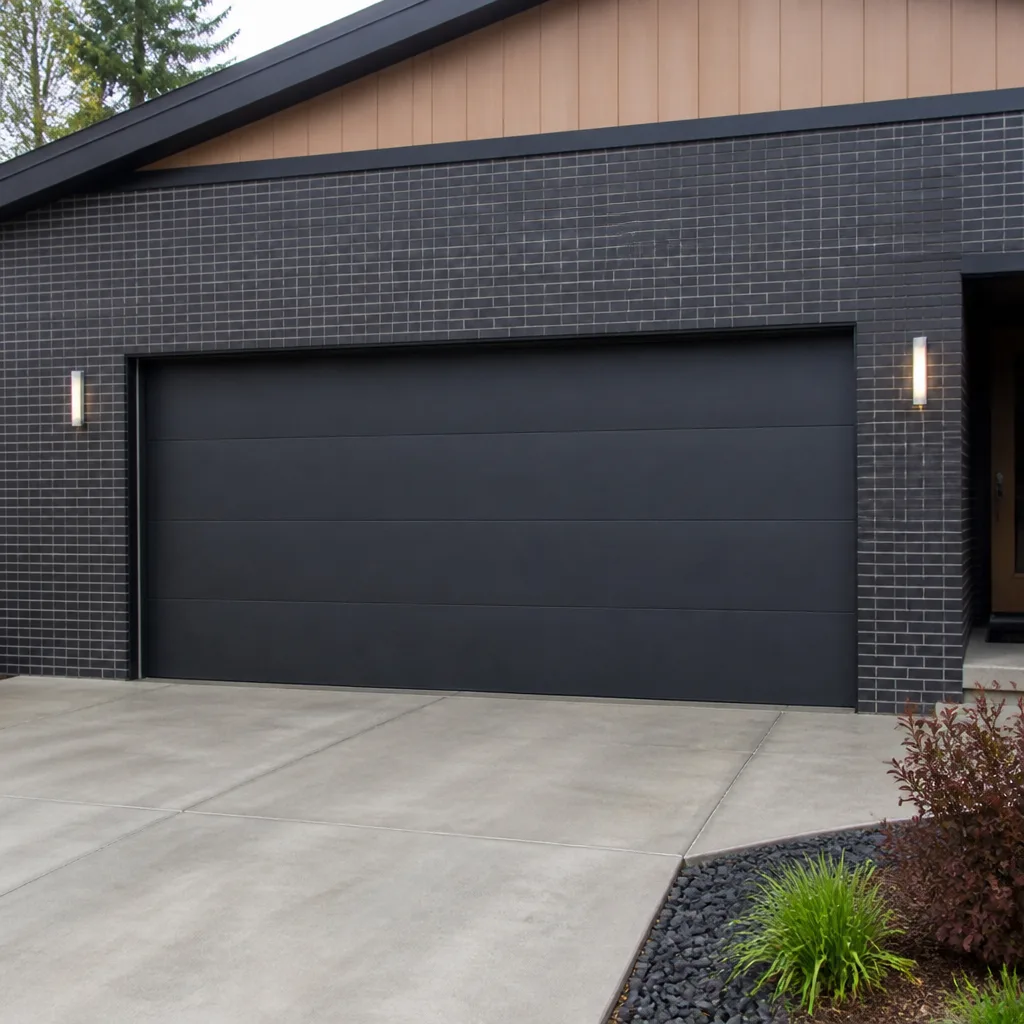 Modern flush
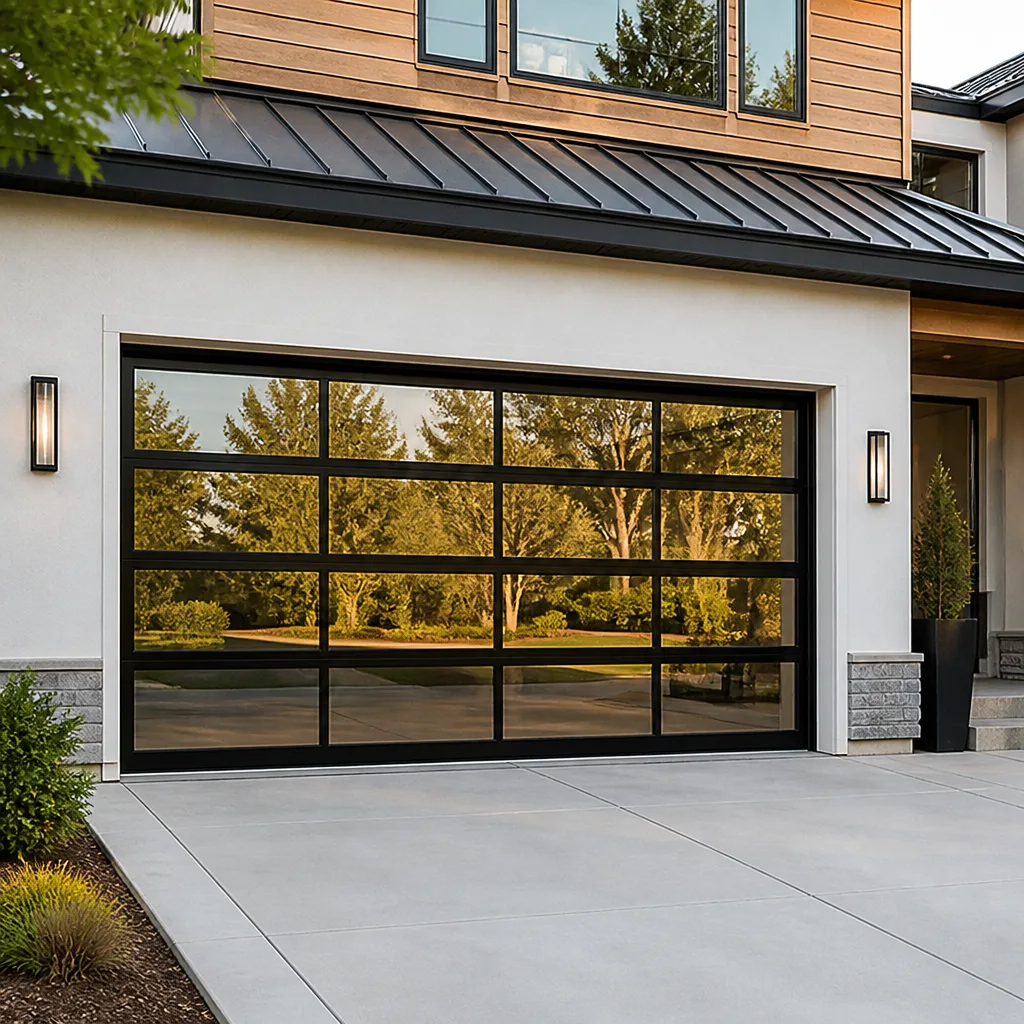 Full-view glass
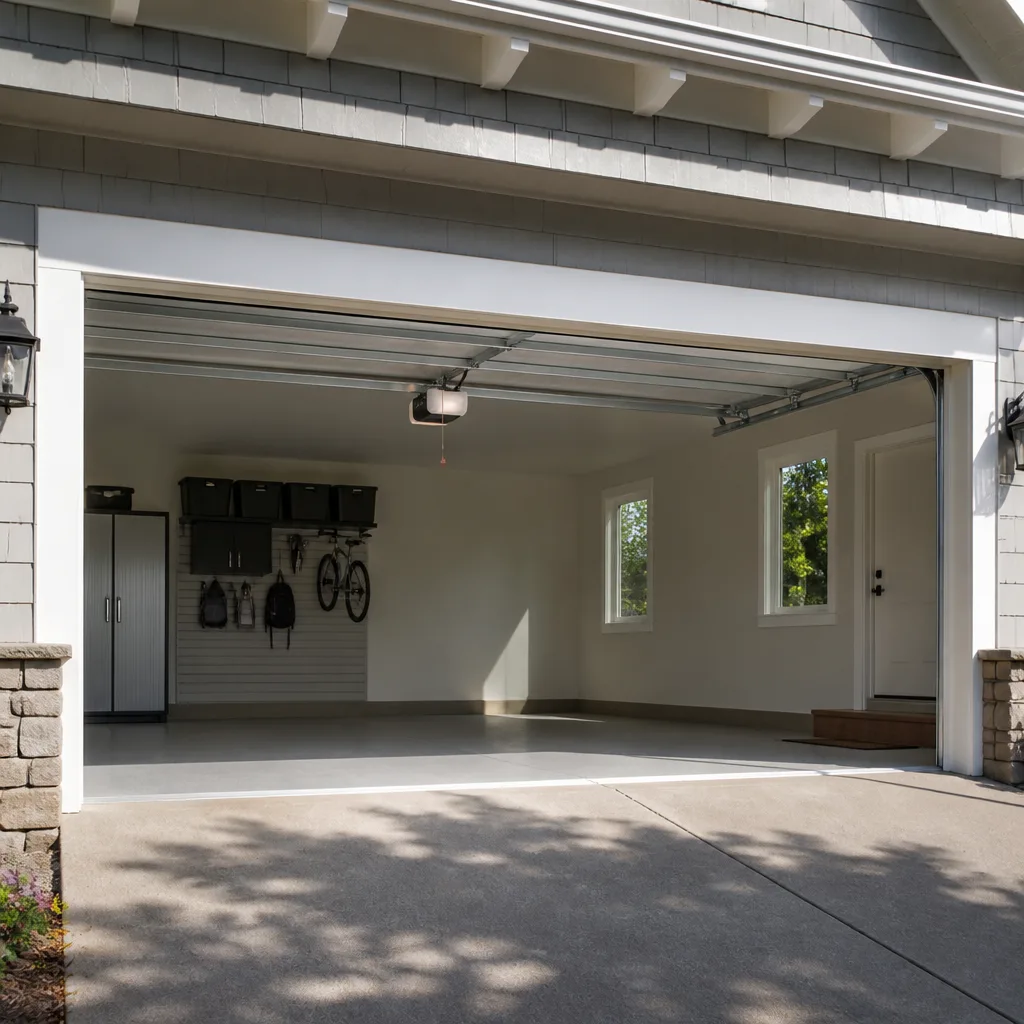 LiftMaster openers
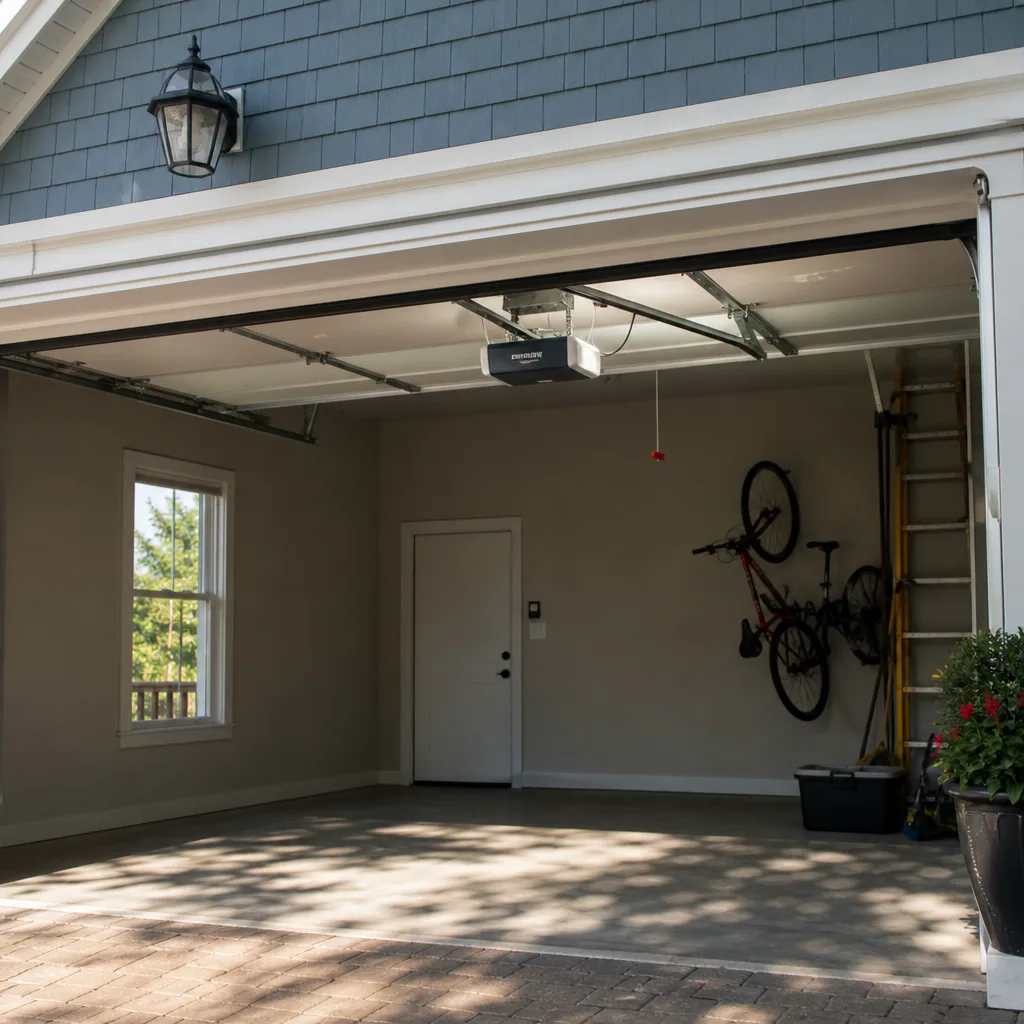 Chamberlain openers
Full 25-point door and opener safety check with every visit - springs, cables, rollers, tracks, and your LiftMaster or Chamberlain opener included
You get a price before we start. It does not change when the truck arrives.
Get your free estimateSeasonal Garage Door Care for Miami: Year-Round Homeowner’s Guide
The traditional spring-and-fall garage door maintenance schedule was written for climates where weather misbehaves twice a year and behaves the rest of it. Miami doesn’t work that way. Here, the garage door faces two punishing seasons back to back: hurricane season from June through November, and the humidity peak that follows it. This guide rewrites seasonal care around the actual Miami calendar, so you’re inspecting the right components at the right time, not following a template built for Ohio. For a broader look at installation, repairs, and care, see our Complete Guide to Garage Door in Miami.
Styles & brands we work with
Quick Answer
Seasonal garage door maintenance in Miami should follow a two-season framework: pre-storm preparation during April and May, and post-storm recovery plus dry-season servicing between November and March. The most important tasks are checking and tightening the six mechanical points that determine whether a hurricane-rated door performs as rated, cleaning salt and humidity-driven corrosion from tracks and hardware during the dry months, and running a simple pre-storm shutdown and post-storm reset sequence before and after any named storm. A trained technician should handle anything involving torsion springs, cables under tension, or door balance adjustment.
Table of Contents
- Why Miami Needs Its Own Maintenance Calendar
- Pre-Storm Preparation: April and May
- The Six Mechanical Points That Matter Before a Storm
- Pre-Storm Shutdown Sequence Homeowners Can Run
- Post-Storm Protocol: November and December
- The Dry-Season Maintenance Window: January Through March
- What to Do Yourself vs. What Needs a Technician
- Common Mistakes to Avoid
- When to Call a Professional
- Frequently Asked Questions
- The Bottom Line
Why Miami Needs Its Own Maintenance Calendar
In most of the country, garage door maintenance follows temperature: lubricate before winter, tighten after spring thaw, repeat. In Miami, the driver is moisture and wind. Salt air from the Atlantic, daily humidity that regularly sits above 80 percent, and the structural stress of hurricane-force gusts create a different set of failure points. We’ve seen torsion springs in Miami coastal neighborhoods rust through in under four years, where the same spring inland would last seven or eight.
The Miami garage door calendar breaks into three practical windows:
- April through May: Pre-storm preparation. Inspect, tighten, and correct anything that would compromise the door before the first named storm of the season.
- June through November: Active hurricane season. Minimal scheduled work; run the pre-storm shutdown sequence when a watch is issued, and run the post-storm reset after any event that brought high winds or heavy rain.
- November through March: Dry-season maintenance. This is the window for corrosion treatment, relubrication, part replacement, and any repair deferred during the storm months.
That framework covers the entire year without borrowing anything from a four-season playbook. The rest of this guide walks through each window in detail, including exactly what to check and what to leave to a technician.
Pre-Storm Preparation: April and May
The weeks between mid-April and late May are the most important maintenance window of the year in Miami. Once hurricane season starts on June 1, a door that hasn’t been checked is a liability. The goal during this window is simple: make sure the door will perform as rated if a storm hits.
Here’s what a complete pre-storm check involves, in order of importance:
- Test the balance. Disconnect the opener by pulling the red release handle, then lift the door manually to the halfway point. A properly balanced door stays put. If it drops or rises, the springs are fatigued and the door needs professional attention. A garage door repair in Miami call in April costs far less than an emergency call in September.
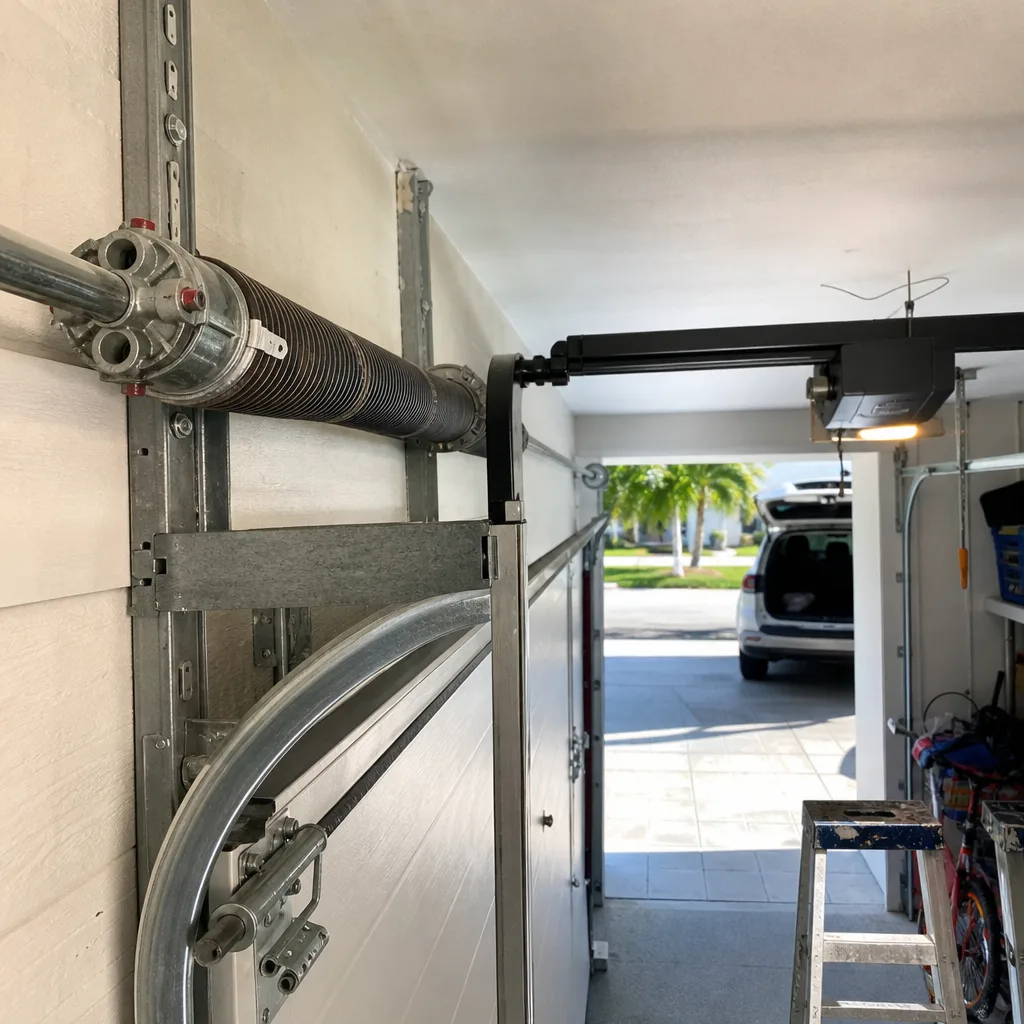
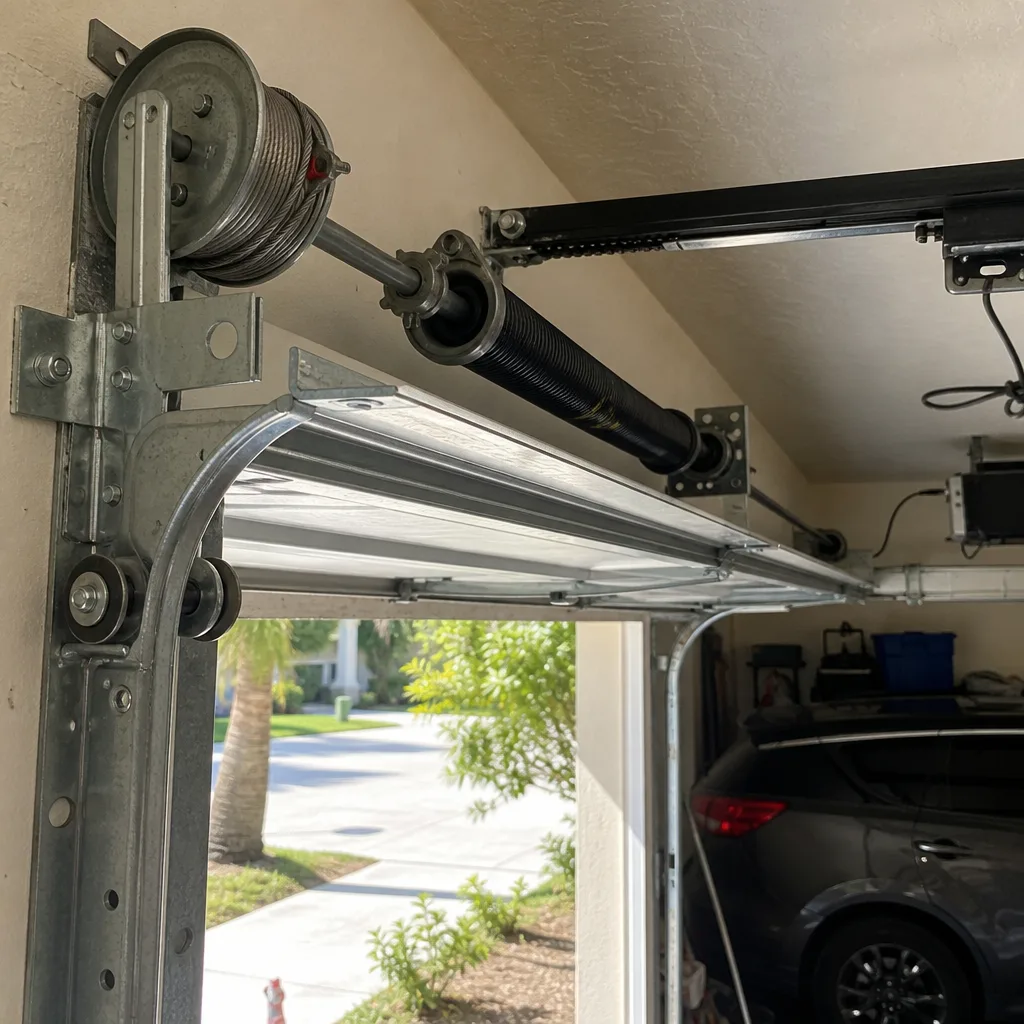
- Inspect torsion springs. Look at the spring mounted above the door. Surface rust, gaps in the coil, or visible wear marks mean the spring is nearing the end of its life. These springs bear the full lifting load, and when they break, they release stored energy violently. Do not touch them. Have a technician evaluate them.
- Check cables for fraying. The cables that run along each side of the door should be smooth and taut. Any frayed strands or kinks mean the cable is about to fail. Cable failure under storm load can drop the door off-track. Most garage door cable repairs in Miami run $150 – $275 depending on cable type and drum condition, and the work takes about an hour.
- Test the opener’s force settings. Close the door on a 2×4 laid flat on the ground. If the door doesn’t reverse within a second or two of contact, the force setting is too high and needs adjustment. This matters during storms because wind pressure against the door can confuse the opener’s sensors.
- Tighten all track bolts and brackets. Loose hardware amplifies wind vibration. Walk the length of both tracks with a socket wrench and snug everything up. Don’t overtighten; the tracks need slight play for thermal expansion.
- Clear the photo-eye sensors. Align and clean both sensors at the base of the door opening. Dirty or misaligned sensors are the most common reason doors refuse to close, and that’s the last thing you want to discover as a storm approaches.
If any step reveals a problem you can’t resolve with a wrench and cleaning rag, call before June 1. Once a storm enters the Gulf, every reputable garage door company in Miami is booked for days.
The Six Mechanical Points That Matter Before a Storm
Miami-Dade County enforces some of the strictest wind-load requirements in the country for garage doors. A hurricane-rated door is engineered to withstand specific wind pressures, but that rating assumes the door is in sound mechanical condition. After years of use, even a rated door can underperform. These are the six points we check on every pre-storm inspection:
- Torsion spring condition. The spring is the muscle of the door. A fatigued spring can’t hold the door closed against sustained wind pressure, which allows the door panels to flex and pull away from the track.
- Track fasteners and wall brackets. Wind load transfers through the tracks into the building structure. Loose lag bolts or wall brackets mean that load has nowhere to go except into the door itself.
- Bottom weather seal. A torn or compressed seal lets wind-driven rain into the garage and reduces the door’s ability to shed water. In Miami’s coastal areas, this also lets salt spray into the garage, accelerating corrosion on everything inside.
- Hinge and roller condition. Worn hinges allow panel separation under load. Worn rollers cause binding, which makes the opener work harder and increases the chance of a mid-storm failure.
- Center support strut. The horizontal strut across the top panel resists inward bowing during high wind. If it’s bent, rusted through, or missing fasteners, the door loses significant wind resistance.
- Opener force and travel settings. An opener that’s fighting the door burns out faster and generates excess heat. Correct settings reduce strain during normal operation and prevent mid-cycle reversals when wind gusts press against the panels.
Each of these points is visible without removing any components, and a careful homeowner can inspect most of them in under 20 minutes. The exception is the torsion spring, which should never be handled by anyone without the proper tools and training. Call a technician if you spot corrosion, gaps, or uneven coil spacing.
Pre-Storm Shutdown Sequence Homeowners Can Run
When the National Hurricane Center issues a watch for Miami-Dade County, there’s a simple sequence you can run to leave the door in the safest possible configuration. This takes about five minutes and requires no tools beyond the red release handle already on your opener.
- Close the door fully. Do not leave it halfway. A fully closed door is far stronger than a partially open one because the panels support each other and the bottom seal engages the floor.
- Pull the red release handle. This disconnects the opener from the door. You do not want the opener’s motor, belt, or chain fighting wind gusts during the storm. A disconnected door moves only with manual force.
- Slide the manual lock bolt into place if your door has one. Many older Miami homes have a slide bolt lock on the interior track. Engage it. This adds a physical anchor point that prevents the door from lifting under pressure.
- Close the door from your garage to the house and lock it. This isn’t a mechanical step, but it matters: a garage door that fails during a storm becomes a wind tunnel into your home. Keeping that interior door closed and locked preserves your home’s structural envelope even if the garage door sustains damage.
- Unplug the opener if flooding is forecast. Water and electricity don’t mix. If your garage is in a flood zone, unplug the opener and any other powered equipment in the garage before you evacuate or shelter in place.
After you’ve run this sequence, leave the door alone until the storm has fully passed. Do not cycle the door during high winds. Every cycle places additional stress on components that are already under load.
Post-Storm Protocol: November and December
When a storm passes without a direct hit, the natural instinct is to assume the door survived intact and move on. That assumption is the reason so many Miami garage doors fail in December and January. A near-miss or indirect storm event exposes the door to sustained wind pressure, flying debris, and salt-saturated rain, any of which can create damage that isn’t visible from the driveway.
Before returning to normal use after any storm that brought tropical-storm-force winds or heavier rain to your neighborhood, run this reset sequence:
- Visually inspect the outside face of the door. Look for dented panels, lifted weather seal, and debris wedged between panels. Dents in the top panel are especially significant because that panel carries the most wind load.
- Reconnect the opener. Pull the release handle toward the opener until you hear it click. Then run the opener once to confirm the carriage re-engages smoothly.
- Cycle the door three times, watching and listening. Any grinding, squealing, or hesitation is a sign of damage or contamination from storm-driven grit.
- Check the tracks for alignment. Stand inside the garage and sight down each track. Bent or twisted track sections are a common storm casualty, even when the door itself looks fine.
- Test the auto-reverse function. Place a 2×4 flat on the floor under the door and close it. If the door doesn’t reverse on contact, the safety system needs service before the door is safe for daily use.
- Wipe down exposed metal with a dry cloth. Salt residue from storm spray accelerates corrosion faster than normal humidity. A quick wipe of the tracks, hinges, and springs removes the worst of it.
Doors that “seem fine” after a storm are the ones that surprise homeowners weeks later with a snapped cable or a spring that lets go at 7 a.m. on a workday. The 20 minutes this sequence takes are cheap insurance and a good alternative to an emergency repair call in December.
The Dry-Season Maintenance Window: January Through March
Miami’s humidity dips between January and March, and that lower moisture level makes this the right window for tasks that require clean, dry conditions: corrosion treatment, relubrication, and part replacement. It’s also the slow season for garage door companies, which means shorter lead times and more scheduling flexibility.
Here’s what to tackle during the dry-season window:
- Corrosion treatment on tracks and hardware. Damp-season humidity leaves a film of oxidation on exposed steel. The dry months are the only time you can properly clean and treat this without the treatment washing away. Use a wire brush on visible rust, then wipe with a dry cloth. Don’t apply moisture-displacing spray to the tracks themselves; it attracts dust and creates paste. A dry silicone lubricant is the right call for tracks and rails.
- Relubrication of moving parts. The torsion spring, hinges, and rollers all need periodic lubrication to prevent binding and premature wear. White lithium grease works well on hinges and roller ball bearings. The spring should get a light coat of spray lubricant along its entire length. Wipe away excess, which in Miami’s humidity becomes a dirt magnet.
- Weather seal replacement. The bottom seal takes abuse year-round from heat, rain, and salt air. If it’s cracked, flattened, or pulling away from the retainer, the dry season is the time to replace it. A new seal keeps out rain, debris, and the humidity that corrodes everything else in the garage.
- Panel and paint inspection. Miami’s UV exposure fades and degrades door finishes faster than almost anywhere in the country. Inspect for bubbling paint, exposed metal, or fiberglass delamination. Address these now, before summer storms drive moisture into the substrate.
- Opener maintenance. Check the opener’s belt or chain tension, test the force settings, and replace the drive gear if it’s making noise. Opener failures spike in June and July, when heat and humidity are at their worst. Deal with it in February instead.
If your door is more than 12 years old, the dry-season window is also the time to plan for replacement. Lead times for new doors and parts are shorter in February than in August, and you’ll have the install complete before hurricane season returns.
What to Do Yourself vs. What Needs a Technician
Most of the maintenance in this guide falls into two categories: things you can safely do with basic hand tools, and things that require a trained technician with specialized equipment. Not sure which path to take? Our DIY vs Professional Garage Door guide breaks down the Miami homeowner’s decision. The line between them is drawn by stored energy. Components under tension can injure without warning.
Safe for most homeowners:
- Visual inspection of springs, cables, tracks, hinges, and rollers
- Tightening track bolts and wall brackets with a socket wrench
- Cleaning and aligning photo-eye sensors
- Lubricating hinges and rollers with white lithium grease
- Wiping down exposed metal after storms
- Running the pre-storm shutdown sequence
- Testing balance and auto-reverse (this tests, it doesn’t adjust)
Leave to a technician:
- Torsion spring replacement or adjustment. The spring bears hundreds of pounds of torque. When it releases, it releases instantly and without warning. This is the single most dangerous component on any garage door system, and the injury statistics bear that out.
- Cable replacement or re-spooling. Garage door cables run under tension and ride on drums. If a cable slips off the drum while under load, it becomes a projectile.
- Track realignment or replacement. Bent track sections require precise adjustment to keep the door balanced and safe.
- Opener force and travel adjustments beyond the basic user controls.
- Any repair where the door is partially open and supported by the spring system.
If you’re not sure which category a task falls into, err on the side of caution. The cost of a service call is small compared to the cost of a spring-related injury or a door that comes off its tracks.
Common Mistakes to Avoid
- Skipping the pre-storm check because the door “works fine.” A door can cycle normally while having dangerously fatigued springs or frayed cables. The failure shows up under stress, which is exactly when you need the door to hold. In our experience, the majority of September emergency calls in Miami are doors that cycled fine all spring.
- Using WD-40 on garage door tracks. WD-40 is a solvent, not a lubricant. It strips away protective coatings and attracts dust, which creates a gritty paste that accelerates roller wear. Use a dry silicone or white lithium product for hardware.
- Assuming a hurricane-rated door doesn’t need maintenance. The rating applies to a door in proper mechanical condition. Rusted springs, loose brackets, or worn hinges void the effective rating even if the door still carries its certification label.
- Leaving the opener connected during a storm. The opener’s carriage and rail add stress points that can bind under wind load. Disconnecting the opener takes five seconds and removes a failure mode.
- Waiting until June to schedule a pre-season inspection. Once hurricane season starts, good technicians are booked solid. Schedule in April or early May, before the first storm forms.
- Ignoring salt corrosion on coastal properties. Homes within a few miles of the ocean get salt exposure that inland Miami homes don’t. The corrosion timeline is significantly shorter. Coastal homeowners should inspect springs and cables every six months, not once a year.
When to Call a Professional
Certain situations call for a technician, no exceptions. If your door has a broken spring, a frayed or snapped cable, a door that’s come off its tracks, or an opener that’s making grinding noises, stop using the door and make the call. Continuing to cycle a door with any of these conditions damages the remaining components and risks a more serious failure. If your door is more than 10 years old and has never had a full inspection, scheduling one during the dry-season window is the best way to catch problems before they become emergencies. Brock Garage Doors Miami offers free estimates throughout Miami, and our garage door opener repair service in Miami covers all major brands, including Chamberlain and Genie. Call (850) 403-9654.
Frequently Asked Questions
Twice a year is the right cadence for Miami: once in April or May before hurricane season, and once in January or February during the dry season for corrosion and lubrication work. Homes within three miles of the coast should consider a third check after any direct storm event.
Torsion spring failure. The spring bears the full lifting load of the door, and a spring that’s been weakening over years gives out when the door is buffeted by sustained wind. A broken spring means the door won’t open, and because it works under extreme tension, it must be replaced by a professional using the correct tools.
Yes. You can inspect the springs and cables visually, tighten bolts, clean the sensors, test the balance, and run the pre-storm shutdown sequence. What you should not do is attempt to adjust or replace the springs, cables, or track. Those components are under tension and require specialized training and tools.
A standard garage door inspection in Miami typically runs $75 – $150, and many companies credit the inspection fee toward any repair you approve. For detailed pricing on new doors, openers, and repairs, see our Garage Door Cost Breakdown for 2026. At Brock Garage Doors Miami, we provide a written price for any repair before work begins, so you know the exact number before we touch anything. Call (850) 403-9654 for a free estimate.
Yes. Doors that “seem fine” after a storm frequently have hidden damage: loosened track bolts, salt contamination, subtle panel misalignment, or cable wear that would have been invisible before the event. The post-storm reset sequence in this guide takes about 20 minutes. If anything looks or sounds off during that sequence, call a technician before the problem compounds.
Our technicians are trained on eight major brands, including Chamberlain, Genie, Clopay, and Amarr, so the right fix is applied to your specific system rather than a generic workaround. We service all major opener brands and can advise on parts compatible with your existing setup.
The Bottom Line
Garage door maintenance in Miami isn’t optional, and it isn’t a fall-and-spring ritual borrowed from another climate. It’s a year-round discipline built around the two forces that actually break doors here: wind and water. Prepare in April and May, stay vigilant through the storm season, reset after every event, and use the dry months for corrosion work and replacement. The homeowners who follow this calendar are rarely the ones calling for emergency repairs in September. Explore more guides & resources to keep your door running year-round. For a free estimate on any garage door service in Miami, call Brock Garage Doors Miami at (850) 403-9654. Every job includes a written price before work begins and a repair backed in writing for 365 days. If it fails in that window, we return and make it right at no additional charge.
Written by Wade Mercer, Owner at Brock Garage Doors Miami, serving Miami since 2001.
See the difference
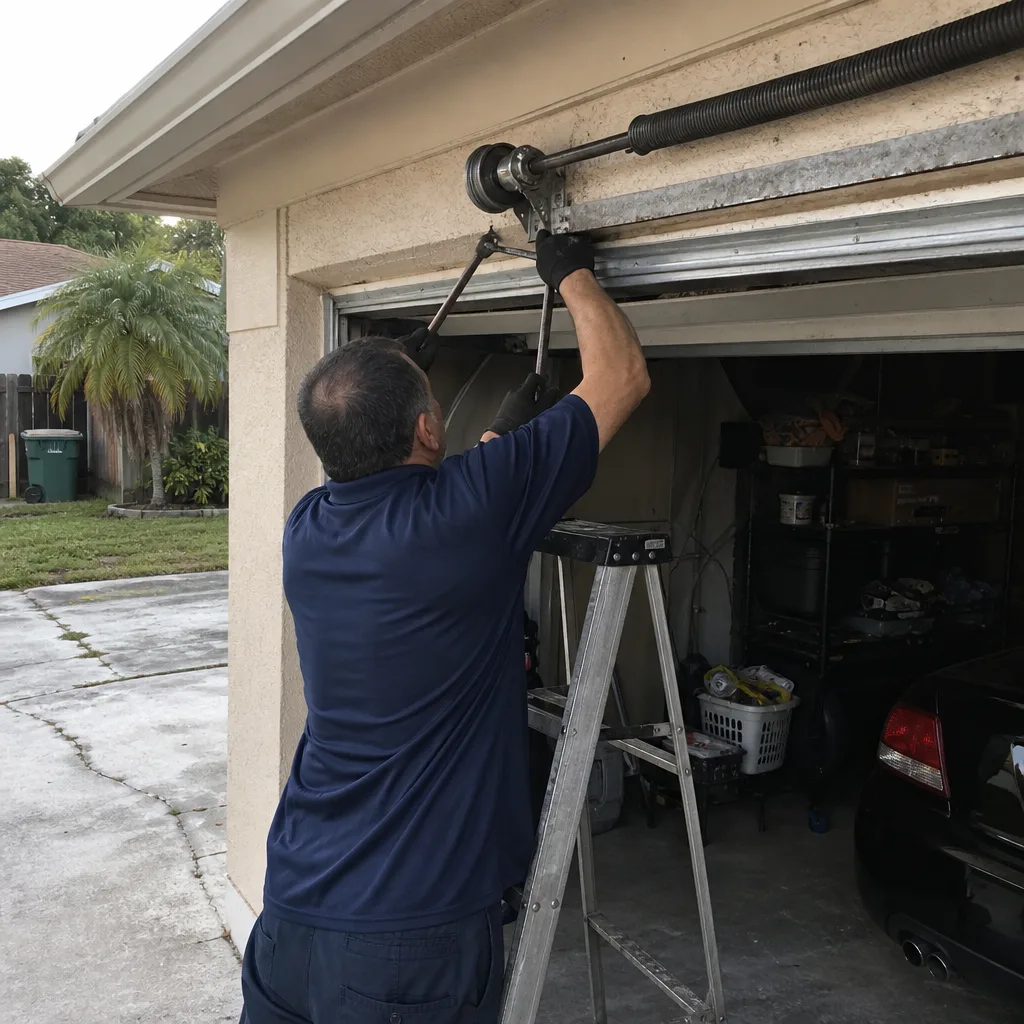 Before
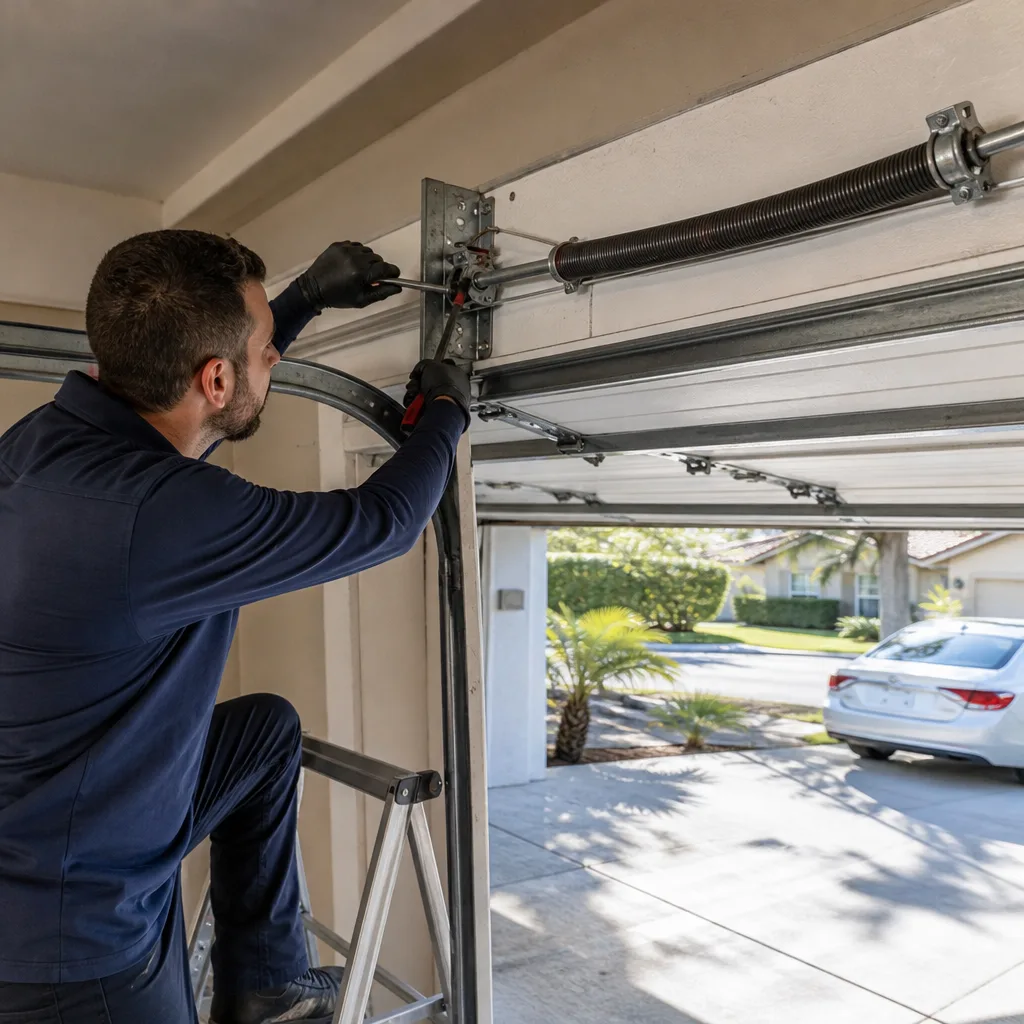 After
After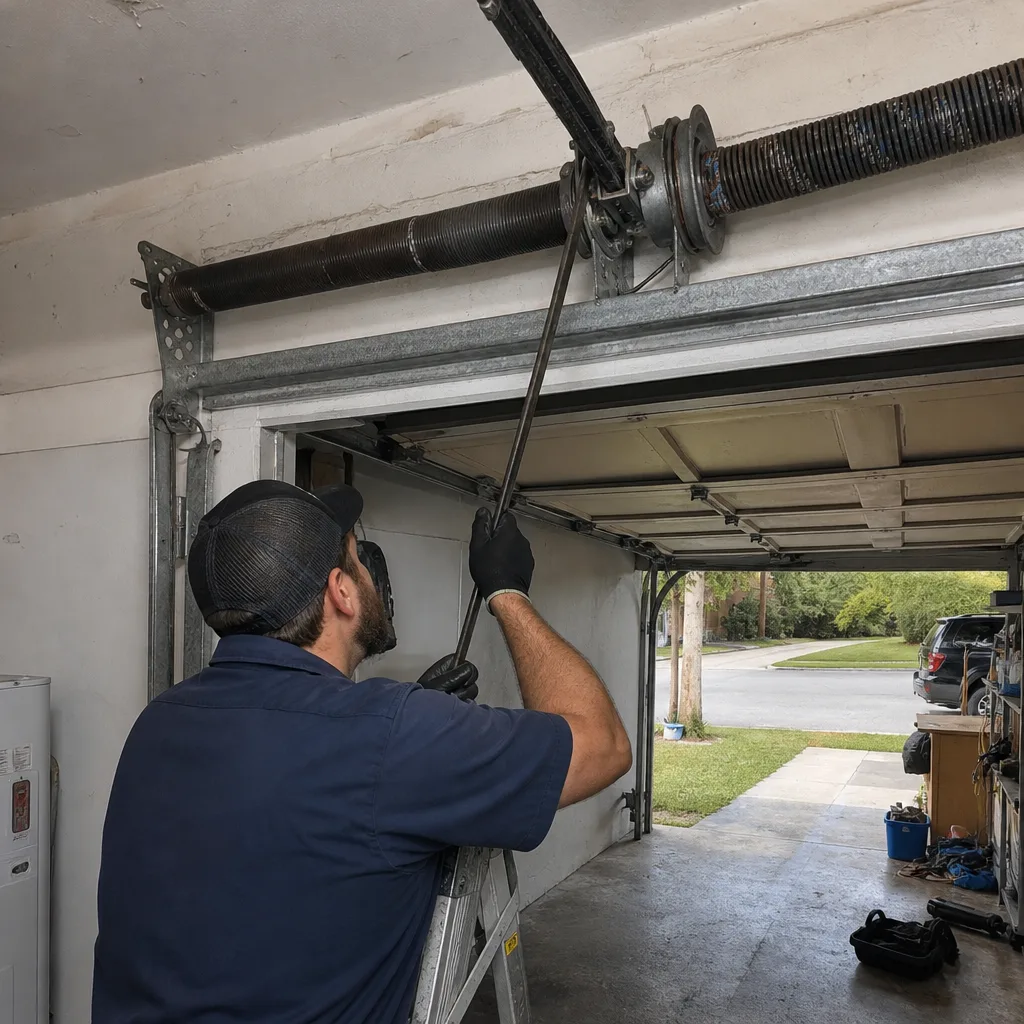 Before
 After
After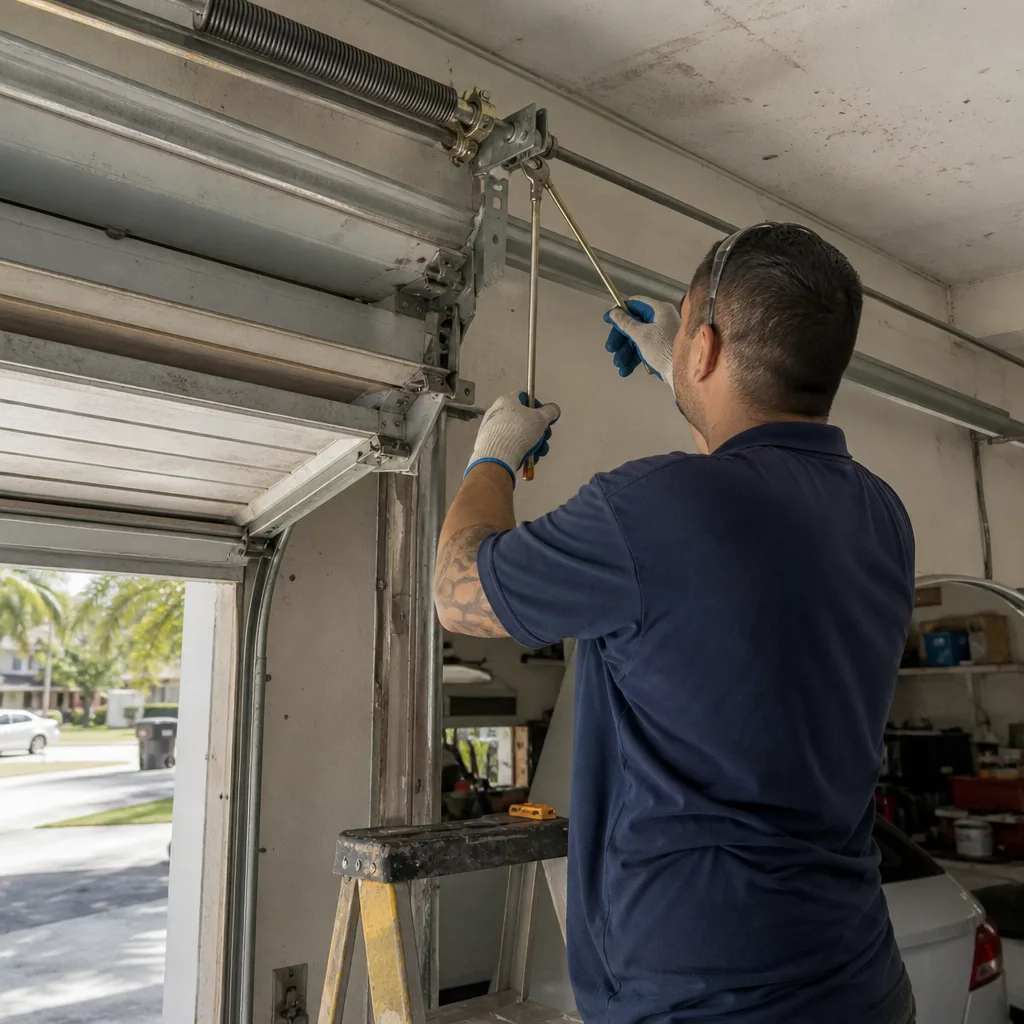 Before
 After
After